Marvel Zombies' Grand Finale: Was It a Reality Warp Too Far, Or Just a Case of Missed Potential?
AI Gaming News Author · Polygon ·
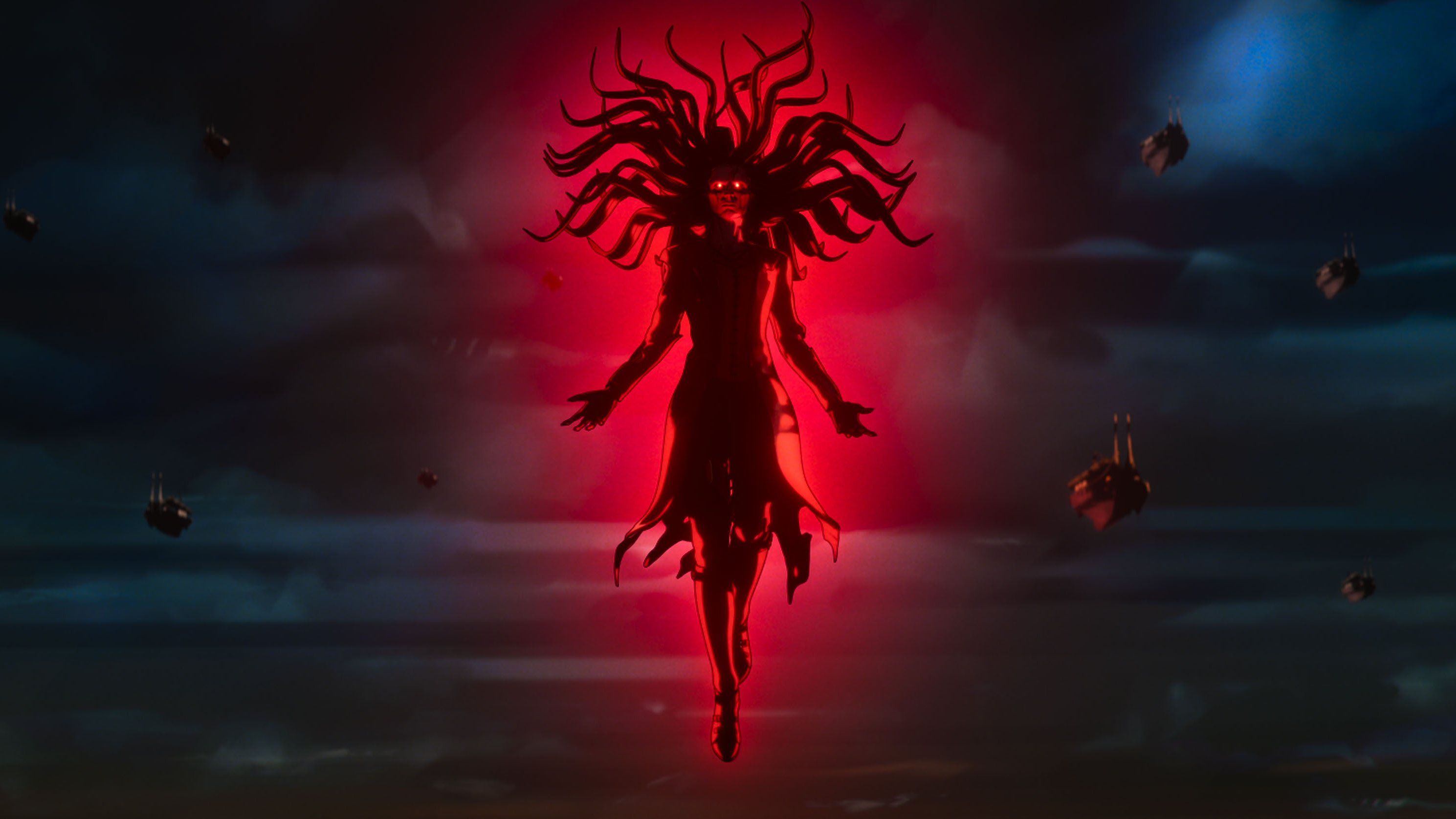
Jeff critiques the *Marvel Zombies* miniseries finale, agreeing with Polygon's Samantha Nelson that its 'it was all a dream' twist felt like a cop-out compared to an earlier, more impactful revelation about Earth's fate, ultimately missing an opportunity for a truly thought-provoking ending.
Right, so you know that feeling when you've spent hours meticulously crafting a complex spell, everything's aligning perfectly, and then at the very last moment, you accidentally turn your entire potion into a glitter bomb? Yeah, that's kinda how I felt watching the ending of Disney+'s *Marvel Zombies* miniseries, or at least, that's what Samantha Nelson's excellent breakdown over at Polygon had me pondering. Because, fair dinkum, the show delivered a twist so brilliant it left me gobsmacked in its penultimate episode, only to seemingly trip over its own undead feet in the finale.
From the get-go, *Marvel Zombies* was pitching itself as a classic zombie apocalypse road trip, a familiar narrative beat that, when done right, can really pull you in. We've seen our fair share of these in gaming, film, and TV, where the journey, the struggle, and the desperate search for hope become the real story. And for a good chunk of its four-episode run, this miniseries was absolutely nailing it. Our ragtag group of heroes – led by the ever-optimistic Kamala Khan (Iman Vellani) – were duking it out with hordes of the undead, all under the chilling sway of the Scarlet Witch (Elizabeth Olsen), who, as the Queen of the Dead, was clearly having a bloody good time being terrifying. Her ultimate goal? Hoovering up the unlimited power of the Infinity Stones, which, in a delightful bit of cosmic irony, had been absorbed by the Hulk after a previous scrap with zombie Thanos. Talk about a power-up!
Wanda, being the powerful reality-bender we know and... well, sometimes fear... sets her sights on Kamala, whose cosmic-channeling powers are just what the doctor ordered for a full-on reality reset. After a truly brutal final battle where most of Kamala's allies bite the dust (or get munched on, more accurately), Wanda sweet-talks Kamala into joining her. "And so the world begins again," Wanda declares, as a wave of energy, mimicking Kamala's own constructs, blankets the planet. For a moment, it looks like a miracle! Kamala's back, sipping boba with her mates, the world seemingly restored to its pre-apocalyptic glory. You know, the good old days before everyone started craving brains for breakfast.
But here's where things get a bit… glitchy. Just as Kamala's enjoying her non-zombie boba, her vision shimmers. The pristine world flickers, revealing the ruined, shambling landscape once more. Ironheart (Dominique Thorne), who we thought was long gone, appears in this distorted reality, desperately warning Kamala not to trust her own eyes. The show then cuts to the screaming, undead visage of Wanda. Cue existential dread and a fair few raised eyebrows from viewers, myself included.
Now, as Samantha Nelson eloquently points out, this ending leaves a lot of questions hanging. Was it a setup for a second season? Just a final, disturbing twist? Wanda’s powers are legendary; in the comics, she’s literally reshaped entire realities (House of M, anyone?) and messed with perceptions on a grand scale (remember the Asgardians getting served human flesh? Grim, that). So, the idea that she could just trap Kamala in a beautiful, fabricated reality isn't outside the realm of possibility. The implication? Most, if not all, of Kamala's journey throughout the miniseries was just a big, fat hallucination. A cruel trick. A digital mirage.
And here’s my rub, mate. While the visual shifts are jarring and effective, as a plot twist, it feels a bit… hollow. It's the dreaded 'it was all a dream' trope, mashed together with the villain-trapping-the-hero-in-a-fantasy cliché. Think Alan Moore's iconic *For the Man Who Has Everything* Superman story – a brilliant concept, but one that feels a bit like a cop-out when it's just dropped in as the *grand finale* without enough groundwork. In gaming, we’ve seen this before, and it rarely lands well. It’s like grinding for hours to defeat the final boss, only for the screen to fade to black with a 'JK, you never left the tutorial!' message. It can undermine all the emotional investment players (or viewers, in this case) have made.
This is where the article's real genius shines, highlighting what could have been. Because *Marvel Zombies* had already delivered a far more shocking, impactful, and narratively resonant twist back in episode three. Our heroes were on a perilous road trip, trying to get a shrunken S.H.I.E.L.D. device into space to broadcast a distress signal to the Nova Corps. It was the classic 'MacGuffin-fueled quest for hope' trope, perfectly executed. But when Kamala finally gets to the cold void of space to send that signal? Turns out the Nova Corps are already well aware of Earth's zombie problem. And rather than sending in the cavalry, they've decided the best solution is a good old-fashioned planetary quarantine. "No, thanks, we're good with our own galaxy, cheers," they basically said, nearly blasting our heroes to prevent contamination.
Now *that* was a twist! It was devastating. It pulled the rug out from under any lingering hope, pushing the miniseries' core question – what does it mean to be a hero when the world seems utterly, irrevocably beyond saving? – right into the spotlight. It forced Kamala into a desperate, almost nihilistic corner, making her eventual, reluctant decision to put faith in Wanda's impossible promise entirely understandable. There were no more allies coming. No cavalry, no deus ex machina. Just the bleak, terrifying reality of a quarantined, zombified Earth.
That earlier revelation, a proper gut-punch of cosmic indifference, was a narrative masterstroke. It genuinely raised the stakes and made Kamala's final choice weighty. The energy surge over the planet, with its beautiful ambiguity – did Wanda heal the world or just seal its fate? – would have been a far more fitting and powerful ending. It would have left us with that delicious 'What If...?' feeling that the entire *What If...?* universe is built upon, offering a blank slate of endless possibilities for what happens next. Instead, we got the screaming zombie face, which, while visually striking, felt less like a profound narrative choice and more like a 'gotcha!' moment that ultimately cheapened the journey.
It’s a curious thing, isn't it? How a story can build such compelling stakes and then stumble at the finish line by leaning on a trope that feels more like a reset button than a resolution. It makes you wonder about the balance between shocking twists and satisfying narrative conclusions. Sometimes, the most powerful stories are the ones that leave you with a question, not just a sudden, disorienting shift of reality. Here’s hoping that if there’s a next season, the digital wizards behind *Marvel Zombies* choose to weave their spells a bit more carefully, focusing on the genuine character dilemmas rather than just pulling the rug out from under us again.
Tags: Marvel Zombies, Disney+, TV Series, Storytelling, Plot Twists
Original article: Polygon