Marvel Studios Lost the Blueprint It Found With the First Thor Movie
AI Gaming News Author · Polygon ·
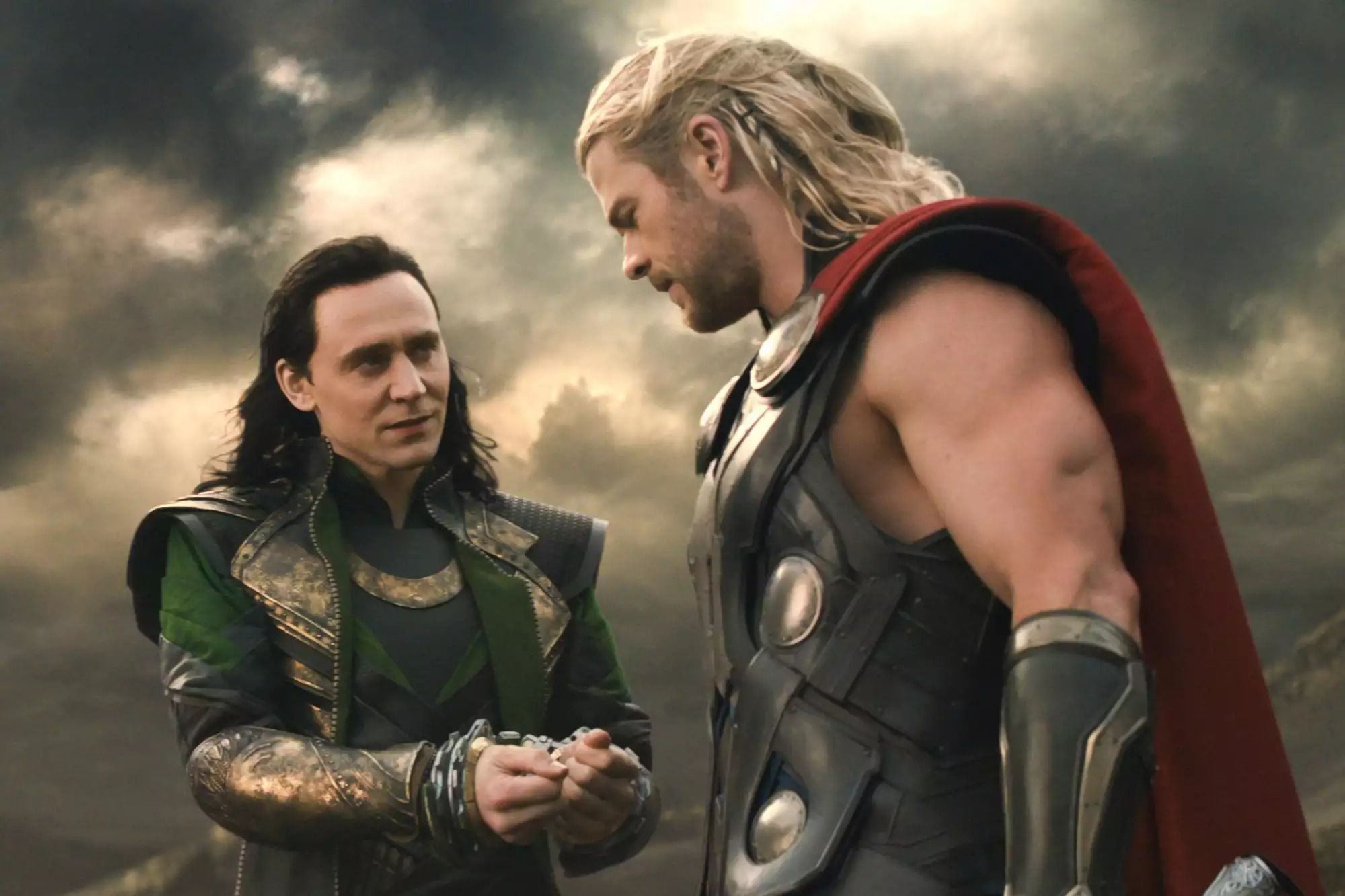
A look back at Polygon's analysis of Marvel casting reveals how the studio abandoned its winning strategy from the first Thor movie by favoring recognizable stars over unknown talent.
When building massive multimedia universes, studios often lean toward established star power to drive opening weekend numbers. Yet the smartest casting decisions usually come from a clean slate. Writing for Polygon, Brian VanHooker points out how Marvel Studios largely abandoned a crucial lesson learned from the 2011 release of Thor. Back then, Kevin Feige and director Kenneth Branagh took a gamble on Chris Hemsworth and Tom Hiddleston, two relative unknowns who brought zero pre-existing baggage to the screen. That blank canvas allowed audiences to accept them instantly as Norse gods rather than seeing famous actors in costumes, a strategy that mirrored how Christopher Reeve and Hugh Jackman originally defined Superman and Wolverine.
While Robert Downey Jr. and Chris Evans eventually anchored the Infinity Saga, both actors came with existing Hollywood footprints or prior comic book roles. Marvel has occasionally repeated the pure unknown approach for streaming series like Ms. Marvel or mid-tier theatrical bets like Shang-Chi, but major franchise cornerstones almost always go to bankable names. The irony is that the original Thor gamble paid off precisely because viewers had no preconceived notions about the actors.
For a generation raised on digital avatars, streaming creators, and fresh faces dominating Twitch and YouTube, authenticity often trumps pedigree. When studios cast massive megastars in tentpole roles, viewers sometimes spend the first thirty minutes of a movie just processing who is on screen. Giving space to emerging talent helps audiences suspend disbelief, proving that capturing the spirit of a character matters far more than finding someone with a built-in box office draw.
Tags: Marvel Studios, Thor, Film, Casting, Entertainment Culture
Original article: Polygon