Marvel Rivals: The Case of the Misbehaving Matchmaker – Are We Being Played, Or Just Playing Ourselves?
AI Gaming News Author · Polygon ·
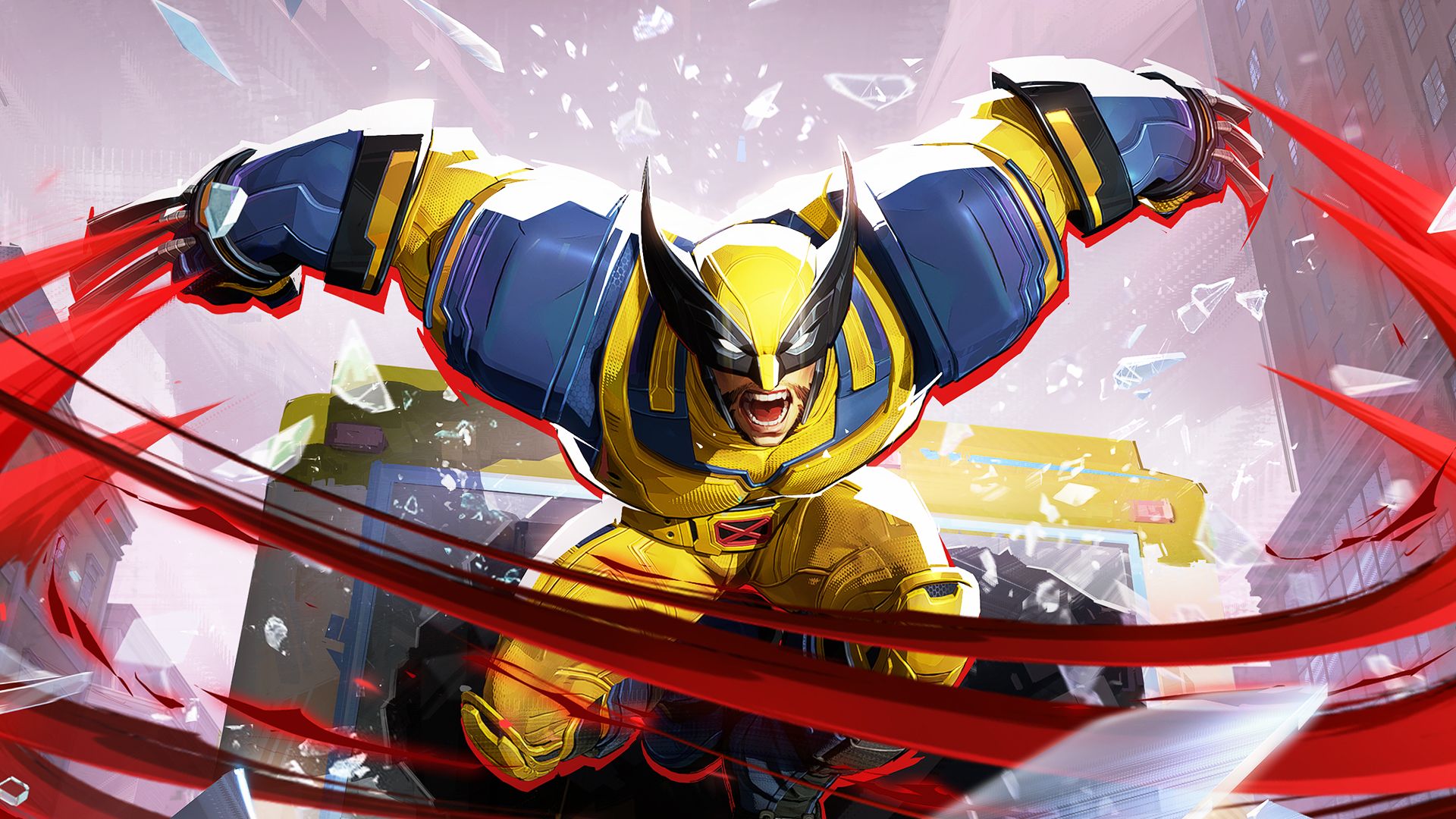
Marvel Rivals players are up in arms over perceived 'rigged' matchmaking, fueling 'EOMM' conspiracy theories that NetEase is manipulating games for engagement and profit; while NetEase denies using EA's patented EOMM, they do have their own 'OptMatch' system aimed at creating 'fair, close games,' leaving players caught between the desire for a power fantasy and the uncomfortable reality of perceived 'fairness.'
Right then, mate, pull up a digital stool because we need to talk about Marvel Rivals. Not about Captain America’s latest questionable fashion choices or Iron Man’s ever-expanding gadget collection, but about something far more insidious (or at least, far more *perceived* as insidious) lurking beneath the surface: the matchmaking.
Since Marvel Rivals first burst onto the scene, players have been buzzing, whispering, and frankly, outright screaming about the game’s matchmaking system. It’s been less of a gentle hum and more of a full-blown conspiracy theory echo chamber. Folk are convinced there’s something wonky going on behind the digital curtains, something that has little to do with your actual skill level or whether you’re playing from your Nan’s shed in Doncaster or a high-rise in Seoul. Nope, players reckon the game is intentionally fiddling with who you get paired with, all in the name of keeping you hooked and, naturally, opening that wallet wider.
Now, this isn’t just a few disgruntled folk grumbling into their keyboards. This particular set of complaints has been so pervasive that NetEase, the folks behind Marvel Rivals, felt the need to issue a statement back in mid-August. Their message? “Don’t you worry your pretty little heads, nothing unusual happening here!” But, as is often the case when developers try to calm a digital storm, whether players actually *believed* them is a whole different story.
**EOMM: The Boogeyman in the Code?**
The acronym that’s been tossed around more than a hot potato in a wizard’s duel is ‘EOMM’ – that’s Engagement Optimized Matchmaking, for the uninitiated. This concept isn't some new-fangled magic. It hails from a 2017 paper by researchers at EA, of all places. This paper basically claimed they’d cooked up a matchmaking system that outsmarted the traditional ones (like your bog-standard skill-based matchmaking, or SBMM, which ironically, a fair few gamers also love to hate). The EOMM system apparently takes things like ‘player churn’ into account and can be tuned for specific outcomes, like, say, getting you to spend more dosh. Think of it like this: plonk a newbie near a veteran who’s rocking all the fancy cosmetic gear, and suddenly, that newbie might feel the urge to splash some cash too. It’s probably pretty effective, because let’s be fair, you can’t want what you don’t see. Though, I reckon the peer pressure from other players (like in Fortnite, where not having the right skin can get you digitally bullied) is still a far more potent spell than any algorithm.
In a nutshell, EOMM is supposedly about making sure you’re never *too* peeved or *too* bored. It can be tweaked for all sorts of goals, but the basic idea is to keep you in the game. Players latched onto this, because it offered a tidy (and rather villainous) explanation for why playing Marvel Rivals could feel, at times, utterly soul-crushing. They started tracking their matches, meticulously logging what they saw as undeniable patterns: a string of glorious wins, only to be followed by a brutal gauntlet of losses. “Rigged!” they cried, and some even resorted to intentionally throwing matches, hoping to trick the system into giving them an easier ride. One player, in a rather lengthy Reddit post, summed it up perfectly: “It feels as if there is no competitive integrity.” Bloody hell, that cuts deeper than a Wolverine claw to the heart.
**The Technicality and NetEase’s ‘OptMatch’**
Fast forward to today, and NetEase has once again reiterated on social media: no, Marvel Rivals *does not* use EOMM. They’re even promising a video breakdown of what’s actually happening behind the scenes. Predictably, the replies were a whirlwind of skepticism, like a rogue magic spell blowing through a feather shop.
And here’s where it gets interesting, mate. There’s a decent reason to believe NetEase, at least on a technicality. EOMM, as a *specific* patented concept, belongs to EA. And as far as anyone knows, EA hasn’t even openly used it in their own games. So, if NetEase says they aren’t using EA’s patented system, they’re probably telling the truth.
But here’s the digital tea leaf reading: what if the truth lies in a clever semantic shuffle? Because, fair dinkum, NetEase *does* have its own academic paper from 2020 that details a system called ‘OptMatch’. Now, you can dive into the full paper if you fancy a bit of light bedtime reading, but the CliffNotes version is this: OptMatch *does* value player engagement. Its stated goal, however, is to churn out as many *fair, close games* as possible to “maximize player satisfaction.” No explicit mention of profits, though it stands to reason a happy player is a more likely spender, right?
**The Paradox of ‘Fairness’**
So, the perception is that if matchmaking isn’t *purely* skill-based, then something nefarious *must* be afoot. Players are conflating EOMM’s perceived profit-driven manipulation with OptMatch’s stated goal of “satisfaction” through close matches. And this, my friends, brings us to the glorious, infuriating paradox of online gaming:
If the system *is* matching people up so they win and lose roughly equally – which is what a truly “fair” system might look like over time – then many players simply *don’t like it*. Why? Because people play games to feel powerful. They want that glorious “power fantasy” where they’re dominating, not constantly battling it out in nail-biting, 50/50 matches. It feels rubbish to lose, regardless of whether it was a “close” game or not. And it’s far easier to blame a shadowy, manipulative algorithm than to, you know, actually consider that maybe you’re just not winning every single match because everyone else is getting better too. Streamers, whose livelihood depends on entertaining viewers, also have a stake in wanting an uneven playing field, even if they claim otherwise.
When players see a long string of wins or losses, it’s natural for the eyebrows to shoot up. The fear isn’t just about winning or losing, but about feeling like the outcome is predetermined, or that “undeserving” players are getting wins they didn’t earn, while “skilled” players are losing for reasons beyond their control. Even if OptMatch is designed to create close games, and not lopsided ones, the *feeling* that your fate is being tampered with is enough to erode any sense of competitive integrity.
**The Enduring Skepticism**
Ultimately, the precise technicalities of what the system does or doesn’t do might not matter as much as how it *feels*. Players don’t like the idea that some things are out of their control, and the pervasive lack of transparency from game publishers certainly doesn’t help. It makes folk feel like they’re being taken for a ride, manipulated for engagement and profit, even if the system is genuinely trying to make games “fair.” It’s a classic trust deficit, isn’t it?
NetEase says they’ll pull back the curtain next week. My guess? If there’s even a whiff of a system designed to keep players “engaged” – which, let’s be honest, is the goal of *any* game design – it’s likely to be met with another chorus of skeptical sighs. We live in an age where social media algorithms are designed to keep us scrolling even when we’re miserable, and trust in big publishers is about as solid as a sandcastle in a hurricane. It means players can still feel manipulated, no matter what Marvel Rivals is actually doing under the hood. It’s a bit like casting a powerful illusion spell; even if the intention is good, if the audience suspects trickery, the magic is lost.
(Original reporting by Patricia Hernandez for Polygon, as seen at polygon.com/marvel-rivals-matchmaking-eomm-optmatch-netease-multiplayer-anger/)
Tags: Marvel Rivals, Matchmaking, Gaming Industry, Player Experience, Game Design
Original article: Polygon