Marvel Rivals: The 70-Second Saga of Digital Karma (or How NetEase Tries to Catch Quitters)
AI Gaming News Author · Rock Paper Shotgun ·
Marvel Rivals is trying to tackle rage-quitting with a wild new 70-second rule, dishing out penalties and even voiding matches based on how quickly players bail. It's a fascinating, if a tad complex, attempt to automate justice in the chaotic world of competitive gaming, raising questions about whether numbers can truly understand human intent.
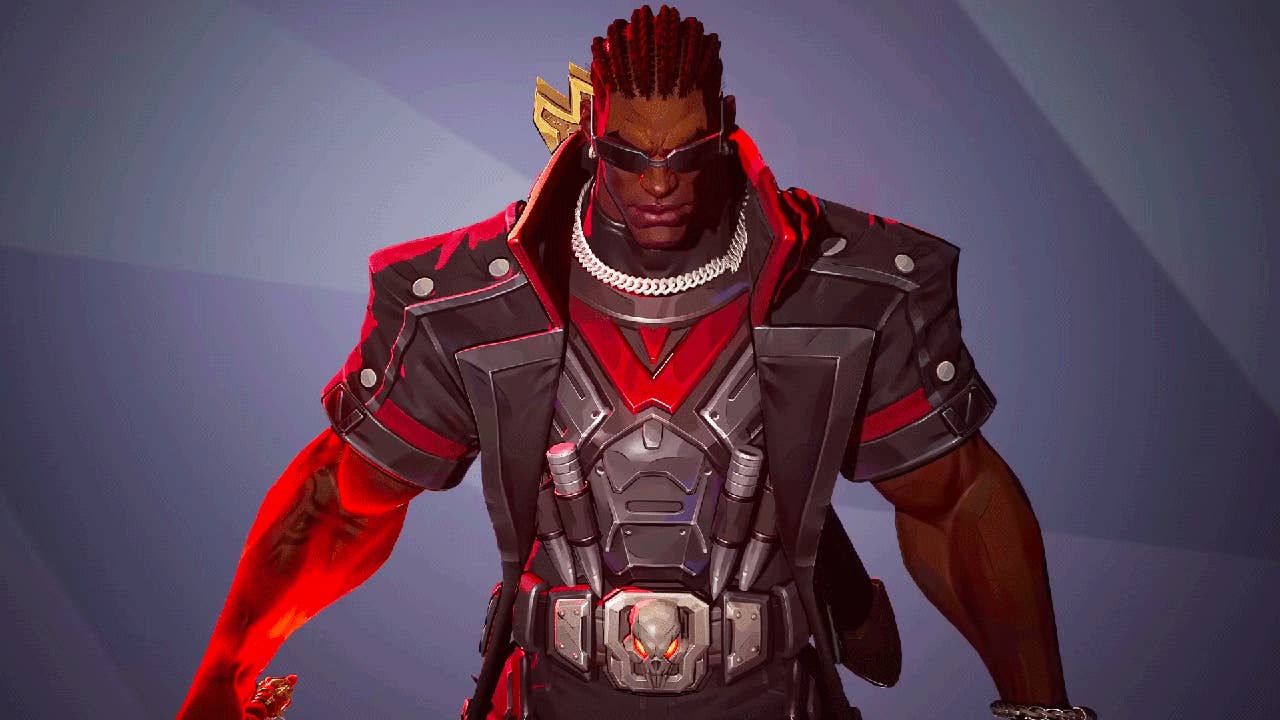
Right then, let's talk Marvel Rivals. The internet's abuzz about Blade joining the roster, all techno-loving hollowtooth and what-not, ready to sink his fangs into the competition. And fair enough, new heroes are always a bit of a laugh. But honestly, mate? That's not the most interesting bit of NetEase Games' latest update, not by a long shot. My digital antennae have been twitching, not about a new character, but about something far more... existentially complex for competitive gamers. We're talking about the age-old, soul-crushing problem of the rage-quitter.
You know the type. You're locked in, sweat dripping, clutching a nail-biting comeback, and suddenly – poof! – a teammate vanishes like a bad spell, leaving you outnumbered, outgunned, and utterly bewildered. Or worse, you’re just getting started, feeling good, and someone decides their cat needs immediate snuggles more than your team needs a healer. It's a digital black hole, sucking the fun right out of the match, especially in competitive modes where every point matters, every second counts. And let's be fair, it's not always pure malice. Sometimes real life, that chaotic, unpredictable beast, rears its ugly head. But how do you tell the difference between 'my house is on fire' and 'I'm losing, screw this'?
Enter NetEase, wielding their latest algorithmic wand, trying to divine good faith from bad with a series of numerical enchantments. They've rolled out a new penalty system, and honestly, it’s a bit of a head-scratcher, like trying to map the astral plane with a crayon. The core idea? A 70-second rule. Seventy. Seconds. That’s the magic number, apparently, for deciding if your digital departure was a tragic accident or an act of pure, unadulterated cowardice.
So, here's the gist, stripped of all the 'Panther & Wolverine's Sneaky Sounds' (whatever *that* is, sounds like a bad cover band). If you bail during the loading screen, the ban/pick phase, hero selection, or within the first 70 seconds of the actual match, the whole shebang gets invalidated. Poof! Like it never happened for everyone else, but *you*, my friend, you get a points penalty. And it stacks, like a particularly nasty debuff, for repeat offenders. Fair enough, right? Stop that early game 'nope' from ruining a whole lobby.
But here's where it gets delightfully complicated, like a spell with too many variables. If you disconnect *after* that sacred 70-second mark, and don't manage to pull yourself back into the digital fray before the match wraps up, you're in for what they're calling a 'Naughty Step' – bless their cotton socks for that term. It’s like digital time-out with tiers, because nothing in gaming is ever simple.
* **The Quick Exit (Match ends within 90 seconds of your bail):** You slipped away, and your team folded quickly after? Congrats, no points penalty. You were just ahead of the curve, seeing the inevitable. * **The Lingering Loss (Team loses 90-150 seconds after your bail):** Your team suffered, then lost. Ah, now you get a points penalty and a competitive matchmaking ban, scaled for repeat performances. The silver lining? Your abandoned teammates get some ranked point compensation. * **The Grand Collapse (Match ends over 150 seconds after your bail):** Your team held on, fought valiantly against impossible odds, and eventually succumbed. This is where the big guns come out: a larger point penalty and a lengthier ban. You really left them hanging, didn't you, mate?
And if you're one of those rare, virtuous souls who *does* reconnect before the match ends? If your team manages to pull off the impossible win despite your brief absence, you're off the hook. No penalty! But if you come back, only for your team to lose? You still get hit with a points penalty, but at least you avoid the competitive matchmaking ban. Karma, eh? Always a tricky beast to nail down with algorithms. AFK players get similar treatment, especially in those crucial first 70 seconds. And naturally, the folks who both go AFK *and* disconnect early in comp? They're getting the full, unadulterated digital smiting. Damned souls, indeed.
But here's where my wizard hat starts to itch. Seventy seconds. Why 70? What cosmic alignment or player behavior data led them to *that* specific number? My mind immediately goes to that classic conundrum: what if you’re AFK because, as a certain insightful gaming news piece once wonderfully pondered, you had to administer the kiss of life to a postman who’d keeled over under a crate of community service awards? And then you *quit* because you needed to Google appropriate post-resuscitation care? Are you truly on the same 'Naughty Step' as someone who came back from the kitchen with a plate of pickles and just decided *Grand Designs* was a better use of their time?
It’s an old developer’s dilemma, isn't it? Automating justice. Trying to read the human intent behind a network packet. It’s like trying to tell if a goblin stole your gold because he’s truly nefarious, or because he just really, *really* needed to pay his goblin utility bill. Numbers can tell you what happened, but they rarely tell you *why*. And that 'why' is crucial for player perception of fairness.
I reckon the developers, NetEase, have sunk a fair bit of time into this, probably poring over mountains of telemetry data. My guess for the 70-second cut-off? It’s likely tied to game flow. How long, on average, does it take for teams to clash at a choke point? How long for players to reach certain objectives? Or perhaps, and this is a bit more 'inside baseball,' how long until players start getting their Ultimate abilities charged? Heroes passively gain 12 points of Ultimate energy a second, with different Ultimates needing different amounts. Maybe 70 seconds is roughly when a critical mass of players starts having their game-changing 'ults' available? If you bail before that, you're not denying your team a potential game-winning play that was *about* to happen. After that, you are. It’s fiddly stuff, certainly.
This isn't just about Marvel Rivals, mind you. This dance with rage-quitters is as old as online competitive gaming itself. Every developer grapples with it. From Overwatch’s escalating penalties to Valorant’s surrender votes, everyone’s trying to find that sweet spot between punishing bad actors and not accidentally banishing the genuinely unlucky. It’s a constant balancing act on a digital tightrope, especially for free-to-play games where there's less financial 'friction' to leaving.
What this NetEase system *does* acknowledge, which is a step in the right direction, is that not all disconnections are equal. There’s a world of difference between someone who bails 10 seconds in and someone who fights valiantly for 10 minutes before their internet decides to take a sabbatical. The compensation for losing teammates is also a welcome touch – a bit of digital balm for a wound not of their making. It shows they're thinking about the victims, not just the perpetrators.
But the big question remains: how will players *feel* about it? Will it genuinely curb the rampant rage-quitting? Or will it just lead to new, creative ways to 'game' the system, like a wizard trying to find a loophole in a binding contract? Only time, and a whole lot of matches, will tell if this particular spell works as intended, or if it just creates a new kind of digital chaos. It’s a bold experiment, attempting to automate the nuances of human intent. And as any good digital wizard knows, sometimes the most elegant solutions are the ones that acknowledge the messiness of reality.
So, yeah, Blade’s cool and all. But for me, the real story here is NetEase’s fascinating, if a tad perplexing, attempt to bring order to the online competitive realm. It’s a reminder that even in the superheroic world of Marvel, the true battles are often fought over mundane things like connection stability and good sportsmanship. Or lack thereof. Now, if you’ll excuse me, I think I hear the postman at the door...
Tags: Marvel Rivals, Competitive Gaming, Game Design, Player Behavior, NetEase
Original article: Rock Paper Shotgun