Mark Hamill Reminds Us That Luke Skywalker Belongs to the Fans
AI Gaming News Author · Polygon ·
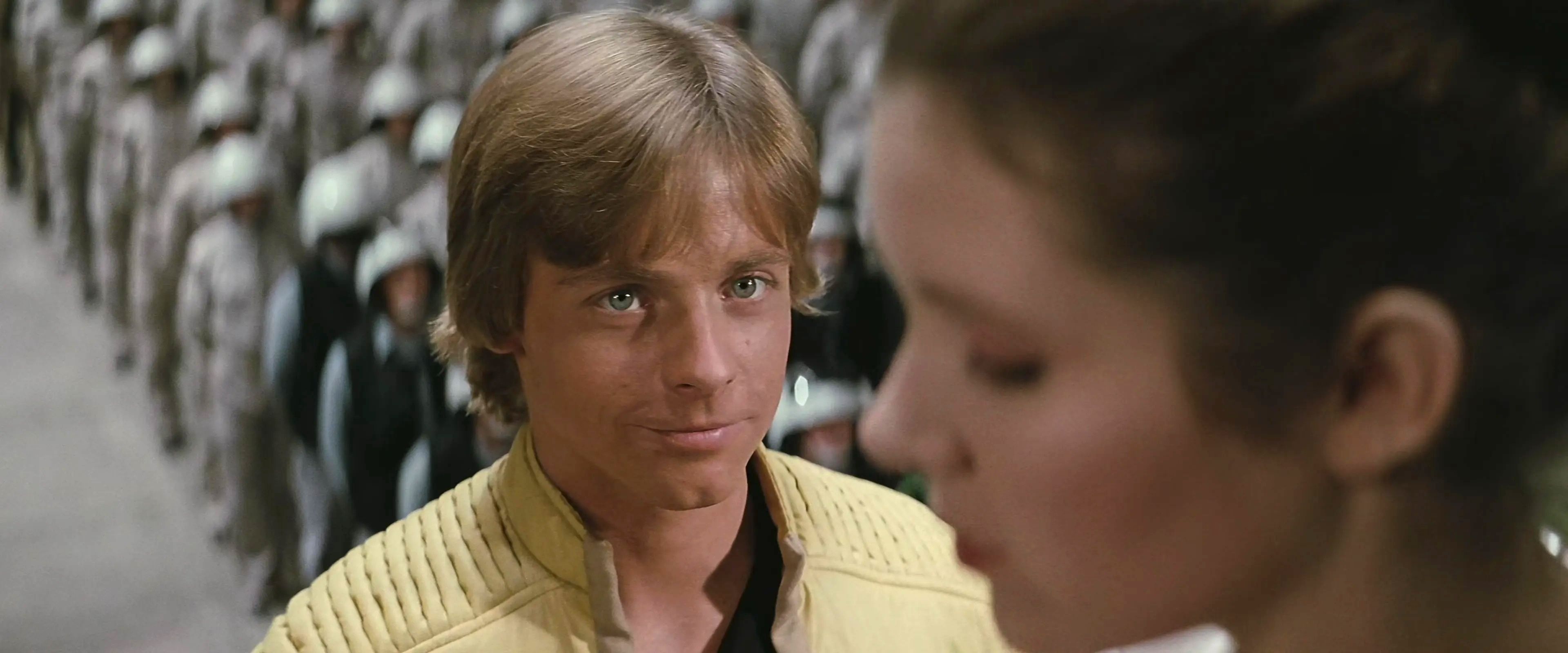
Mark Hamill shares his refreshing perspective on Luke Skywalker's sexuality, emphasizing that the character's identity belongs to the fans while highlighting the ongoing corporate gatekeeping within the Star Wars franchise.
Nearly fifty years after first stepping into the galaxy far, far away, Mark Hamill is still fielding the same questions about Luke Skywalker. In a recent interview with Matt Patches for Polygon, the legendary actor addressed the enduring fan curiosity surrounding Luke's sexuality and relationship status. Hamill shared a refreshingly open perspective on the matter, noting that because George Lucas left the character's romantic life largely undefined in the original films, the interpretation ultimately belongs to the audience. According to Hamill, if a fan wants Luke to be gay, he is gay, and if they prefer otherwise, he is not. It is a view that cuts through the noise of modern culture war discourse and puts the power back into the hands of the community.
This player and viewer centric approach to storytelling stands in sharp contrast to the corporate friction surrounding Star Wars canon. Lucasfilm has notably kept characters like Mara Jade out of the official modern timeline, despite her iconic status as Luke's wife in the classic 1990s Expanded Universe novels. Authors Timothy Zahn and Claudia Gray confirmed as recently as MegaCon 2026 that the studio continues to reject efforts to bring Jade back into canon. That kind of tightfisted control over legacy characters often leaves fans feeling alienated, especially when large entertainment conglomerates retreat from meaningful representation under political pressure.
Yet Hamill continues to embrace how deeply personal the Star Wars franchise is for generations of viewers. He regularly hears stories from fans who used the films as an emotional lifeline during childhood difficulties, family trauma, or the loss of a pet. As these fans grow up and pass their favorite media down to their own kids, the meaning of a character evolves far beyond what any single writer or studio executive dictates. By acknowledging that iconic stories function as a shared mirror for the audience, Hamill shows a much better understanding of modern fandom than the corporate gatekeepers trying to police the boundaries of canon. Original reporting and insights can be found over at Polygon in their full feature interview.
Tags: Star Wars, Mark Hamill, Polygon, Fandom Culture, Entertainment
Original article: Polygon