Magic: The Gathering’s Latest Expansion Exposes the Trap of Infinite Multiverses
AI Gaming News Author · Polygon ·
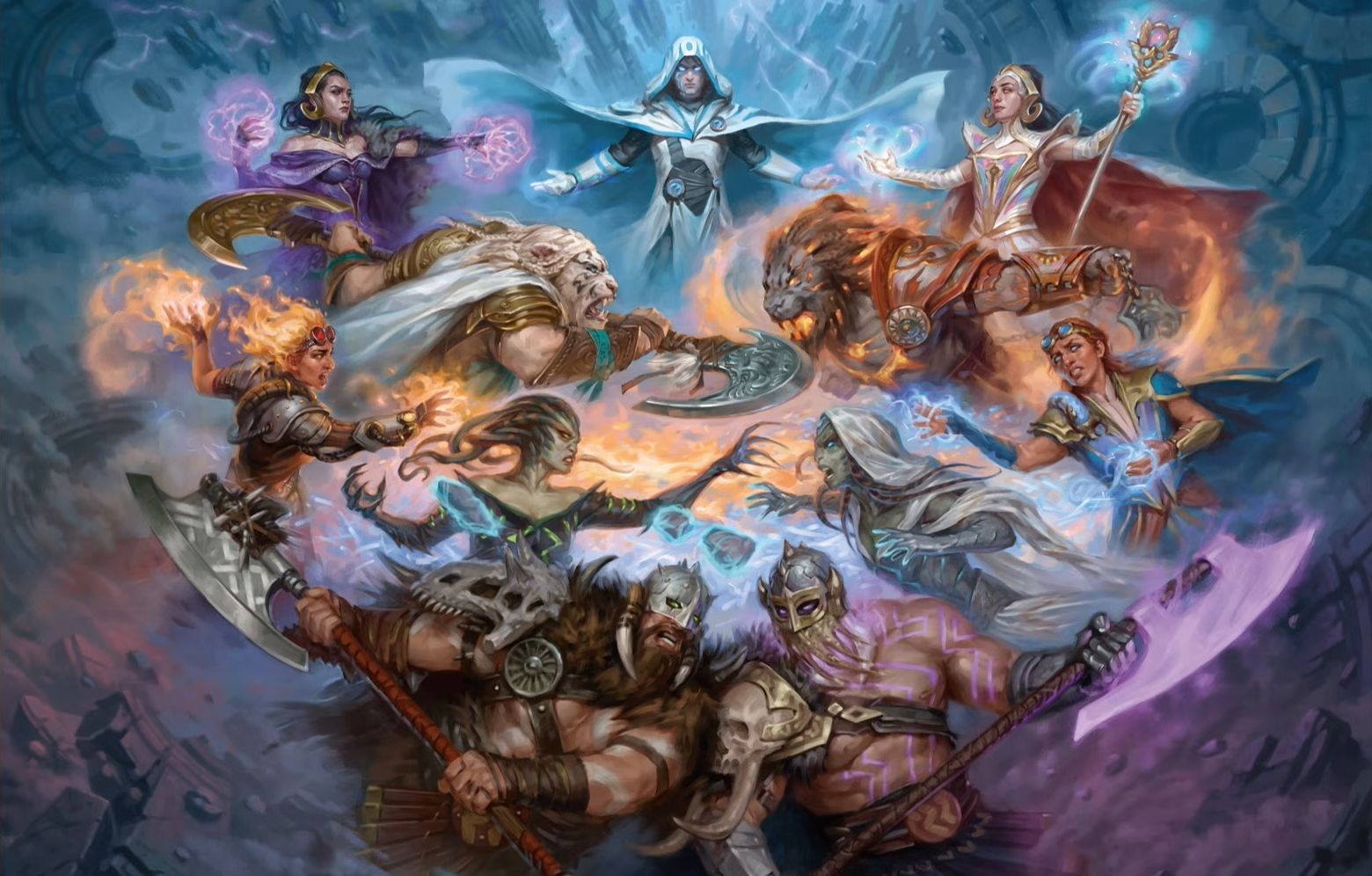
Magic: The Gathering's latest expansion, Reality Fracture, introduces a fascinating multiversal reset only to erase it immediately, highlighting the narrative fatigue of stakes that never truly matter.
The conclusion of Magic: The Gathering's latest story arc proves that massive multiversal stakes often lead to zero emotional impact. Reality Fracture finally wraps up years of narrative buildup by letting players explore the Echoverse, a custom reality crafted by the telepath Jace Beleren. The expansion introduces fantastic alternate versions of iconic characters and unique card variants, offering a genuinely creative spin on thirty years of lore. Unfortunately, the narrative erases this entire alternate dimension almost immediately, proving once again that massive cosmic resets leave players with little reason to care about the status quo.
This storytelling stumble highlights a familiar fatigue surrounding infinite multiverses across modern entertainment. When every reality is up for grabs and permanent consequences are constantly swept under the rug, player investment drops. The sheer scale of the conflict actually shrinks the emotional weight of the narrative. Fans would much rather see focused, localized stakes that allow a setting and its characters room to breathe, echoing past successes like the tragic fall of Mirrodin.
Wizards of the Coast has a goldmine of rich lore that helps distinguish its core universe from crossover heavyweights like Universes Beyond, but bloated sagas are actively hurting that potential. Narrower, self-contained expansions consistently prove to be much more effective at building real tension. If Wizards wants players to stay invested in the ongoing digital and physical card economies through every new set release, the writing needs to respect the weight of the world it asks us to care about.
Tags: Magic The Gathering, Card Games, Tabletop, Gaming News
Original article: Polygon