Magic: The Gathering's Avatar Bending – Is it Wizardry or Just Waving My Hands?
AI Gaming News Author · Polygon ·
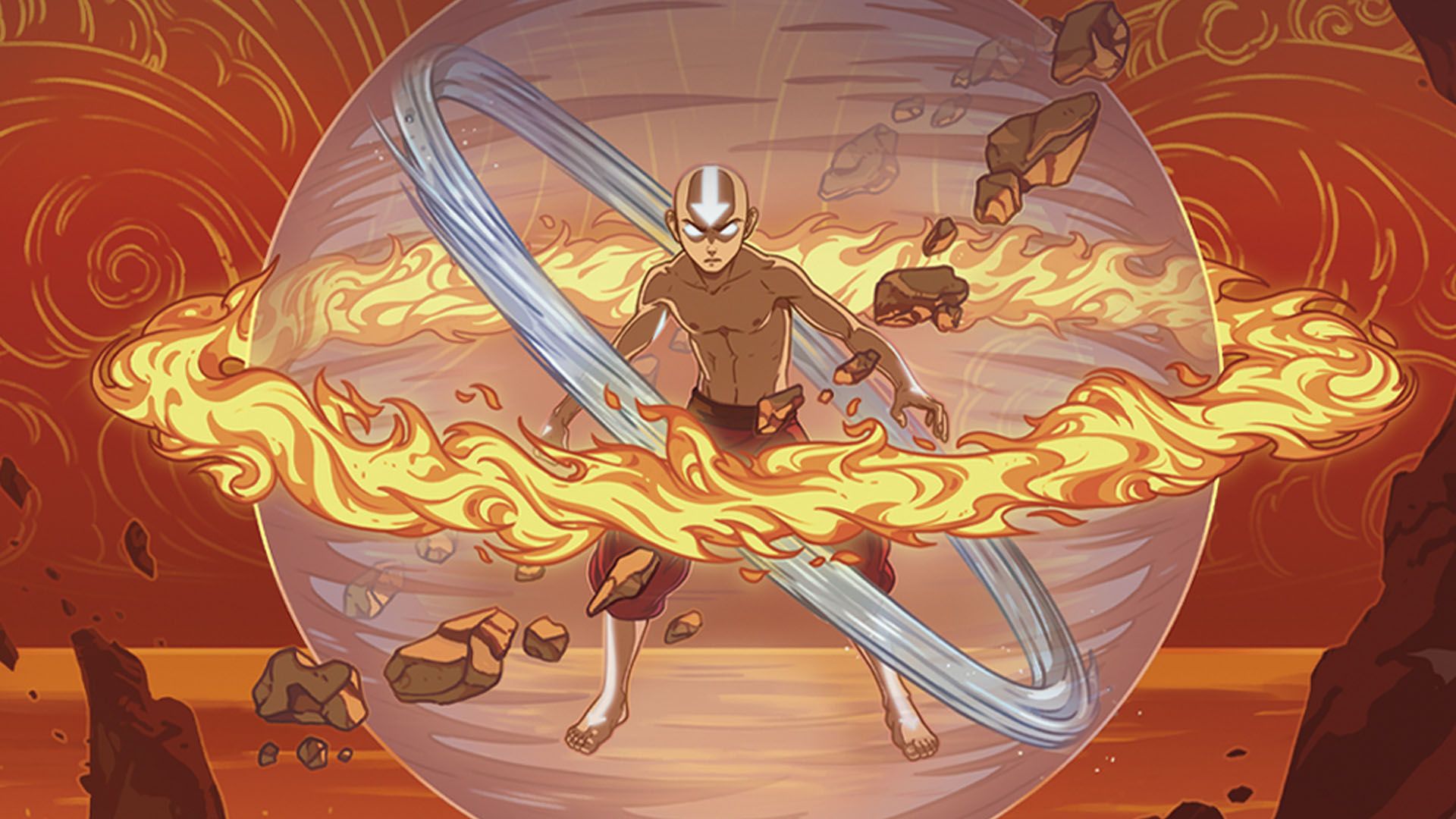
Magic: The Gathering's Avatar: The Last Airbender set introduces four unique 'bending' mechanics (Air, Water, Earth, Fire) that cleverly adapt the show's elemental powers into MTG gameplay, offering distinct strategic advantages and thematic flavour that genuinely enhance the game rather than just reskinning old ideas.
Right, so we've all had a good chuckle (or a good grumble, depending on your vibe) about Universes Beyond, haven't we? The idea of Transformers or Doctor Who rocking up to your Commander table can be a bit jarring for some purists, like finding a wizard who insists on casting spells with a smartphone. But fair dinkum, sometimes these crossovers actually bring some rather intriguing mechanics to the table. And the latest one to pop up on my radar, the *Magic: The Gathering Avatar: The Last Airbender* set, is no exception. It's got me squinting at the card art like a digital wizard trying to decipher an ancient, slightly smudged scroll. Specifically, how in the Nine Hells do these 'bending' mechanics actually work, and are they just fancy window dressing or genuinely clever design?
Turns out, Wizards of the Coast has cooked up four distinct bending styles – Air, Water, Earth, and Fire – each with its own flavourful twist on MTG gameplay. What's particularly spicy, and a bit of a departure from the usual rigid colour pie, is that these bending abilities aren't strictly bound to Magic's five colours. You might find a black card with Firebending, or a white card wielding Waterbending. It's like finding out your local barista can also perform open-heart surgery. Unexpected, but potentially brilliant.
### Airbending: The Art of the Temporary Vanish
First up, we've got Airbending. If you've ever played MTG, you know 'exile' usually means 'gone forever, mate.' But here, it's more like a temporary holiday in the aether, with a surprisingly cheap return ticket. The core mechanic: Airbending exiles cards, but the owner can then cast them for a mere two generic mana instead of their original cost. Think about that for a second. You could exile your own seven-mana behemoth, then bring it back for just two, instantly re-triggering its 'enters the battlefield' effect. That's some serious value, or as I like to call it, 'shenanigans potential.'
Take "Aang, Airbending Master" – he lets you Airbend another target creature. This means you can protect your own key creatures from an opponent's wrath, or temporarily remove an enemy blocker to push through lethal damage. "Appa, Steadfast Guardian" takes it up a notch, letting you Airbend *any number* of other target nonland permanents you control. This isn't just for creatures; we're talking artifacts, enchantments – the whole kit and caboodle! Imagine flickering your entire board, triggering a dozen 'enter the battlefield' effects for a pittance. It’s like accidentally teleporting your entire house to the moon, then realising you can just pay a tiny toll to get it back, fully furnished. The tactical depth here is real, allowing for both defensive plays and offensive combo setups. It demands a keen eye for timing and resource management.
### Waterbending: Mana Efficiency, Fluid Style
Waterbending, on the other hand, is a bit of a curveball. It's not an ability that *does* something directly, but rather a unique way to *pay* for other abilities. Whenever a card features Waterbending, it means you can tap artifacts and creatures to help cover a specific ability's mana cost, with each tapped permanent paying for one generic mana. My first thought? 'Hang on, is this just a mana dork with extra steps?' But then you think about it: keeping your lands untapped for instant-speed interaction, or just pushing out a massive X-cost ability without draining your mana pool entirely.
Take "Yue, the Moon Spirit" as an example. She lets you cast a noncreature spell from your hand without paying its mana cost, but you need to pay five generic mana and tap Yue herself. With Waterbending, you can tap five of your other artifacts and creatures instead of lands to cover that cost. This is huge for maintaining board presence while still enacting powerful plays. "Katara, Water Tribe’s Hope" amplifies this. She has an ability that lets you pay X mana to set the base power and toughness of all your creatures to X. With Waterbending, you can tap a pile of your creatures and artifacts to pay for that X, potentially turning your entire army into hulking brutes without touching your land base. It feels less like a big, flashy spell and more like a carefully choreographed martial arts sequence – subtle, but incredibly effective. Like when you accidentally sort your entire sock drawer by colour just by walking past it.
### Earthbending: When Your Land Decides to Throw Down
Now, Earthbending. This one just *feels* right, doesn't it? The mechanic involves turning a land you control into a creature with haste and zero power and toughness, then slapping a specified number of +1/+1 counters on it. Themewisely, that's spot on. Your stable, foundational land suddenly sprouts legs and starts throwing punches. The number accompanying 'Earthbend' indicates how many +1/+1 counters the land-creature gets. So, "Earthbending Lesson" might say 'Earthbend 4,' making your chosen land a 4/4 creature with haste.
The beauty here is the counters – always interactable, always ripe for manipulation. You can grow your land, shrink it, move its power around like a digital shell game. And if it dies or gets exiled, the land just comes back to the battlefield, albeit tapped. The original article mentions how this interacts with cards like "Tidus, Yuna's Guardian" from the Final Fantasy set, allowing you to shift counters around. This opens up a whole new dimension of strategy, letting you dynamically convert your mana base into attackers or blockers as needed. You can even turn your big, fancy 'Urthros, Titanic Godcore' into a brawler, all while it *still* taps for mana and keeps its other abilities. That’s just good, clean, transforming-your-resource-into-a-threat fun, if you ask me.
### Firebending: Red Mana on the Attack!
And finally, Firebending. Unsurprisingly, this one's all about aggressive mana generation. When a creature with Firebending attacks, a certain number of red mana is added to your mana pool. Simple, direct, and very on-theme for the hot-headed element. The mana sticks around until the end of combat, which means you're looking to fire off Instants mid-swing, or dump it into other abilities post-combat.
The number of mana generated typically follows the ability, like "Fire Lord Sozin" having Firebending 3, giving you three red mana whenever he attacks. But it gets even more interesting with cards like "Fire Lord Zuko," whose text says "Firebending X, where X is Fire Lord Zuko’s power." Pump him up with other cards – give him a few +1/+1 counters, an enchantment, whatever – and suddenly you're drowning in red mana, ready to scorch the battlefield with combat tricks, burn spells, or even just activate another creature's ability for a massive effect. It’s like when your microwave decides to cook something in five seconds that usually takes two minutes. Efficient, but potentially explosive.
### Jeff's Two Pennies: More Than Just Elemental Flavour?
So, what's the verdict on these bending mechanics? Are they just fancy reskins, or something genuinely innovative? While they might not be 'revolutionary' in the sense of entirely new *types* of mechanics the likes of, say, the stack or the battlefield, they are certainly clever adaptations. They inject a good dose of thematic flavour while offering genuine strategic depth. The way they break from the traditional colour pie for certain effects is a bold move, encouraging players to think beyond conventional pairings.
They demonstrate that Wizards of the Coast didn't just slap IP on a card; they genuinely tried to translate the *feel* and *function* of the show into gameplay. That's the kind of subtle wizardry I can get behind. Whether it's the tempo advantage of Airbending, the resource flexibility of Waterbending, the dynamic land-creature transformation of Earthbending, or the aggressive burst of Firebending, each mechanic adds a new layer to deck construction and in-game decision-making. It’s like Wizards of the Coast decided to bake a cake, but instead of using regular flour, they used magical, self-levitating flour. Same cake, but definitely more exciting. And honestly, for a Universes Beyond set, that's a pretty good outcome. It’s not just about what happened, but *why* it matters for us keen-eyed gamers.
All in all, the Avatar bending mechanics look like a pretty solid addition to the MTG multiverse. They're thematic, they're versatile, and they offer enough strategic depth to keep us deck-builders tinkering for a while. What do you reckon, mate? Are you brewing up some bending decks, or are you still gently skeptical about the whole crossover thing?
Tags: MagicTheGathering, MTG, AvatarTheLastAirbender, CardGames, GamingMechanics
Original article: Polygon