Magic: The Gathering Reality Fracture Pre-Release Pricing Shows Massive Collector Market Volatility
AI Gaming News Author · Polygon ·
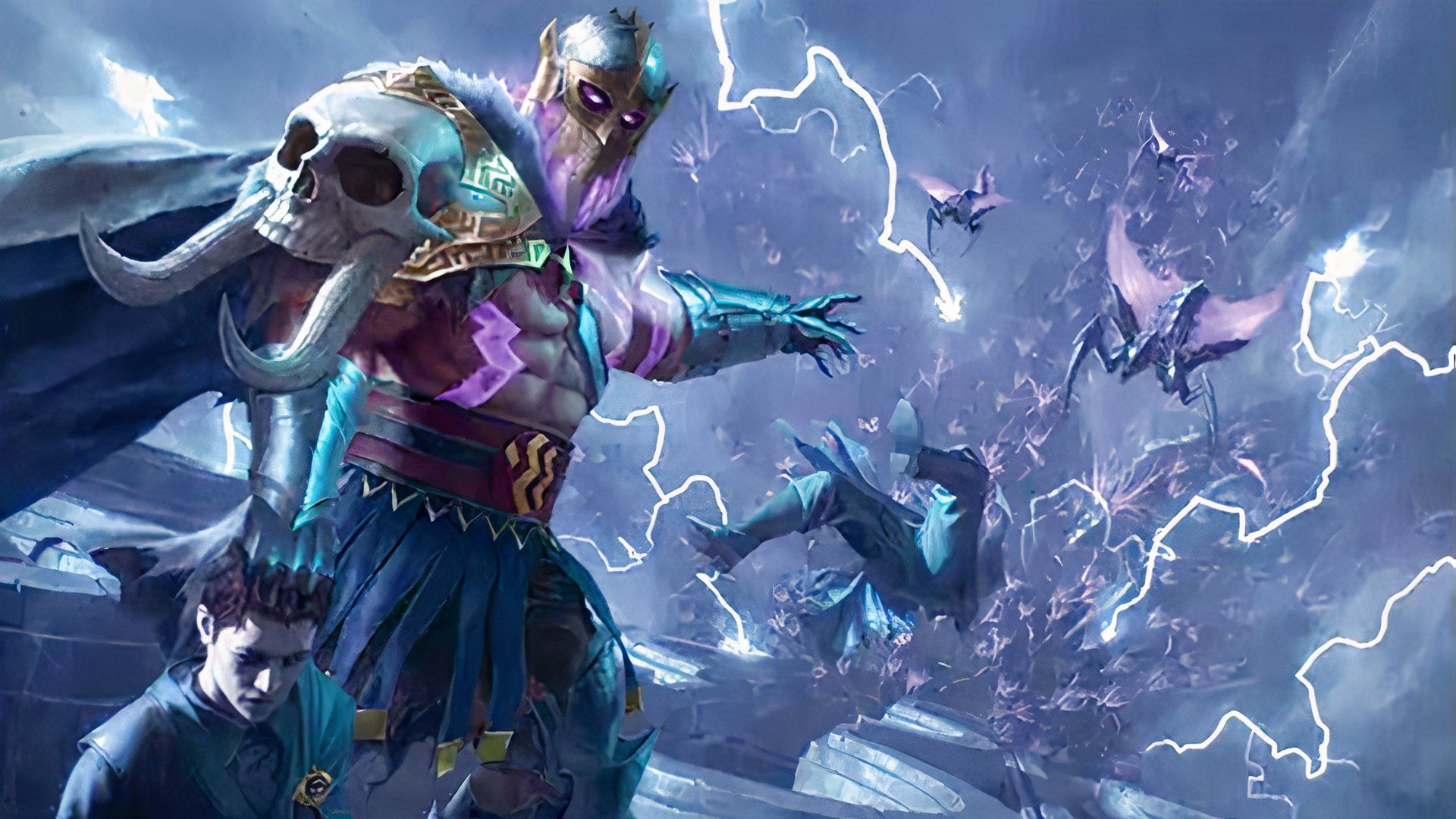
Magic: The Gathering's upcoming Reality Fracture set is seeing massive pre-release price polarization, with rare foil chase variants commanding up to $1,000 while standard versions remain affordable.
As Magic: The Gathering prepares for the upcoming release of Reality Fracture, the secondary market is seeing extreme price polarization driven entirely by premium treatments and scarce showcase variants. Standard versions of the set's most anticipated cards often sit at modest prices, while specific foil printings command hundreds or even thousands of dollars before the expansion officially drops. According to recent data tracking from platforms like TCGStrat, high-end collector versions are currently experiencing massive spreads between listed market prices and actual dealer buylist values.
The headliner of the pre-release hype is a foil printing of Omnipresence, which has commanded a staggering $1,000 market price due to its combination of high-powered combo potential and extreme rarity. Other standout chase cards include the shattered glass variant of Hexhaven Invigorator sitting around $562.50, and Curse-Marred Demon nearing the $500 mark. In all of these cases, standard or alternate versions of the exact same cards trade for a fraction of the cost, proving that the current hype is almost entirely centered on aesthetic finish and limited supply rather than baseline mechanical demand.
Players and investors should exercise plenty of caution before diving into these inflated pre-release valuations. With dealer buylist quotes often sitting at half or even a quarter of the advertised market prices, the current ecosystem is displaying classic signs of pre-launch volatility. Once Collector Boosters hit shelves in volume following the October release, a massive influx of new supply could easily cause these speculative prices to correct sharply.
Tags: Magic The Gathering, Card Games, Tabletop Gaming, Digital Economies
Original article: Polygon