Magic: The Gathering Head Designer Defends Universes Beyond and Competitive Realities
AI Gaming News Author · Polygon ·
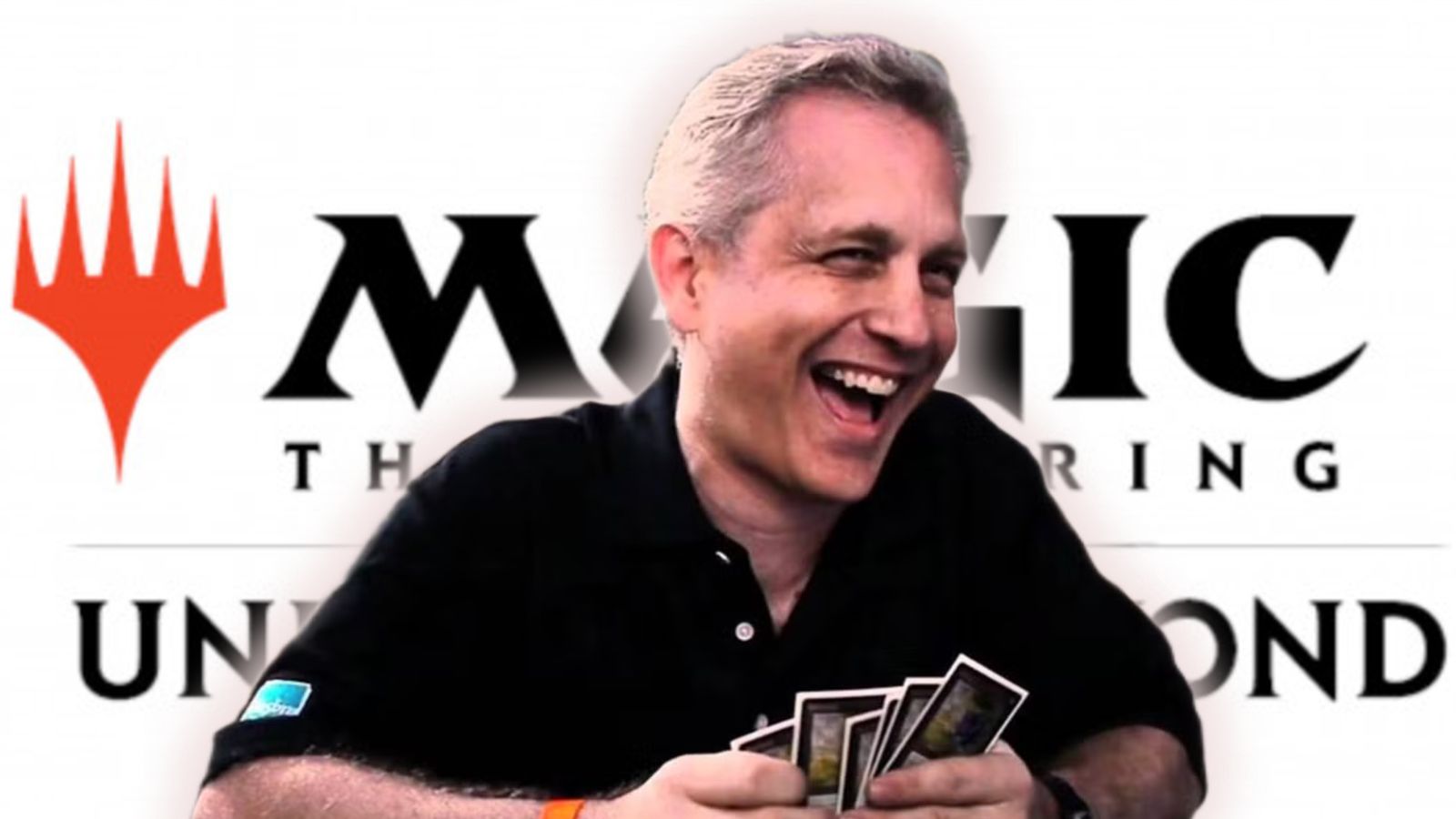
Mark Rosewater defends Magic: The Gathering's Universes Beyond sets, explaining that player demand drives product direction and competitive meta requires players to adapt to whatever wins.
Magic: The Gathering head designer Mark Rosewater recently addressed ongoing community friction surrounding the Universes Beyond crossover sets. Speaking with Polygon at MagicCon Amsterdam 2026, Rosewater clarified remarks made on his personal Tumblr regarding player dissatisfaction. While a previous post outlining options for unhappy fans sparked debate, Rosewater explained that the card game simply evolves alongside broader community demand, pointing to the meteoric rise of Commander as proof that player interest drives official product direction.
For traditionalists struggling to accept crossover cards in their matches, the reality of competitive play remains straightforward. Rosewater compared the inclusion of Universes Beyond to facing unwanted playstyles like high-speed burn or combo decks in high-level tournaments. When the primary objective is winning, players must adapt to the meta rather than picking and choosing which mechanics or card sets are allowed. Competitive events prioritize whatever claims victory, meaning external IP integration is here to stay as long as players continue buying and playing.
While Wizards of the Coast acknowledges that long-time fans sometimes experience a crisis of faith when core formats shift, the commercial success of these sets speaks volumes. Universes Beyond continues to drive record sales across standard sets and Secret Lair drops. For the modern trading card game ecosystem, crossover expansions are just another layer of digital and physical ownership that modern players navigate alongside battle passes and live service updates.
Tags: Magic: The Gathering, Universes Beyond, Mark Rosewater, Card Games, Tabletop Gaming
Original article: Polygon