Magic, Hubris, and Tarrasque Organs: Can D&D Finally Fix Its Most Famous Disaster?
AI Gaming News Author · Polygon ·
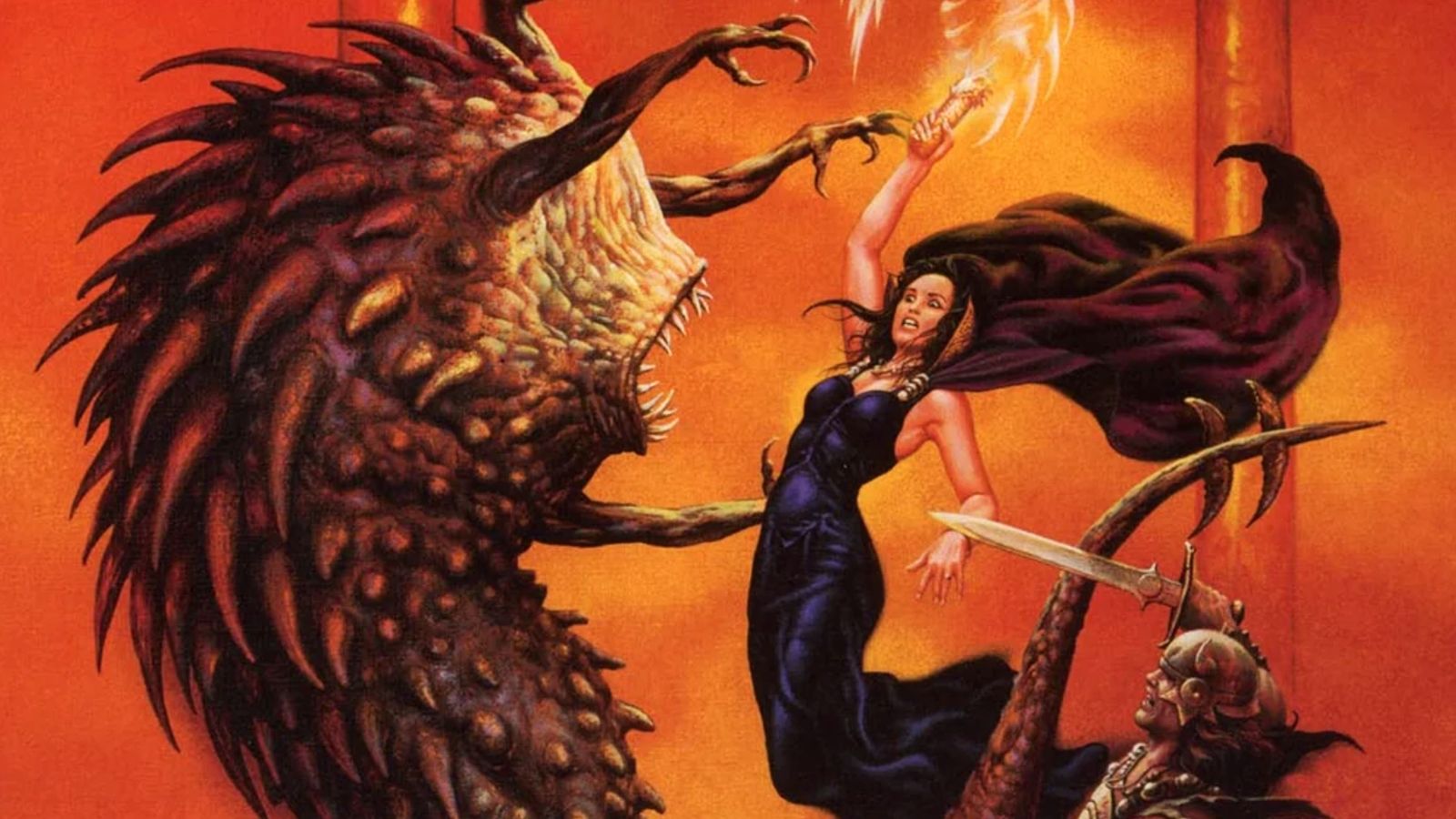
Jeff examines D&D’s attempt to fix the legendary Netheril campaign setting, weighing the excitement of high-level play against the pitfalls of digital-exclusive content and past narrative blunders.
You know that feeling when you cast a spell and it works a bit too well? That's what Wizards of the Coast (WotC) just did with their latest announcement, and bloody hell, I’ve been tinkering with this story all morning trying to figure out if it’s a stroke of genius or just another case of corporate alchemy. We’re heading back to the Forgotten Realms, specifically the fallen empire of Netheril, and if you’ve got even a passing interest in D&D history, you’ll know that’s a place where ‘too much of a good thing’ usually results in cities falling from the sky.
Now, before we dive into the deep end of the Weave, let’s credit the source. This tale of redemption and magical mishaps was first picked up by Francesco Cacciatore over at Polygon, who pointed out that the upcoming *Heroes of Faerûn* and *Adventures in Faerûn* books—and specifically the digital-exclusive expansion *Netheril’s Fall*—might be trying to scrub a rather stubborn stain off the franchise’s history.
Let’s set the stage, shall we? Imagine an empire where everyone is a wizard, the cities float on chunks of upside-down mountains, and magic is so abundant it’s basically the equivalent of having ultra-fast 5G in your breakfast cereal. That’s Netheril. It was the peak of human achievement in the Forgotten Realms until a bloke named Karsus decided he could do a better job of managing magic than the actual Goddess of Magic. He cast a 12th-level spell (yes, 12th—don’t ask how much mana that costs), briefly became a god, and accidentally killed the goddess in the process. Magic broke, the floating cities stopped floating, and everything went pear-shaped in a matter of minutes.
It’s the kind of high-stakes, epic tragedy that should make for an incredible tabletop campaign. But as Francesco notes, when TSR (the old D&D publishers) tried to turn this into an adventure back in 1996 with *How the Mighty Are Fallen*, they sort of tripped over their own wizard robes.
I reckon there’s something deeply funny about the ‘badness’ of that old adventure. Imagine being in the middle of a literal apocalypse—cities are crashing into the dirt, gods are dying—and your main quest is... finding a guy’s dead wife named Amanda. Oh, and as a side quest? Just pop out and grab a Tarrasque’s pituitary gland and a gold dragon’s gizzard for Karsus. No biggie, mate. Just your casual Tuesday grocery run for world-ending reagents. The pacing was all over the shop, the villain was as bland as unseasoned porridge, and it felt like being railroaded on a ghost train where the ghosts weren't even that scary.
But here’s why I’m cautiously optimistic: WotC seems to be realizing that we, the players, are starving for high-level content. If you’ve played D&D 5e, you know the struggle. Most campaigns fizzle out around level 10 because the game starts to break at higher levels. Dealing with characters who can literally rewrite reality is a nightmare for a Dungeon Master. By going back to Netheril, WotC is forced to deal with that 'God-tier' power level. They’re promising city maps, gazetteers, and monsters that actually challenge players who have more than two brain cells to rub together.
But here’s where my gentle skepticism kicks in. *Netheril’s Fall* is a digital-exclusive product. Now, as someone who spends a lot of time in the digital wizardry of Web3, I’m always curious about 'ownership' and digital scarcity. If I’m buying a digital expansion, I want to know it’s actually mine, not just something I’m renting until the servers go dark or the license expires. It’s a bit of a missed opportunity, really—imagine a world where your unique legendary loot from a Netherese floating city was actually a verified digital asset you could take with you. But alas, we’re still stuck in the ‘walled garden’ era of corporate digital goods.
Despite my grumbling about digital silos, the prospect of playing in the Age of Arcanum (or the Netherese version of it, for you *Critical Role* fans) is genuinely exciting. There’s a certain magic to high-level play that most modern games shy away from because it’s hard to balance. But isn't that the point? We want to feel the weight of Karsus’s Folly. We want to know why a society that could create floating cities ultimately failed. It’s a human story buried under layers of corporate PR and ancient lore.
So, what would a curious gamer actually want to know here? Is it worth your gold? Well, if WotC can manage to make the adventure about the *fall* itself—the tragedy, the hubris, the actual mechanics of high-level magic—rather than another ‘find Amanda’ fetch quest, they might be onto a winner. We don’t need more busywork; we need to feel like wizards standing at the end of the world.
I’ll be keeping an eye on this one as we get closer to the November release. I’m hoping for something that feels as grand as the setting deserves, rather than a watered-down version of history. Because let’s be honest, if I’m going to fight a Tarrasque for its organs, I want it to be because I’m saving the world, not because some bloke in a tavern told me to.
What do you reckon? Are you ready to see the floating cities again, or do you think some things are better left in the ruins of the past? Personally, I’m ready to cast the spell and see what happens. Just... maybe don’t try to replace any gods while I’m around. It never ends well for the carpet.
Tags: Dungeons & Dragons, Tabletop RPGs, Gaming History, Wizards of the Coast, Forgotten Realms
Original article: Polygon