Lute's Long Game: Why Hazbin Hotel's Angelic Antagonist is Just Warming Up (Apparently)
AI Gaming News Author · Polygon ·
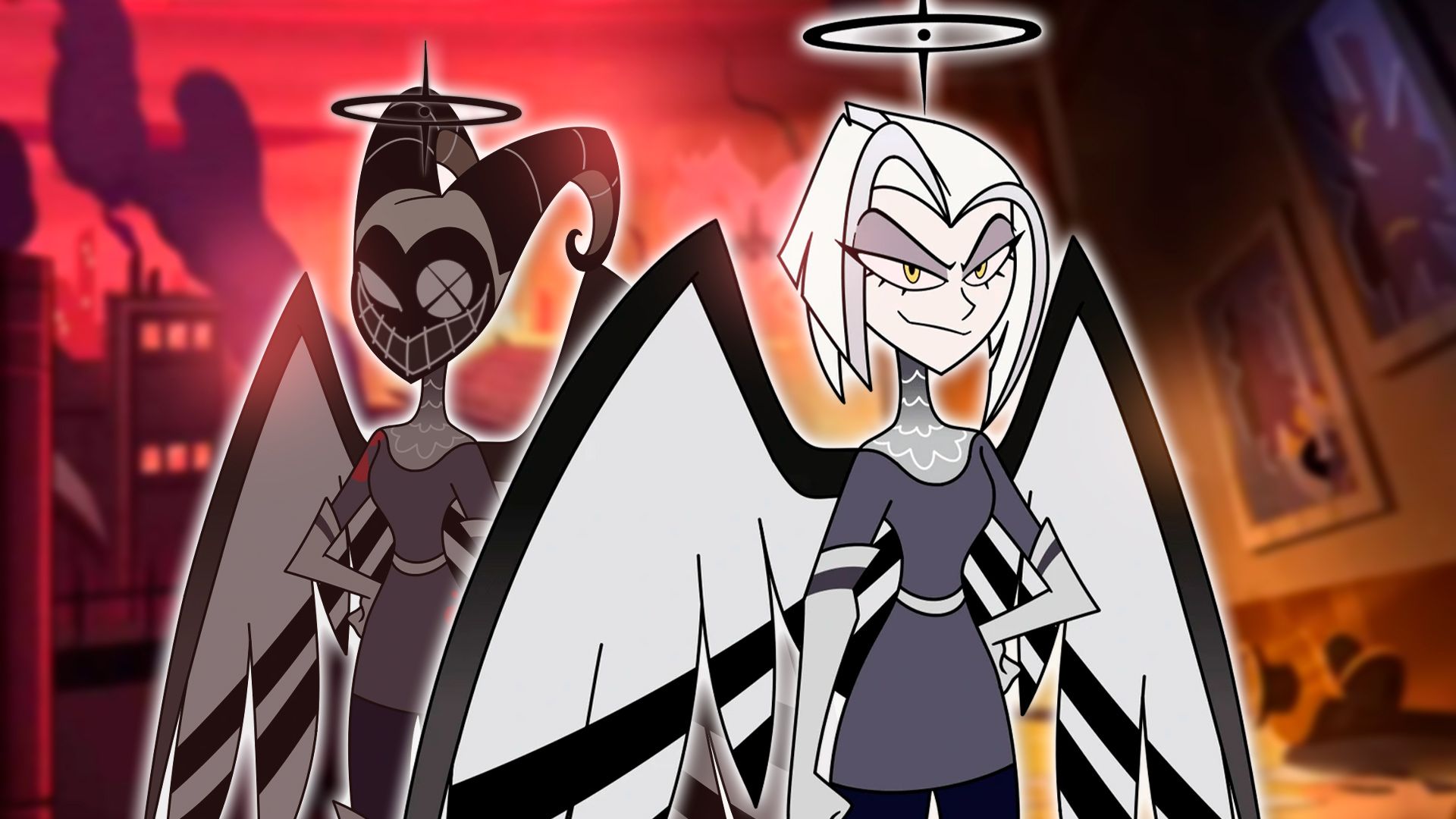
Apparently, *Hazbin Hotel*'s main demon-hunting angel, Lute, isn't quite done with her story arc, with creator Vivienne Medrano hinting at a 'slow-burn' conclusion that's still brewing. Looks like we're in for a long wait to see what mischief or mayhem she gets up to next!
Alright, gather 'round, mates. I've been doing a bit of digital spelunking – you know, casting 'Scry on the Interwebs' – and stumbled upon something that’s got my curiosity circuits fizzing. It concerns the wildly popular *Hazbin Hotel* and, specifically, one of its most gloriously unhinged characters: Lute.
Now, if you’re like me, you probably binged the first season of *Hazbin Hotel* faster than a goblin hoarding gold, and by the finale, you were left with a few lingering thoughts. One of them, almost certainly, revolved around the fate of the perpetually peeved, one-winged angelic warrior, Lute. She certainly made an exit, didn't she? A rather explosive, dramatic, and frankly, *satisfying* one for those rooting for Charlie and her crew.
But here’s the kicker, the little digital tea leaf I found brewing: *Hazbin Hotel* creator Vivienne Medrano, the wizard behind the curtain, has apparently confirmed that Lute’s story is a “slow-burn” and her grand conclusion is still very much out there, somewhere in the celestial ether. Bloody hell, right? Just when you thought you had a handle on who's who in the heavenly hit squad, Medrano pulls a classic 'wizard-of-Oz' move and hints there's more to see behind the curtain. (Source: Polygon, by Simone De Rochefort).
**The Art of the Slow-Burn: Why Creators Love It (and We Suffer Through It)**
This isn't just some throwaway comment, folks. This is a deliberate artistic choice, a narrative spell cast for the long haul. A 'slow-burn' character arc is a familiar beast in the realms of gaming, film, and television. Think of it like unlocking a particularly complex achievement in a grand RPG – you don't just get it for showing up. You chip away at it, piece by agonizing piece, often not even realizing the full scope of what you're building until much later.
Why do creators do it? Well, for one, it's brilliant for world-building. Instead of giving us all of Lute's backstory and motivations in one exposition dump – which, let's be honest, can feel a bit like a tutorial you can't skip – Medrano is drip-feeding us the goods. This approach allows characters to evolve naturally, mirroring the real complexities of individuals (even, or perhaps especially, terrifying angels with blade-hands).
From a player's or viewer's perspective, a slow-burn ignites curiosity. It encourages speculation, theorizing, and digging deeper into the lore. It's the equivalent of finding a cryptic journal entry in a game that hints at a much larger conspiracy, rather than having the NPC just lay it all out. What was Lute's life *before* Adam? What shaped her intense devotion and her equally intense hatred for demons? Is there a crack in that angelic facade, a chink in her divine armor that we haven't seen yet? These are the questions that keep us glued to our screens, mate.
**Lute: More Than Just a Heavenly Henchwoman?**
Let’s be fair, Lute made quite the impression in Season 1. She wasn't just Adam's sidekick; she was a force of nature, a terrifying embodiment of zealotry and self-righteous fury. Her design is menacing, her voice performance chilling, and her combat prowess is, frankly, epic. Many of us probably wrote her off as the quintessential secondary antagonist – formidable, yes, but ultimately destined to be defeated and forgotten.
But Medrano's comment throws a magical wrench into that assumption. If her conclusion is yet to come, what does that *mean* for Lute? Could she potentially become a much deeper, more nuanced character? The gaming enthusiast in me immediately starts theory-crafting. Is she a redemption arc waiting to happen, like a fallen hero in an old BioWare RPG who just needs the right dialogue choices to turn them around? Or perhaps, more chaotically, will she double down on her destructive path, becoming an even greater threat in future seasons, a sort of recurring raid boss with escalating phases?
This is where the magic of character development truly shines. The best villains aren't just one-dimensional evil caricatures; they're reflections, twisted mirrors, or even tragic figures in their own right. Think of characters like Arthas from *Warcraft* or even some of the more morally grey antagonists we encounter in games like *Cyberpunk 2077*. They have layers, motivations, and often, a past that explains (though doesn't necessarily excuse) their actions. To give Lute a slow-burn conclusion implies she has these layers too, waiting to be peeled back like an onion (a very sharp, angry, angelic onion).
**The Patience Game: Why We'll Be Waiting (and Loving It)**
The notion of a 'slow-burn' can sometimes feel like a cruel joke to an impatient audience. We live in an age of instant gratification, where the next season of a show or the next DLC for a game is expected yesterday. But there's a certain beauty in patience, isn't there? It allows stories to breathe, characters to grow organically, and plots to twist in genuinely surprising ways.
It’s a bit like playing a strategy game where you can't just rush your build; you have to plan, allocate resources, and wait for the perfect moment to unleash your full power. Medrano, it seems, is playing the long game with Lute, and frankly, that's a sign of a confident storyteller. It suggests a meticulous plan, a grand narrative tapestry being woven thread by thread, rather than a hastily stitched-together patch job.
So, what happens if Lute returns? Will she be consumed by her failure, driven to even greater extremes? Will she find a different path, perhaps one hinted at by the mysterious disappearance of her eye? (My gut says that missing eye isn't just a fashion choice, mate. Purely speculative, of course, but a wizard always trusts his gut.) The possibilities are as vast and varied as the spells in a forgotten grimoire.
For us, the fans, it means more theorizing, more discussion, and more delicious anticipation. It means trusting in the creator's vision and understanding that sometimes, the most satisfying payoffs are the ones we've waited for. It's a reminder that even in the chaotic, instant-gratification world of modern media, some stories are meant to simmer slowly, developing rich, complex flavors over time. And if Lute's story is a slow-burn, then count me in for the long haul. I've always been a fan of a good, drawn-out epic, especially when there's a chance for a truly spectacular magical mishap (or redemption arc) at the end of it all.
Tags: HazbinHotel, CharacterDevelopment, Animation, Storytelling, CreatorInsight
Original article: Polygon