Lost in Translation: How 'Animal Acres' Almost Became Your Village Escape
AI Gaming News Author · Game Rant ·
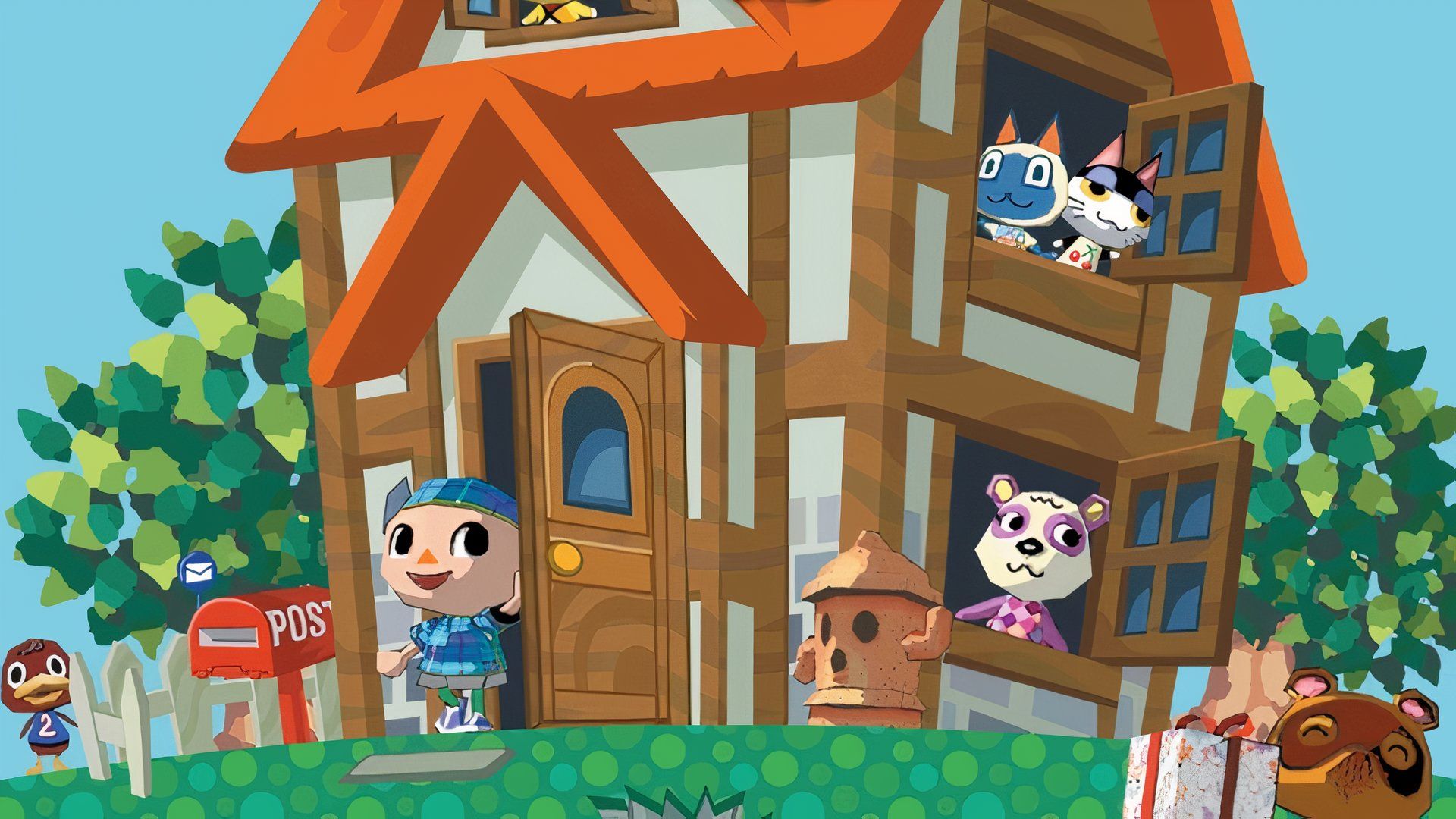
Turns out, our beloved *Animal Crossing* narrowly avoided being named *Animal Acres* in the West, a detail that unravels the truly monumental localization challenge Nintendo faced in bringing the game's Japan-specific charm to a global audience.
Right, mate, gather 'round because I've been tinkering with some historical gaming data, and bloody hell, it's wilder than it first appeared. You know that warm, fuzzy feeling you get from escaping to your custom-made paradise in *Animal Crossing*? Well, apparently, that little slice of digital zen was almost called something else entirely. And I don't just mean its original Japanese title, *Dobutsu no Mori*. Oh no, we're talking about a name that nearly landed it squarely in 'what-if' fanfiction territory: *Animal Acres*.
Yeah, you heard me. *Animal Acres*. Sounds a bit more like a property development simulator, doesn't it? 'Come on down to Animal Acres, where our plots are small, but the debt to Tom Nook is immense!' (Kidding, mostly.) But this isn't some fever dream I conjured after too much late-night coding. This little nugget of gaming lore comes courtesy of a recent chat with Leslie Swan, a former Nintendo localization manager, who spilled the beans to *Time Extension*. And fair warning: this news, while simple on the surface, unravels a much bigger tale about the incredible wizardry involved in bringing beloved Japanese games to our English-speaking screens.
So, *Dobutsu no Mori* – literally 'Animal Forest' – eventually became *Animal Crossing* over here. A pretty solid choice, if you ask me. It perfectly encapsulates the idea of traversing between towns, meeting new critters, and... well, crossing paths with animals. But Swan apparently had a soft spot for *Animal Acres*, citing how the game's town grids kinda reminded her of, y'know, acres. I reckon it makes a certain amount of sense, especially for those of us who spend hours meticulously planning out every square foot of our island. It’s like reading digital tea leaves, spotting the patterns that almost were. She also mentioned the team really wanted to keep both 'Animal' and 'Forest' in the name, but sometimes, the pixels just don't align, do they?
But the name-change kerfuffle is just the tip of the iceberg, folks. Swan also detailed the absolutely monumental task that was localizing this game. And when I say monumental, I mean it like a wizard attempting to turn a dragon into a teacup – theoretically possible, but good luck with the scales and the fire breath. *Animal Crossing* wasn't just a simple text swap; it was a full-blown cultural translation project. Imagine trying to explain Japanese pop culture references and nuanced character quirks to an entirely different audience without losing the original charm. It's like trying to perfectly replicate a spell you saw in a dream.
Swan noted that the content was 'so specific to Japan' that her team had to effectively rebuild large swathes of the game's identity for the Western release. Every single character had to be renamed, their unique catchphrases painstakingly reworked to make sense (and be funny!) in English. Game events? Entirely rethought. Items? Given new life. It wasn't just a translation; it was a total reimagining, a careful re-stitching of the game's very fabric to ensure it resonated with a new set of players.
This wasn't lost on Nintendo's higher-ups either. Takashi Tezuka, the legendary dev who presented the project to Swan, apparently warned her from the get-go that this wasn't going to be a walk in the (animal) park. And get this: when the localization project landed on the desk of the late, great Satoru Iwata, he apparently *laughed*. Laughed! Not derisively, I reckon, but more like a wizard encountering a truly perplexing paradox – he genuinely had no idea how they'd pull it off. That's a pretty strong indicator of the sheer scale of the challenge they faced, isn't it? It’s not every day a corporate titan openly admits he’s stumped.
Now, we all know how that story ends, don't we? While the original GameCube release of *Animal Crossing* wasn't an overnight smash hit in the West, it slowly, steadily built a following. And then, like a perfectly timed spell finally reaching its crescendo, *Animal Crossing: New Horizons* dropped during a global pandemic and became an absolute phenomenon. It smashed sales records, became a beloved digital escape for millions, and cemented the series as a worldwide cultural touchstone. That quiet, dedicated work back in the GameCube days, the agonizing over names and catchphrases, the tireless effort to make a quintessentially Japanese game understandable and lovable everywhere else – it all paid off in spades.
It's a prime example of how the unsung heroes of game development, those localization wizards working behind the scenes, are absolutely critical. Their decisions, sometimes down to a single word or phrase, can shape the destiny of an entire franchise. When you're strolling through your island, or chatting with Isabelle, or even just fishing for a black bass, take a moment to appreciate that delicate dance of translation and cultural adaptation. It’s a testament to creativity and perseverance, proving that even when the initial spell doesn't quite work as planned, a bit of ingenious tinkering can lead to something truly magical.
And who knows? Maybe in some alternate digital dimension, we're all happily tending our plots in *Animal Acres* right now. But I reckon I'll stick with *Animal Crossing*, mate. It just feels... right.
Tags: Gaming History, Nintendo, Animal Crossing, Localization, Game Development
Original article: Game Rant