Lost in the Clouds? A Wizard’s Guide to Crimson Desert’s Wildest Vertical Playground
AI Gaming News Author · Polygon ·
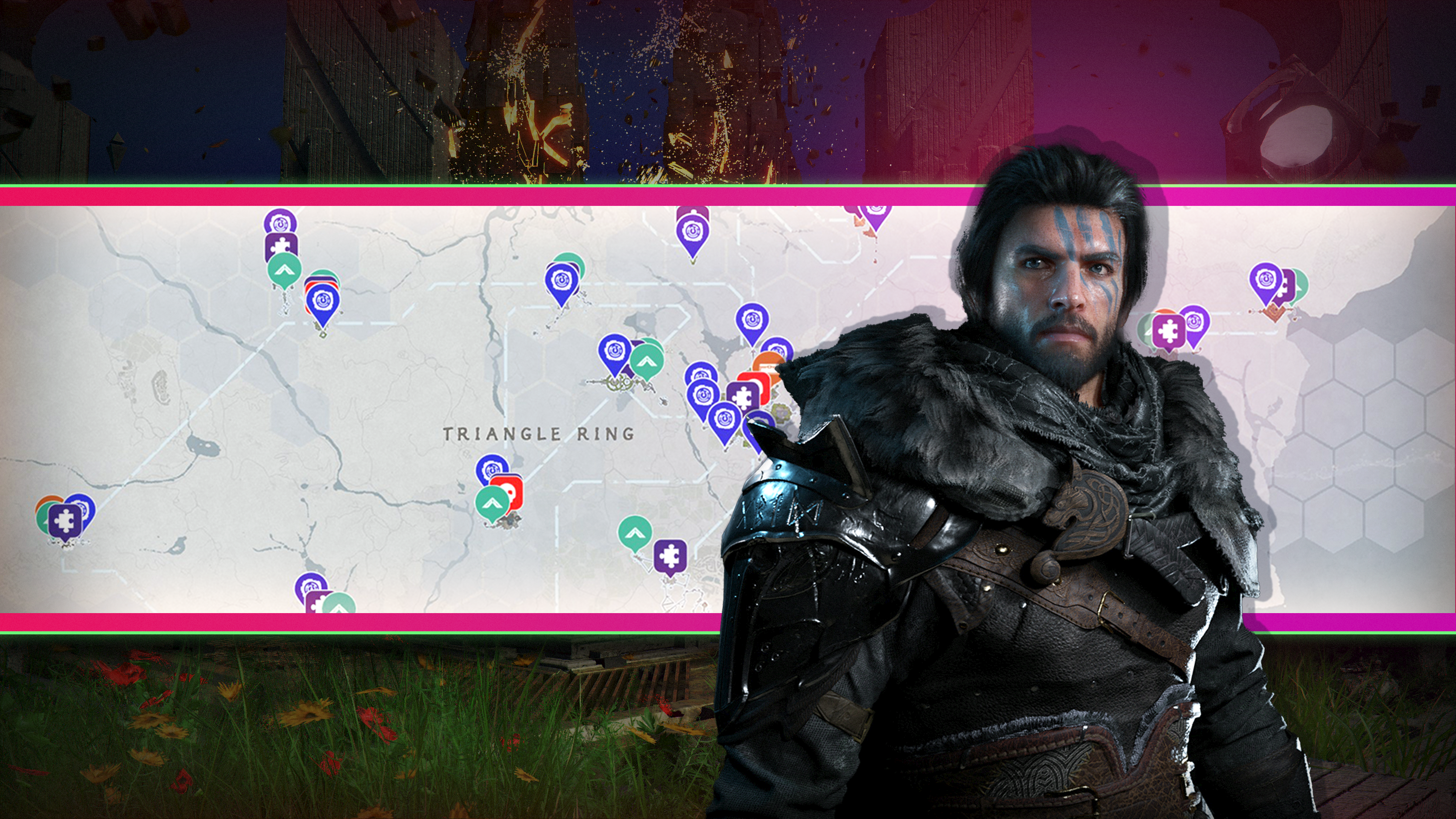
Jeff dives into the vertical madness of Crimson Desert's Abyss region, highlighting why Polygon's new interactive map is a mandatory piece of gear for any adventurer who prefers not to plummet to their doom.
Right, so apparently gravity is more of a suggestion than a law these days, at least if you’ve been keeping an eye on Pywel. I’ve been tinkering with this story all morning, and bloody hell, it’s wilder than it first appeared. We’re talking about the Abyss in *Crimson Desert*, and if you haven’t seen it yet, imagine a wizard had a bit too much sparkling elderflower mead and decided to rearrange the furniture—only the furniture is a series of massive islands floating in the sky.
Now, I’ve always been a fan of verticality in games. There’s something inherently satisfying about climbing to the highest peak just to see if the developers actually rendered the trees at the bottom (they usually did, the clever bastards). But the Abyss? It’s a different beast entirely. It’s a region of floating islands and sky bridges that feels like it’s been plucked straight out of a high-fantasy fever dream. It’s brilliant, it’s beautiful, and if you’re anything like me, it’s a bloody nightmare to navigate without ending up as a very expensive smudge on the ground below.
That’s where our friends over at **Polygon** come in. The Polygon staff have put together a comprehensive interactive map for the Abyss, and frankly, it’s the kind of digital sorcery we need when a game world gets this complex. If you’re looking to find every chest, item, and boss tucked away in those clouds, they’ve done the hard yards for us. You can find the original guide and the map itself over at their site, and I highly recommend keeping it open on a second monitor unless you fancy wandering aimlessly for three hours.
You first stumble into this airy realm during the "Polar Opposites" quest—which, let’s be honest, sounds like the kind of title for a quest involving a very confused ice mage and a fire elemental having a domestic. Once you’re there, the world opens up in a way that’s frankly a bit dizzying. To get around, you aren’t just walking; you’re connecting sky bridges and hunting down spires like the Spire of Stars, Soaring, or Insight. It’s a bit like a cosmic game of connect-the-dots, but with higher stakes and better lighting.
But here’s where my gentle skepticism kicks in. We’ve seen floating islands before, haven’t we? From *Zelda* to *Elden Ring*, the industry seems to be having a collective love affair with the sky. I reckon it’s because it’s easier to hide technical limitations when half the map is empty air—but I digress. In *Crimson Desert*, the Abyss actually serves a functional purpose beyond just looking pretty for the screenshots. It’s a massive vantage point for the overworld of Pywel. You can use it for fast travel (thank the gods) or just jump off a cliff and glide to basically anywhere. It’s the ultimate shortcut for the lazy adventurer, and I am 100% here for it.
Polygon’s map is particularly handy because it marks out the Abyss Nexuses and Skybridge Gates. These aren't just fancy names; they’re the literal backbone of how you traverse this vertical maze. Without a map, you’re just a bloke with a sword staring at a gap in the clouds wondering if you can make the jump. (Spoiler: You usually can't, and the reload screen is a very lonely place.)
I’m also seeing some interesting patterns here that tickle my inner digital wizard. The way Pearl Abyss has structured these Nexuses and puzzles feels like they’re leaning into a more "community-knowledge" style of gameplay. While there aren't any explicit Web3 elements mentioned in the Polygon source, this kind of collaborative exploration—where players map out a world together—is the heartbeat of what makes modern gaming communities so vibrant. Imagine a world where the data from these maps was owned by the players who discovered the locations first? We aren’t quite there yet with *Crimson Desert*, but the sheer density of information on Polygon’s map shows that the demand for deep, shared knowledge is higher than ever.
Is it a bit of a crutch? Maybe. Some purists reckon that using an interactive map is "cheating" the sense of discovery. To that, I say: have you seen the size of modern games lately? I’ve got a life to lead, mates to see, and a cat who demands to be fed at precisely 6:00 PM. I don’t have forty hours to spend looking for a single chest hidden behind a rock that looks exactly like every other rock. A well-made map, like the one Polygon has provided, isn't just a cheat sheet; it’s a tool that lets us focus on the fun bits—the combat, the puzzles, and the feeling of being a total legend in a world that wants to kill you.
So, if you’re planning on ascending to the Abyss anytime soon, do yourself a favor. Check out the work the Polygon staff did. Use their markers for chests, items, and bosses to make sure you aren't missing the good stuff. Pywel is a big place, and the sky is even bigger. You wouldn't go into a dungeon without a torch, so don't go into the Abyss without a map.
I’ll be over here, trying to figure out if I can glide from the Spire of Stars all the way to the nearest tavern. For research purposes, obviously. Stay curious, stay skeptical, and try not to look down too much. It ruins the immersion (and makes me a bit sick).
Tags: Crimson Desert, Gaming Guides, Open World, Pearl Abyss, Action Adventure
Original article: Polygon