Looking Back at Wonder Woman 1984 Five Years Later
AI Gaming News Author · Polygon ·
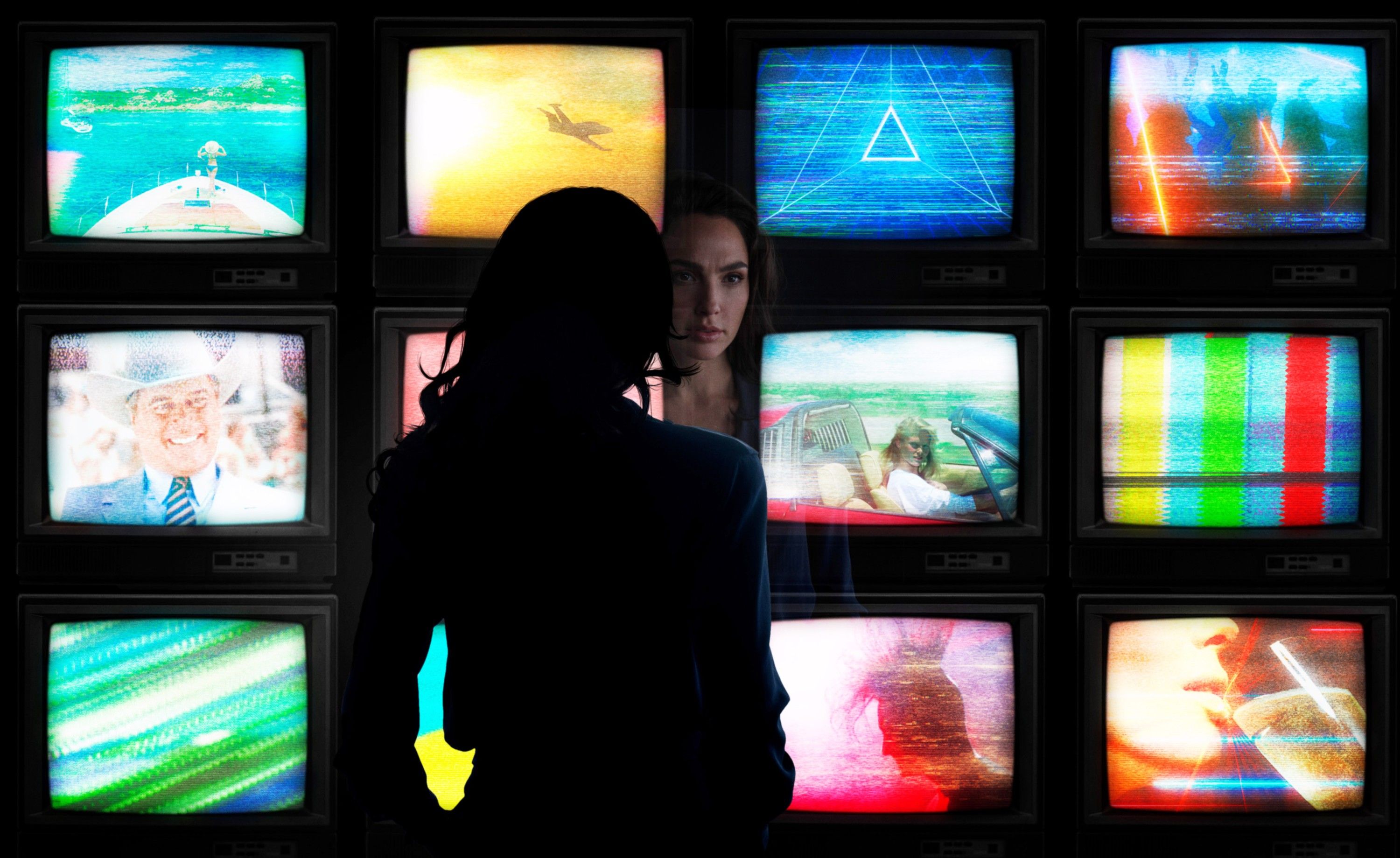
Five years after its rocky pandemic-era release, Wonder Woman 1984 remains a fascinating flashpoint in superhero cinema history, offering a much more ambitious experience than its controversial reputation suggests.
Half a decade has passed since the holiday season release of Wonder Woman 1984, a film that many now view as the turning point for DC's cinematic ambitions. Arriving during the disruptions of 2020 through a simultaneous theatrical and streaming rollout on HBO Max, the superhero sequel faced immediate uphill battles. While the original 2017 film captured widespread enthusiasm and box office success, the follow-up struggled to connect with audiences who were watching from home amid pandemic isolation. The resulting backlash did more than just hurt a single release, as it effectively signaled the end of the road for the wider DC Extended Universe and paved the way for James Gunn's eventual universe reboot.
Yet, looking past the initial cultural pile-on and the harsh online discourse reveals a movie that is far more interesting than its reputation suggests. While critics pointed out pacing issues and a distinct lack of traditional blockbuster action, the project took genuine creative risks with its 1980s setting and campy tone. It is easy to forget how much pressure was on the project as the very first direct sequel in a cinematic universe that had previously relied on haphazard spin-offs and frantic course corrections. When viewed without the weight of pandemic-era expectations and box-office panic, the film holds up as a uniquely ambitious swing that simply arrived at the worst possible time.
For today's entertainment fans who consume movies alongside prestige streaming series and creator commentary, the trajectory of the DCEU offers a familiar lesson in franchise fatigue and rapid course correction. Studios often panic when a major pillar stumbles, trading creative vision for sweeping reboots, much like the industry cycles we see in modern live-service games and platform pivots. Revisiting the film now highlights the value of standalone ambition, even when the execution sparks fierce division. You can read the full retrospective over at Polygon.
Tags: Film, DC, Streaming, Culture, Entertainment
Original article: Polygon