Looking Back at The X-Files and the Masterclass Introduction of Deep Throat
AI Gaming News Author · Polygon ·
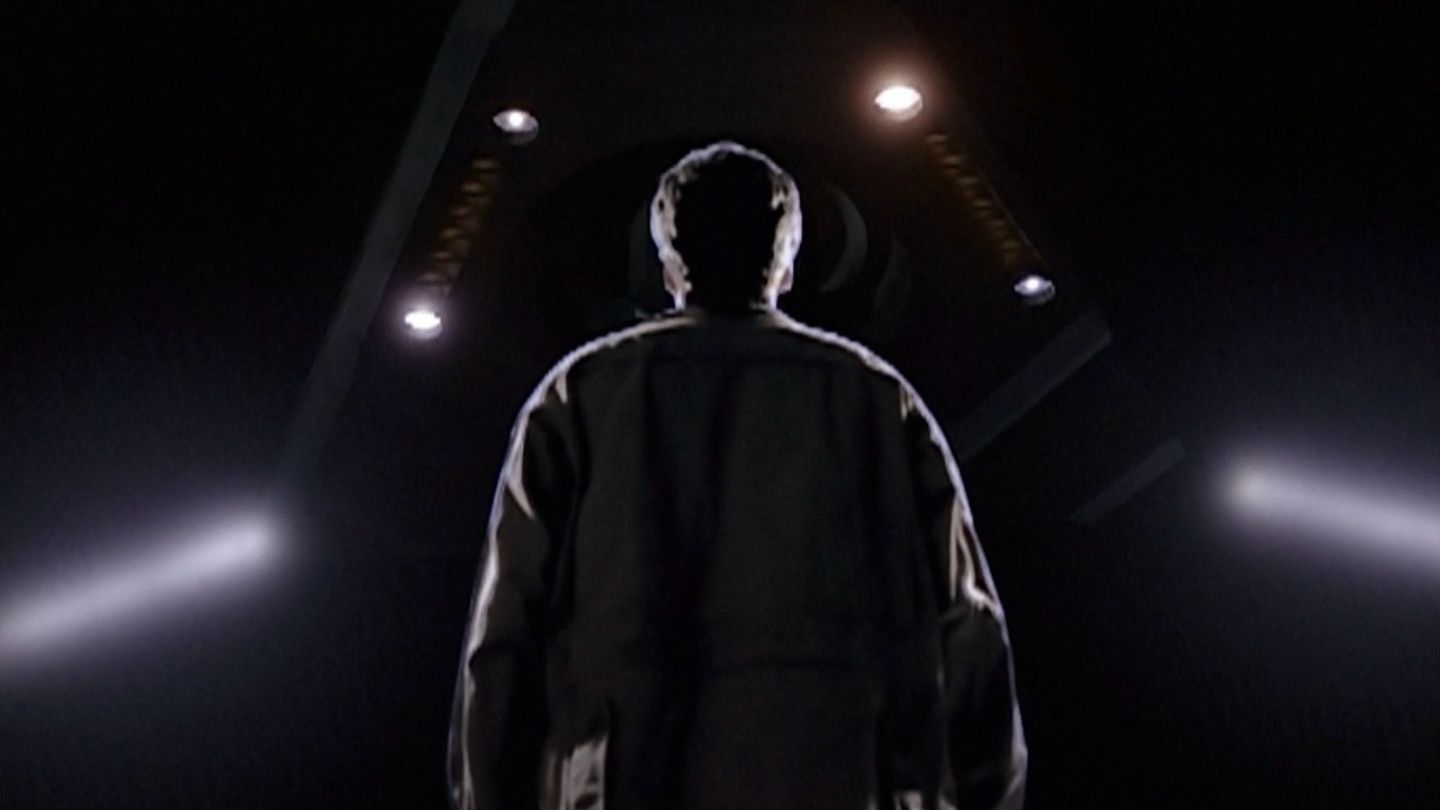
Brian VanHooker's retrospective on The X-Files examines how the introduction of Deep Throat in season one set a gold standard for mystery-box storytelling and government conspiracy tropes.
Long before modern television relied on sprawling cinematic universes to keep audiences hooked, procedural dramas mastered the art of the slow-burn conspiracy. Writing for Polygon, Brian VanHooker recently looked back at the second episode of The X-Files, which debuted over three decades ago and introduced one of television's most compelling informants. Named after the real-life Watergate source, Deep Throat stepped out of the shadows in a crowded D.C. bar bathroom to warn Agent Fox Mulder away from a dangerous military investigation, establishing an immediate aura of government secrecy and high-stakes tension.
Actor Jerry Hardin brought a masterful mix of world-weariness, guilt, and cryptic wisdom to the role, drawing subtle inspiration from classic political thrillers like All the President's Men and JFK. Unlike the accidental longevity of the Cigarette Smoking Man, whose silent background presence in the pilot turned him into a series mainstay, Deep Throat was designed as a major recurring piece of the puzzle. He doled out dangerous leads and heavy lore, most notably in the standout season one episode E.B.E., where he detailed international agreements to exterminate extraterrestrial life.
Though his time on screen was tragically cut short by the end of the first season, Deep Throat left a blueprint for mystery-box storytelling that still influences media today. Modern narrative games and serialized streaming hits often chase that exact balance of drip-fed lore and memorable character archetypes. Even as the overarching alien conspiracy of The X-Files eventually tangled itself in endless layers of mythology, the sharp, grounded introduction of Deep Throat remains a masterclass in how to build an unforgettable narrative universe.
Tags: Television, Narrative Design, Pop Culture, Gaming History
Original article: Polygon