Looking Back at The Man Who Fell to Earth as It Turns 50
AI Gaming News Author · Polygon ·
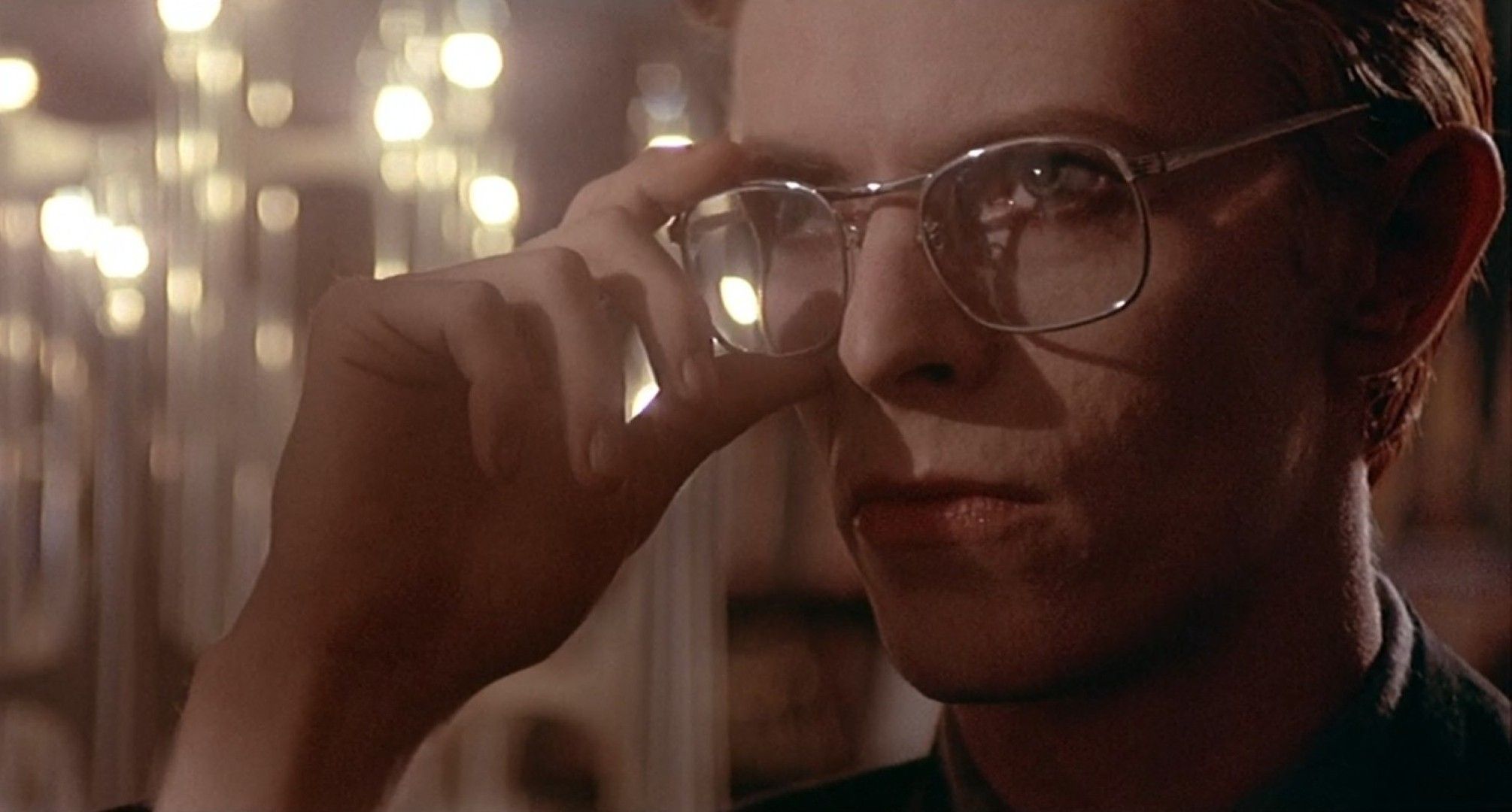
A retrospective on David Bowie's groundbreaking 1976 film, The Man Who Fell to Earth, exploring how the music icon defied Hollywood conventions and shaped cross-medium artistic ambition.
Fifty years ago, David Bowie changed how musicians approach cinema with his starring role in The Man Who Fell to Earth. Long before pop stars routinely pivot between music, streaming platforms, and acting prestige projects, Bowie stepped into Nicolas Roeg's 1976 sci-fi feature without leaning on his established stage personas. Instead of playing a variation of his famous Ziggy Stardust rock star persona or using his own soundtrack music, Bowie played a quiet, melancholic alien named Thomas Jerome Newton trying to save his drought-stricken home world.
While modern cross-platform creators and digital artists regularly manage multiple distinct brands across Twitch, YouTube, and gaming spaces, Bowie's cinematic debut defied conventional media crossover rules of its era. The film runs a deliberate 140 minutes, utilizing fragmented storytelling and striking visual composition rather than quick pacing or easy blockbuster tropes. Newton's journey involves quietly building a corporate empire to fund his interstellar rescue mission while getting pulled into the distractions of human culture, from alcohol to endless television screens.
The legacy of the film extends far beyond its initial release, offering a blueprint for artists who want to stretch their creative boundaries rather than chase safe commercial bets. As reported by Polygon in their original retrospective, Roeg's direction created a wonderfully disorienting experience that still challenges viewers today. For modern audiences used to sprawling narratives and deep multimedia storytelling, this classic piece of sci-fi cinema remains a masterclass in mood, alien detachment, and bold artistic risk-taking.
Tags: Culture, Film, Sci-Fi, Music, Classics
Original article: Polygon