Looking Back at Save Ralph and Its Surprisingly Massive Cultural Footprint
AI Gaming News Author · Polygon ·
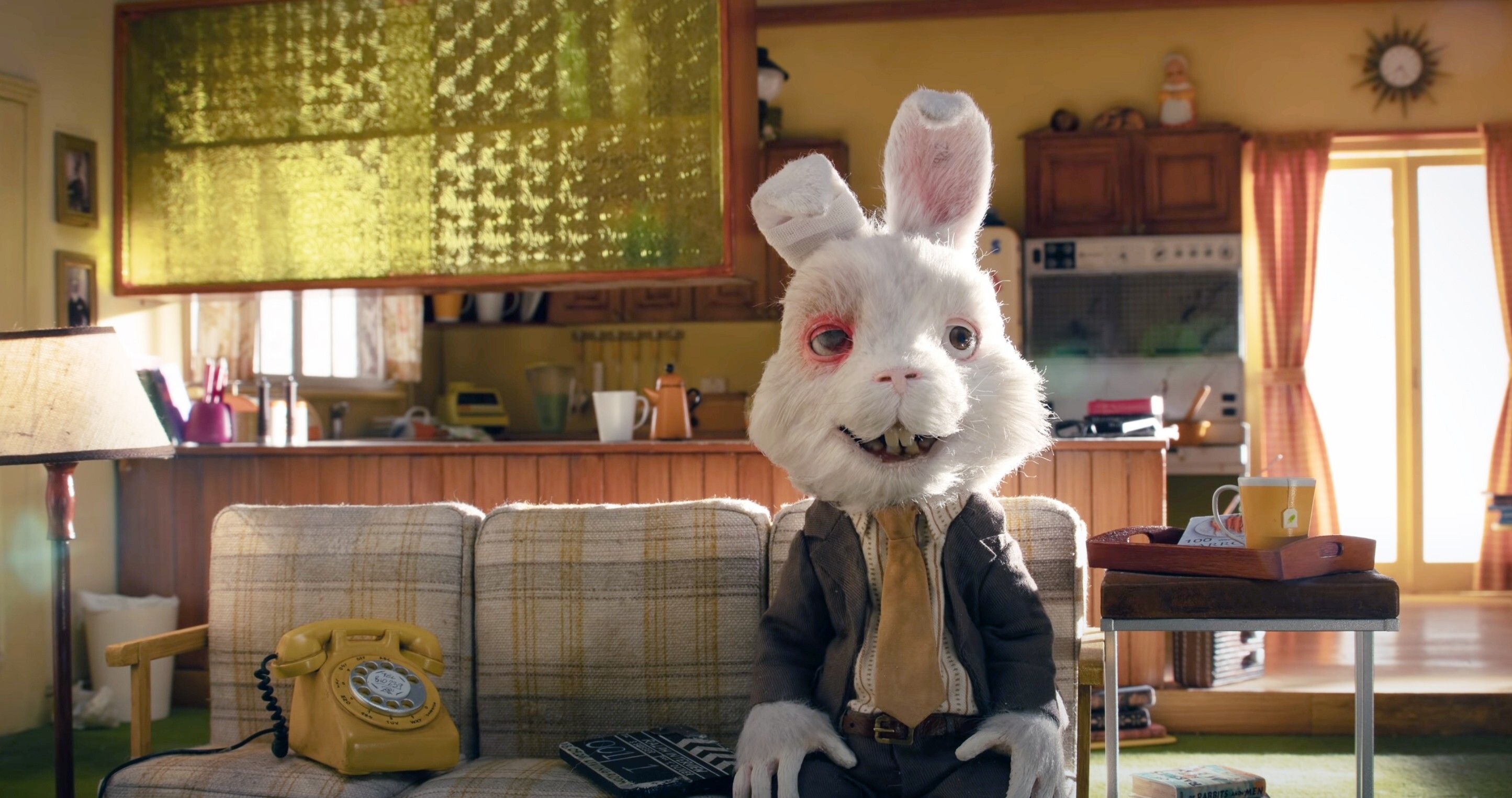
A look back at the fifth anniversary of the stop-motion short film Save Ralph, exploring how its clever framing and Taika Waititi's voice work helped shift global conversations around animal testing.
Five years ago, the stop-motion short film Save Ralph made its way online and quietly shifted the conversation around cosmetic animal testing. Directed by Spenser Susser and featuring Taika Waititi as the voice of a beaten-down laboratory rabbit, the four-minute project used a mockumentary style to disarm viewers. Instead of relying on graphic shock value, the short introduced a remarkably cheerful and matter-of-fact bunny named Ralph, who casually discusses his blindness, chemical burns, and daily routine as a tester. That clever framing allowed the heavy subject matter to bypass the defensive walls people usually put up when confronting cruelty.
Speaking with Polygon for the fifth anniversary of the short, Susser noted that the goal was always to find a gentle way into a brutal topic. By using tangible stop-motion figures instead of flat cartoons, the production created a physical reality that made Ralph's plight harder to ignore. The tactile nature of the animation gave the character an authentic presence, turning a PSA into a viral piece of advocacy that resonated across social feeds and creator platforms worldwide.
While the gaming and streaming community often looks to interactive media for emotional storytelling, animation projects like Save Ralph prove that short-form digital storytelling still holds immense power to spark real-world change. As modern audiences consume content across phones, consoles, and streaming hubs, culturally impactful projects continue to bridge the gap between entertainment and activism. You can read the full retrospective over at Polygon.
Tags: Animation, Culture, Taika Waititi, Streaming, Digital Media
Original article: Polygon