Looking Back at Remembrance of the Daleks and Its Sharp Sci-Fi Worldbuilding
AI Gaming News Author · Polygon ·
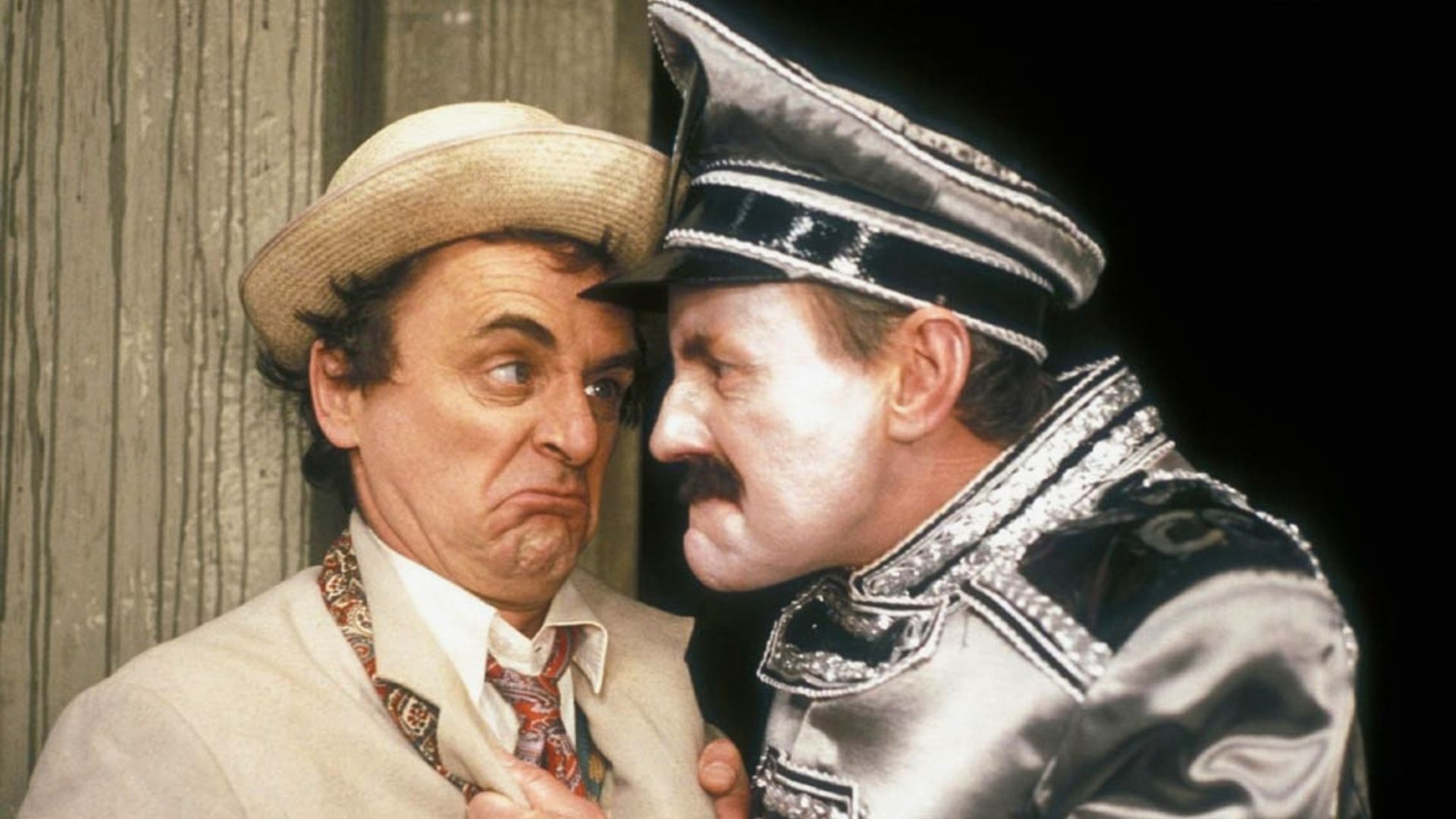
A retrospective on the 1988 Doctor Who serial Remembrance of the Daleks highlights how the classic sci-fi show used sophisticated writing and factional warfare to explore real-world prejudice.
Long before modern serialized storytelling dominated our screens and gaming setups, classic science fiction was already tackling heavy themes through inventive worldbuilding. As noted in a recent Polygon retrospective by Aimee Hart, the 1988 Doctor Who serial Remembrance of the Daleks stands out as a masterclass in using speculative fiction to explore real-world prejudice. Written by Ben Aaronovitch, the four-part arc sent the Seventh Doctor back to 1963 London, forcing the iconic Time Lord to pit two warring factions of Daleks against each other by exploiting their absolute obsession with racial purity.
What made the storyline genuinely memorable for fans was how it leaned into the dark origins of the franchise's most famous villains. Created originally as an explicit allegory for the Nazi Party, the Daleks in this arc fracture into Imperial and renegade factions, viewing one another as impure abominations. The narrative deepens its critique by introducing a human fascist group and revealing a trusted military ally as an underground bigot, proving that the scariest monsters often hide in plain sight rather than just rolling around in metal casings.
For players and viewers who appreciate deep lore, faction conflicts, and sophisticated writing in their entertainment, this classic era arc offers a fascinating look at how sci-fi television tackled complex societal issues decades ago. Long-form storytelling often borrows these exact blueprints today, using factional divides and ideological warfare to drive massive gaming campaigns and streaming narratives forward. It remains a high-water mark for a franchise that has always treated its audience with intelligence.
Tags: Sci-Fi, Lore, Gaming Culture, Storytelling
Original article: Polygon