Looking Back at Max Payne as Remedy Revisits New York City
AI Gaming News Author · Polygon ·
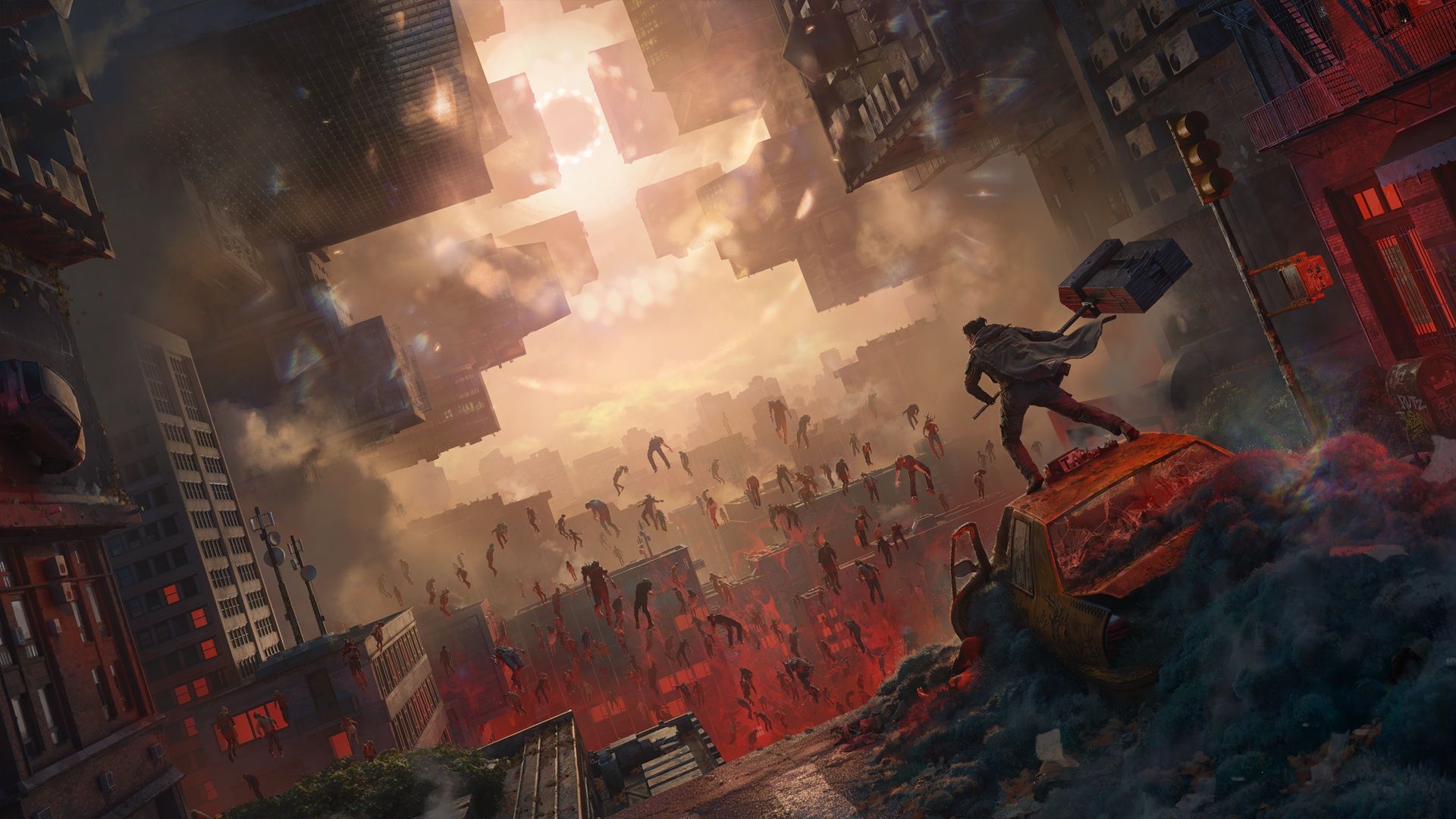
Exploring how Remedy Entertainment's classic 2001 shooter Max Payne established the studio's signature New York City aesthetic 25 years before their latest releases.
As players dive into the latest release of Control Resonant, it is worth remembering that Remedy Entertainment has a long history with the streets of New York City. A full quarter century ago, the studio released Max Payne, a gritty third person shooter that traded in neo noir atmosphere, trench coats, and a perpetually frozen Manhattan skyline. Driven by a tragic personal backstory and presented through graphic novel panels voiced by the late James McCaffrey, the original game laid the narrative foundation for the distinct storytelling style Remedy is known for today.
Beyond its moody aesthetic, Max Payne made its mark by introducing bullet time to mainstream gaming. Slowing down the action to pick off waves of mobsters while diving through the air felt revolutionary at the time, bridging the gap between classic action cinema and interactive play. While some elements like the unforgiving console checkpoints, stiff animations, and dated textures show their age, the core mechanics and distinct style still hold up for players willing to look past two decades of industry evolution.
As Polygon points out, revisiting the original release offers a fascinating lens through which to view Remedy's trajectory, especially with the upcoming Max Payne remakes on the horizon. Modern players accustomed to quality of life features and smooth cross platform options might find the original PC version the most painless way to revisit the classic. Ultimately, seeing how the studio's urban environments have evolved from the stark polygonal alleys of 2001 to the intricate, supernatural architecture of its current lineup highlights just how far developer vision and game engines have come.
Tags: Remedy Entertainment, Max Payne, PC Gaming, Retro Gaming, Action Games
Original article: Polygon