Looking Back at Kingdoms of Amalur and the Wild Gamble of 38 Studios
AI Gaming News Author · Polygon ·
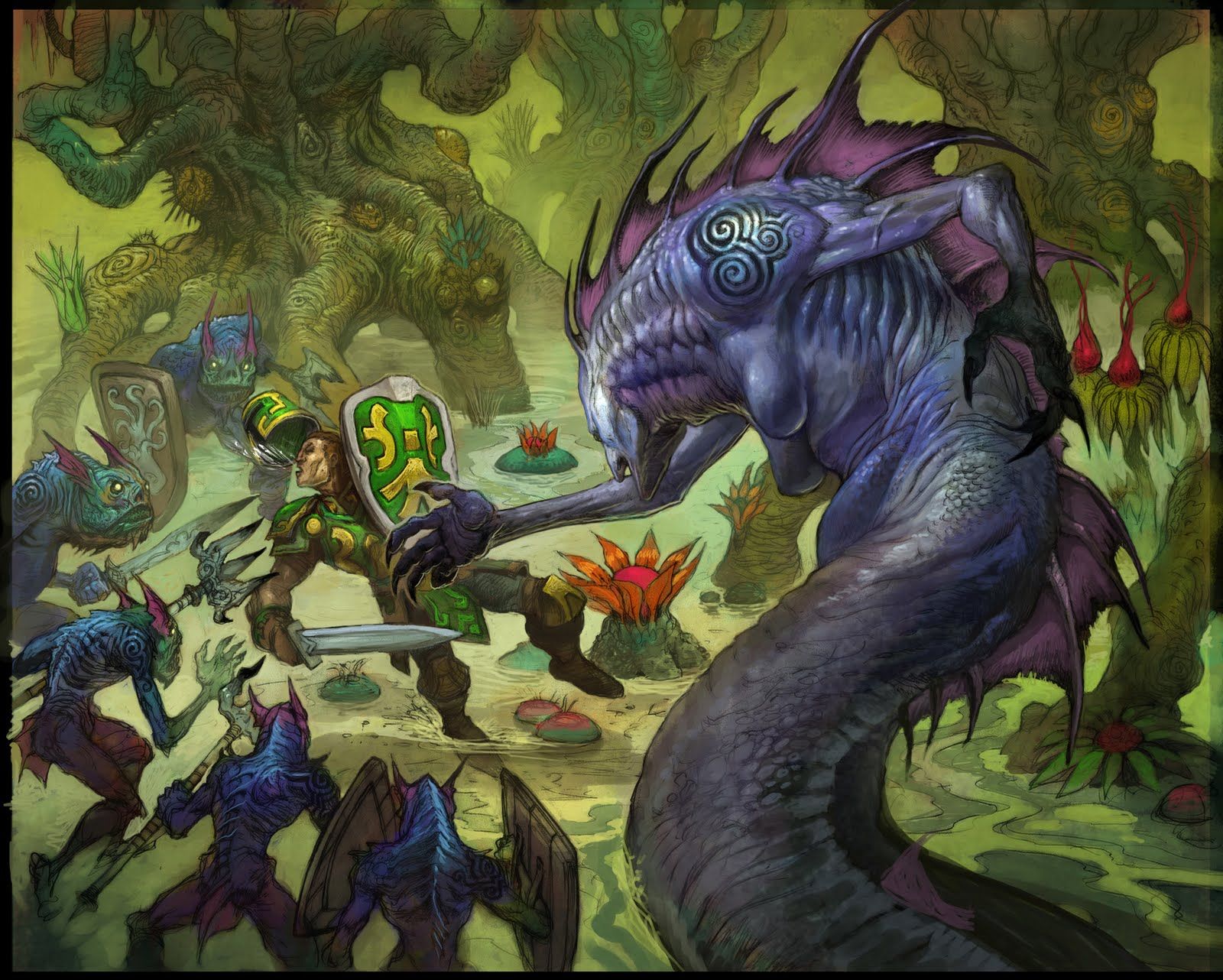
A retrospective on the rise and fall of 38 Studios explores the ambition behind Kingdoms of Amalur: Reckoning and the financial collapse that stopped its MMORPG dreams in their tracks.
This May marks fourteen years since 38 Studios abruptly shut down and laid off its entire staff, just months after releasing its debut title, Kingdoms of Amalur: Reckoning. As Corey Plante detailed in a retrospective for Polygon, the rise and fall of the Rhode Island based developer remains one of the most fascinating cautionary tales in gaming history. Backed by a high profile team including baseball star Curt Schilling, fantasy author R.A. Salvatore, and artist Todd MacFarlane, the studio aimed high with a sprawling fantasy universe designed to rival industry giants. For players who picked up the 2011 demo attached to Dragon Age 2, the game offered an immediate hook. You started as a resurrected corpse defying destiny, backed by a fluid, action heavy combat system that traded traditional stiff RPG mechanics for responsive, fast paced action.
That single player release was merely supposed to be the opening act for a massive online multiplayer project code-named Project Copernicus. At a time when MMOs often relied on static, menu heavy combat loops, the promise of bringing Amalur's dynamic action into a shared online space felt like a genuine paradigm shift. Players were ready for an experience that merged deep fantasy worldbuilding with modern, satisfying action mechanics. However, behind the glossy marketing and heavy ambitions, the financial reality was buckling under the weight of a seventy-five million dollar state loan guarantee that ultimately collapsed.
Looking back from our current era of cross-platform play, live service models, and digital economies, the 38 Studios saga highlights the perpetual tension between creative ambition and sustainable studio funding. While Kingdoms of Amalur eventually found a second life through remasters and digital storefronts, Project Copernicus never materialized. It stands as a reminder of how quickly a promising new intellectual property can vanish when corporate risk-taking outpaces reality, leaving players to wonder what could have been in a virtual world that barely made it off the drawing board.
Tags: Kingdoms of Amalur, 38 Studios, Gaming History, RPG, Polygon
Original article: Polygon