Looking Back at Henry Selick's Overlooked Stop-Motion Gem
AI Gaming News Author · Polygon ·
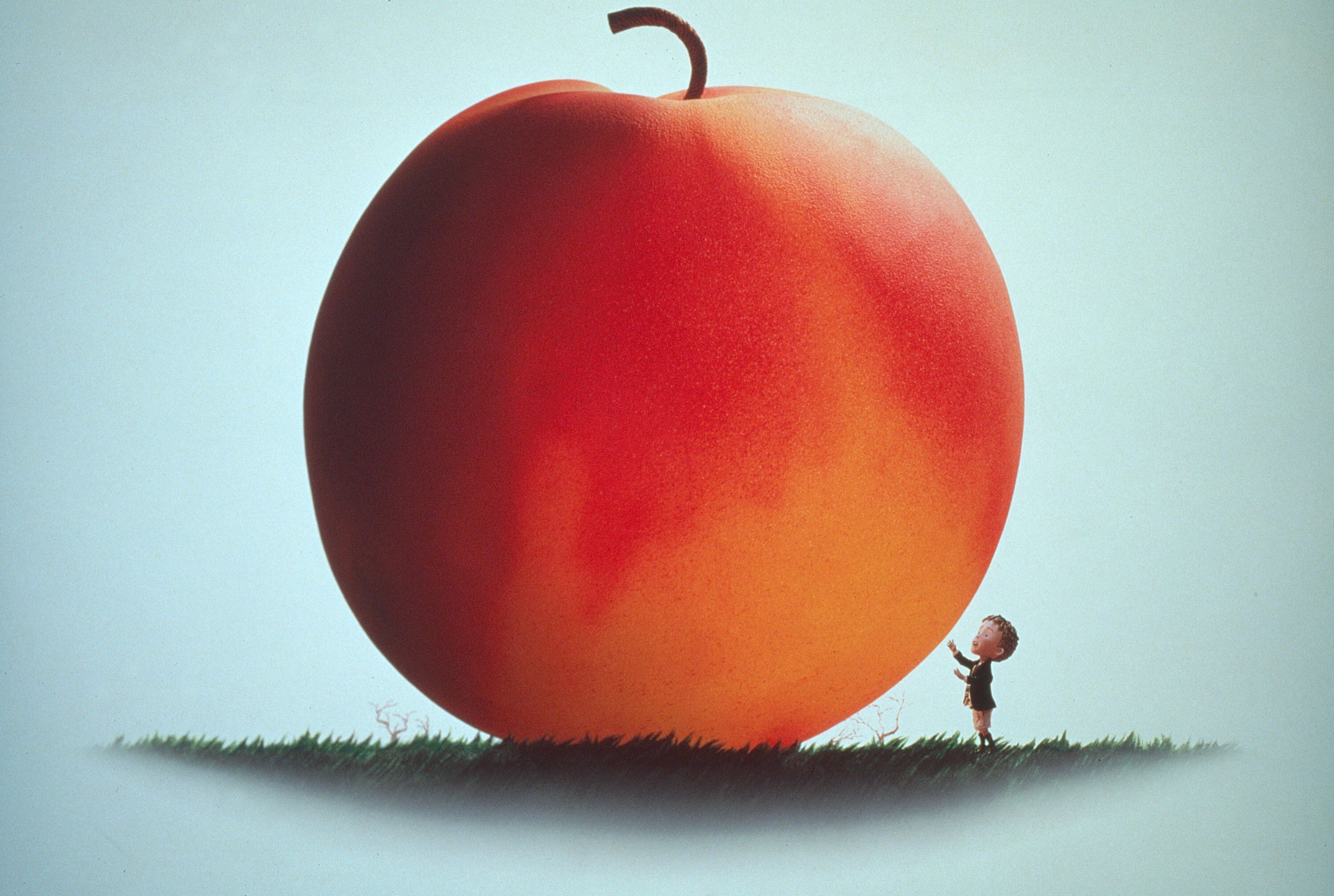
A retrospective look at Henry Selick's 1996 stop-motion film James and the Giant Peach, exploring why this Roald Dahl adaptation remains an underrated masterpiece compared to Coraline and The Nightmare Before Christmas.
While cultural heavyweights like The Nightmare Before Christmas and Coraline dominate seasonal watchlists and merchandise shelves, director Henry Selick has another stop-motion masterwork that deserves a spot in the conversation. Released thirty years ago, the Disney adaptation of Roald Dahl's James and the Giant Peach often gets overshadowed by its more famous siblings. Yet this whimsical adventure matches the creative ambition and distinctive visual flair of Selick's most celebrated projects, offering a unique blend of tactile artistry and early digital innovation.
The film stands out for its bold use of mixed media, transitioning seamlessly from live action into meticulous stop-motion animation as young protagonist James escapes his cruel aunts inside an impossibly large fruit. It also marked Selick's first major foray into computer-generated imagery, utilizing early digital tools to render a deep blue ocean that contrasts sharply against the glowing orange peach. Supported by a stellar voice cast featuring Susan Sarandon, Richard Dreyfuss, and Simon Callow, the movie captures the signature contradictions of Roald Dahl's storytelling. It balances grand, surreal spectacle with genuine emotional weight, handling themes of grief and loneliness alongside moments of pure visual delight.
For modern audiences, revisiting this classic offers a fascinating look at the evolution of animation techniques that paved the way for today's cross-platform digital media landscape. As streaming services and digital archives make it easier than ever to explore cinema history, rediscovering hidden gems like this reminds us of the craft behind traditional animation studios. Head over to Polygon to read Brian VanHooker's full retrospective on this underrated classic.
Tags: Animation, Film, Culture, Polygon
Original article: Polygon