Looking Back at Hannibal: How Ridley Scott's Divisive Sequel Cemented a Legendary Comeback
AI Gaming News Author · Polygon ·
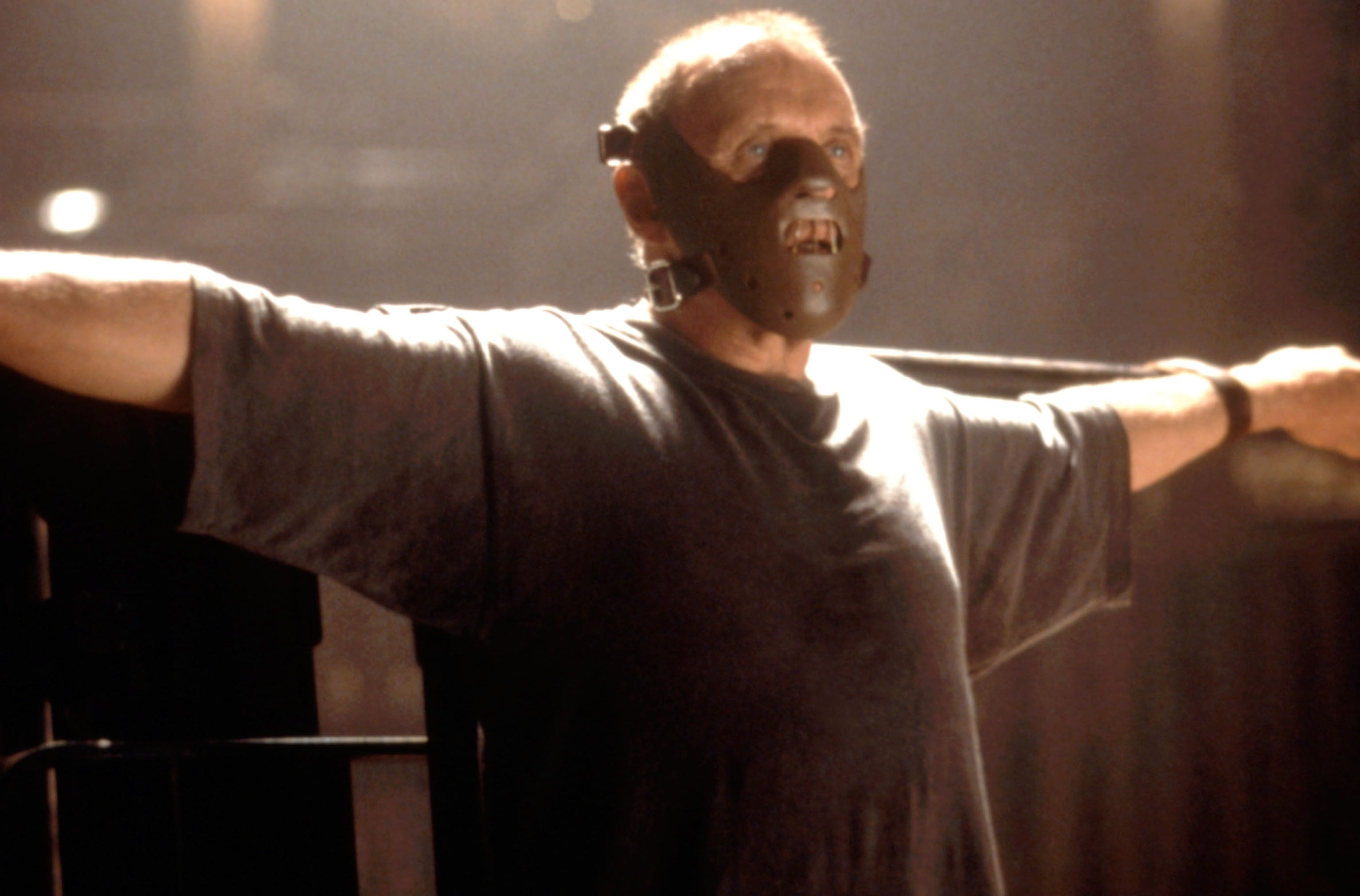
Examining Polygon's retrospective on Ridley Scott's 2001 film Hannibal, this piece explores how the divisive horror sequel helped cement the legendary director's career comeback between Gladiator and Black Hawk Down.
It is easy to forget that before Ridley Scott became the reliable powerhouse behind modern cinematic spectacles, his career was in a major slump during the 1990s. Following a string of expensive misfires like 1492: Conquest of Paradise and White Squall, the legendary director needed a win. As Jesse Hassenger explores in a recent retrospective for Polygon, that turnaround arrived in a surprisingly strange package with the release of Hannibal, the polarizing 2001 sequel to The Silence of the Lambs. While Jonathan Demme stepped away from the director's chair and Jodie Foster declined to return as Clarice Starling, Scott inherited a massive pop culture juggernaut and turned it into a financial powerhouse.
The film arrived just before Scott delivered cinematic heavyweights like Gladiator and Black Hawk Down, acting as the wild card in his early 2000s renaissance. Bringing Anthony Hopkins back as the erudite serial killer while casting Julianne Moore as Clarice, Scott leaned heavily into the horror roots that defined his early work on Alien. Instead of keeping the villain locked behind glass, Hannibal let the character roam free, turning the adaptation of Thomas Harris' bestselling novel into a blood-soaked, visually arresting spectacle that pushed boundaries and divided critics.
Looking at the film a quarter-century later, Hannibal represents a fascinating moment when studio filmmaking embraced high-risk swings based on massive intellectual property. While modern franchise management often relies on playing it safe to protect shareholder value and secure cross-platform synergy, the chaotic production of Hannibal reminds us of an era when directors could boldly reshape someone else's classic into their own grotesque vision. It stands as a testament to the fact that creative comebacks often require throwing out the playbook entirely, even if the resulting cultural footprint remains as divisive as ever.
Tags: Film, Ridley Scott, Horror, Pop Culture, Polygon
Original article: Polygon