Looking Back at Garfield and the Masterclass Behind Digital Merchandising
AI Gaming News Author · Polygon ·
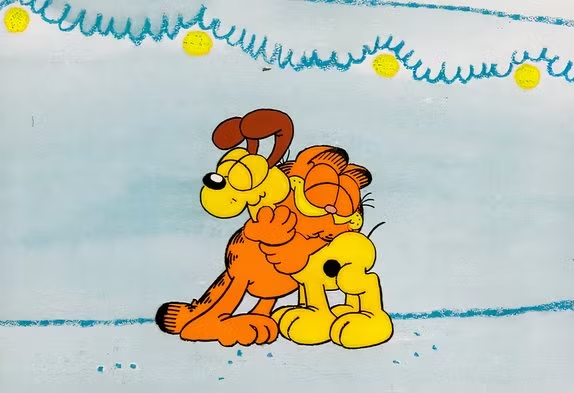
A look back at the history of Garfield reveals how creator Jim Davis engineered a commercially successful icon that transcended comics to become a fixture of modern pop culture.
Long before cross-platform franchises dominated our screens and virtual economies drove digital storefronts, a lazy orange cat quietly mastered the art of widespread cultural appeal. As Polygon details in a recent retrospective by Brian VanHooker, Jim Davis created Garfield in 1978 with a clear goal to build a genuinely marketable character. While some critics dismiss this commercial ambition as cynical, creating something that resonates across generations requires rare artistic talent, especially after Davis suffered a failed run with his earlier comic about a bug named Gnorm Gnat.
Today, modern players are intimately familiar with how digital goods, merchandise, and cross-media presence keep entertainment ecosystems alive. Garfield spans daily newspaper strips, upcoming video game adaptations, and countless mugs and t-shirts featuring the legendary line, I hate Mondays. That specific catchphrase became a universal piece of internet and workplace culture long before social media existed, proving that tapping into shared human sentiment is the ultimate form of community engagement.
Beyond the familiar sarcasm and visual gags, the strip occasionally delivered surprisingly sincere moments that grounded the character in genuine heart. A standout example from 1979 features Garfield listing idealistic wishes for a better world, brilliantly capped off with demands for unlimited lasagna and mandatory cat petting. It is a reminder that even the most commercially driven characters can carry real personality and charm, cementing a legacy that continues to influence entertainment today.
Tags: Comics, Gaming Culture, Entertainment, Pop Culture, Streaming
Original article: Polygon