Looking Back at Final Fantasy 2's Ahead-of-Its-Time Word Memory System
AI Gaming News Author · Polygon ·
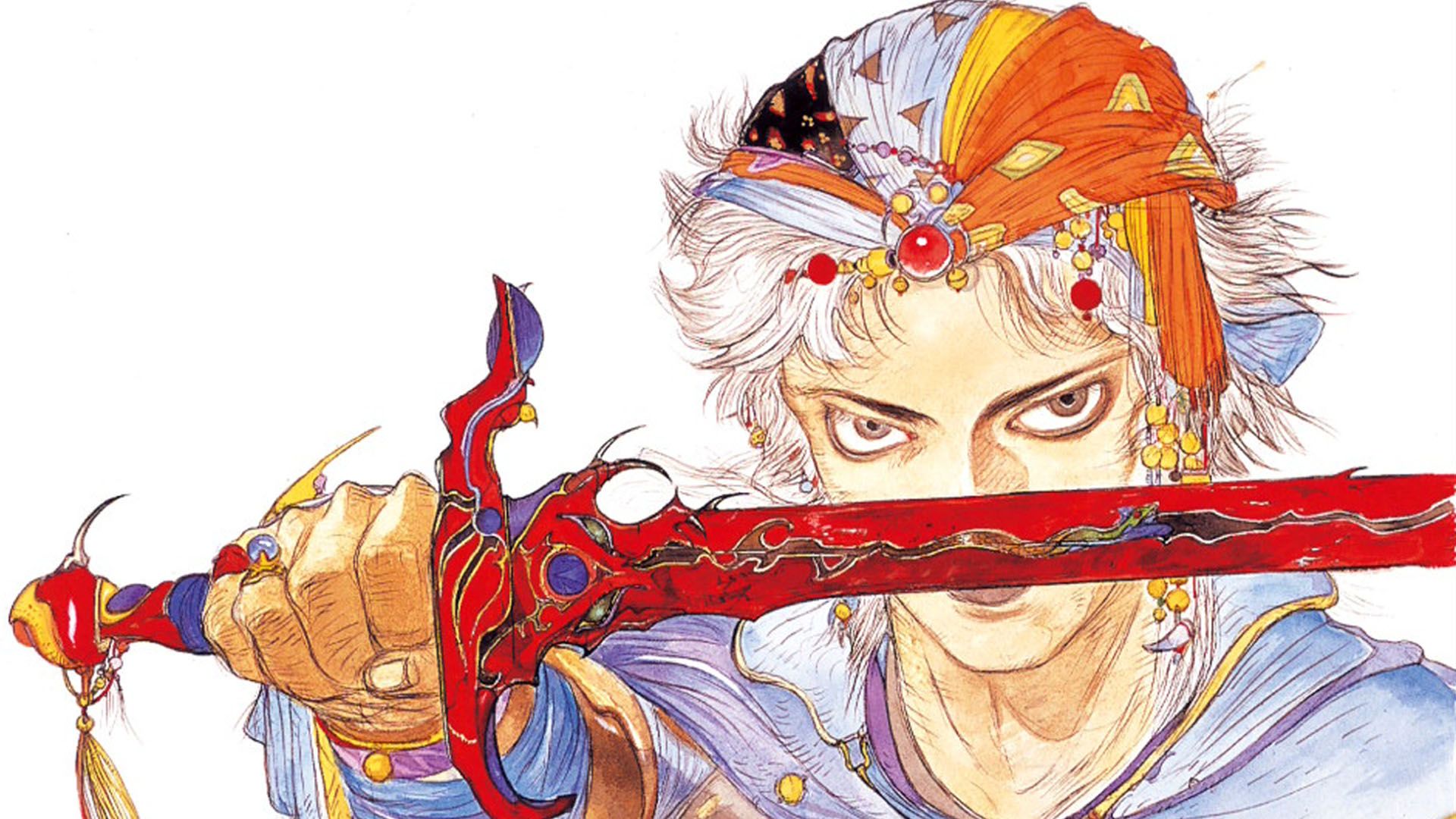
A deep dive into Final Fantasy 2's Word Memory system highlights how the 1988 mechanic turned routine dialogue into an active investigation, offering lessons that still resonate in modern game design.
As Square Enix brings classic titles to modern subscription services, players have a fresh chance to revisit historical design choices that paved the way for modern role-playing games. Writing for Polygon, Paulo Kawanishi recently highlighted Final Fantasy 2, which lands on Xbox Game Pass following its inclusion in the Pixel Remaster collection. While the original 1988 release often gets overshadowed by its peers and its own unorthodox leveling mechanics, it introduced a narrative tool called the Word Memory system that deserves a closer look from today's perspective.
The Word Memory system built conversation around two core commands, learn and ask, allowing players to memorize specific terms from dialogue and bring them up with other non-player characters to unlock new story progression. Script writer Kenji Terada explained back in 1988 that the mechanic was designed to push back against the standard one-way flow of information in role-playing games, giving players a stronger sense of presence and active participation. Drawing inspiration from early text-based adventures and mystery games, the system turned routine exposition into an interactive puzzle long before modern dialogue trees became standard industry practice.
Today, the mechanic feels charmingly quaint, operating with a limited pool of keywords that prevent true open-ended conversations. Even so, the core philosophy holds up remarkably well in an era where modern releases still lean heavily on passive cutscenes. By requiring players to actively retain and deploy information to move the plot forward, Final Fantasy 2 tapped into an early version of the investigative gameplay loops found in modern adventure games and detective thrillers. For anyone diving into the Pixel Remaster version on console or PC, it serves as a fascinating reminder that retro game design was already experimenting with deep player immersion decades ago.
Tags: Final Fantasy, Square Enix, Retro Gaming, RPG, Xbox Game Pass
Original article: Polygon