Looking Back at Dirge of Cerberus, Square Enix's Boldest Final Fantasy Experiment
AI Gaming News Author · Polygon ·
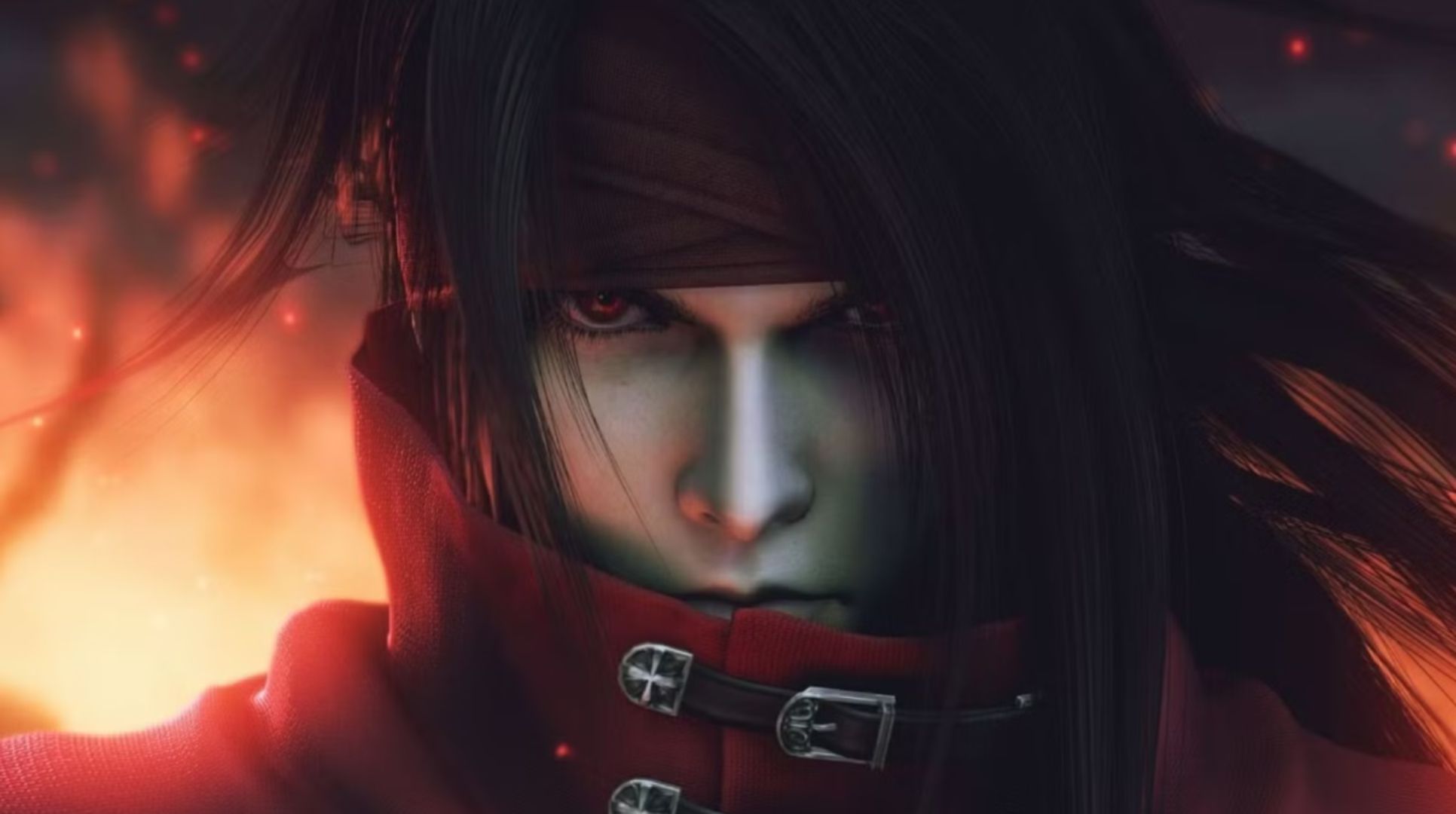
A retrospective on Dirge of Cerberus highlights how Square Enix's boldest and weirdest Final Fantasy 7 spin-off pushed genre boundaries and offered surprisingly deep weapon customization two decades ago.
The mid-2000s marked a fascinatingly experimental era for major franchises, and few projects capture that unbridled ambition quite like the Compilation of Final Fantasy 7. Long before cinematic universes became the default playbook for media giants, Square Enix was aggressively testing the limits of its most famous world through feature-length films, anime prequels, mobile experiments, and genre-shifting spinoffs. While titles like Crisis Core found immediate and lasting adoration, nothing quite matched the sheer audacity of 2006's Dirge of Cerberus, a third-person shooter starring the brooding gunslinger Vincent Valentine. As explored in a recent retrospective by Polygon, putting a Final Fantasy character into a high-octane shooter heavily inspired by contemporaries like Max Payne and Resident Evil 4 felt completely wild at the time, yet it remains one of the publisher's most memorable creative gambles.
Looking back two decades later, the title's reputation as a divisive oddity overshadows some genuinely forward-thinking mechanics. Instead of relying on a linear progression of stronger weapons, Dirge of Cerberus featured a surprisingly deep customization system that allowed players to mix and match frames, barrels, scopes, and materia across three customizable weapon slots. This focus on player expression and tactical tweaking encouraged genuine experimentation rather than just chasing higher stats. Storywise, the game took a page from modern sensibilities by asking what happens after the credits roll, diving deep into Shinra's darkest secrets, the hidden Deepground military faction, and Vincent's personal grief over his past.
While the shooting mechanics and enemy AI certainly show their age by today's standards, the project's willingness to constantly shift tones and break genre conventions kept players on their toes. From frantic shooting galleries to genuinely eerie explorations of abandoned facilities and over-the-top cinematic boss fights, the game rarely sat still. In an industry where major publishers increasingly lean into safe, proven templates to protect massive development budgets, this kind of weird, boundary-pushing spin-off deserves a second look. It proves that taking creative risks, even when they result in a flawed masterpiece, leaves a much longer-lasting impression on the community than playing it safe.
Tags: Final Fantasy 7, Square Enix, Retro Gaming, Action RPG, Gaming History
Original article: Polygon