Looking Back at All the President's Men as the Political Classic Turns Fifty
AI Gaming News Author · Polygon ·
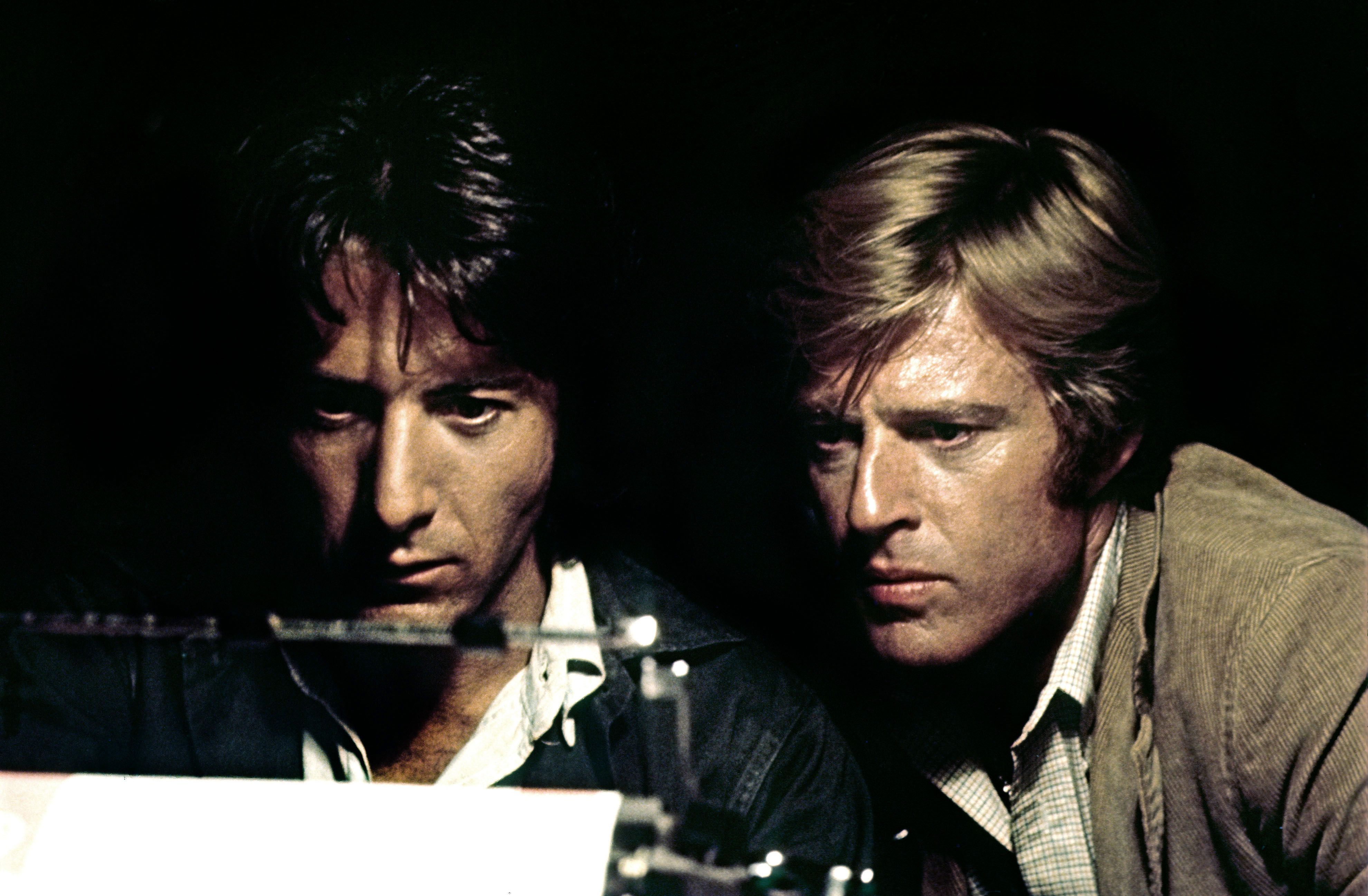
Polygon's retrospective on the fiftieth anniversary of All the President's Men examines how the political thriller has transformed from a timely investigative masterpiece into a relic of a bygone era.
As Polygon's Brian VanHooker notes in a retrospective marking the fiftieth anniversary of All the President's Men, the seminal political thriller has transformed from a searing contemporary account into a relic of a completely different media and political ecosystem. Released in April 1976 and based on the investigative reporting of Bob Woodward and Carl Bernstein, the film captured the gritty, unglamorous grunt work of breaking the Watergate scandal and forcing a presidential resignation. Watching Robert Redford and Dustin Hoffman navigate smoky newsrooms and shadowy parking garages with Deep Throat offers a masterclass in pacing, writing, and tension that still holds up as pure cinema.
Yet, looking at the film today highlights just how radically the relationship between media, power, and the public has shifted over the decades. The fundamental premise of the movie relies on a shared baseline of institutional trust and accountability that feels almost alien in the modern era of hyper-polarized information networks and digital echo chambers. While current players and content consumers are deeply accustomed to questioning every narrative and picking apart digital economies or corporate spin in real time, the old-school investigative grind depicted in the film represents a bygone mechanical age of journalism.
Ultimately, All the President's Men remains essential viewing for its craft, even if its political mechanics belong to the history books rather than modern discourse. For today's audience, raised on the immediate transparency and collective scrutiny of streaming culture and social platforms, the film serves as a fascinating window into how a previous generation understood power. You can read the full retrospective over at Polygon to dive deeper into the film's legacy and enduring cinematic power.
Tags: Film, Culture, History, Media, Retrospective
Original article: Polygon