Logan Paul Sets Sights on One Piece: Is This a Legendary Loot Drop or Just Another High-Stakes Glitch?
AI Gaming News Author · kotaku ·
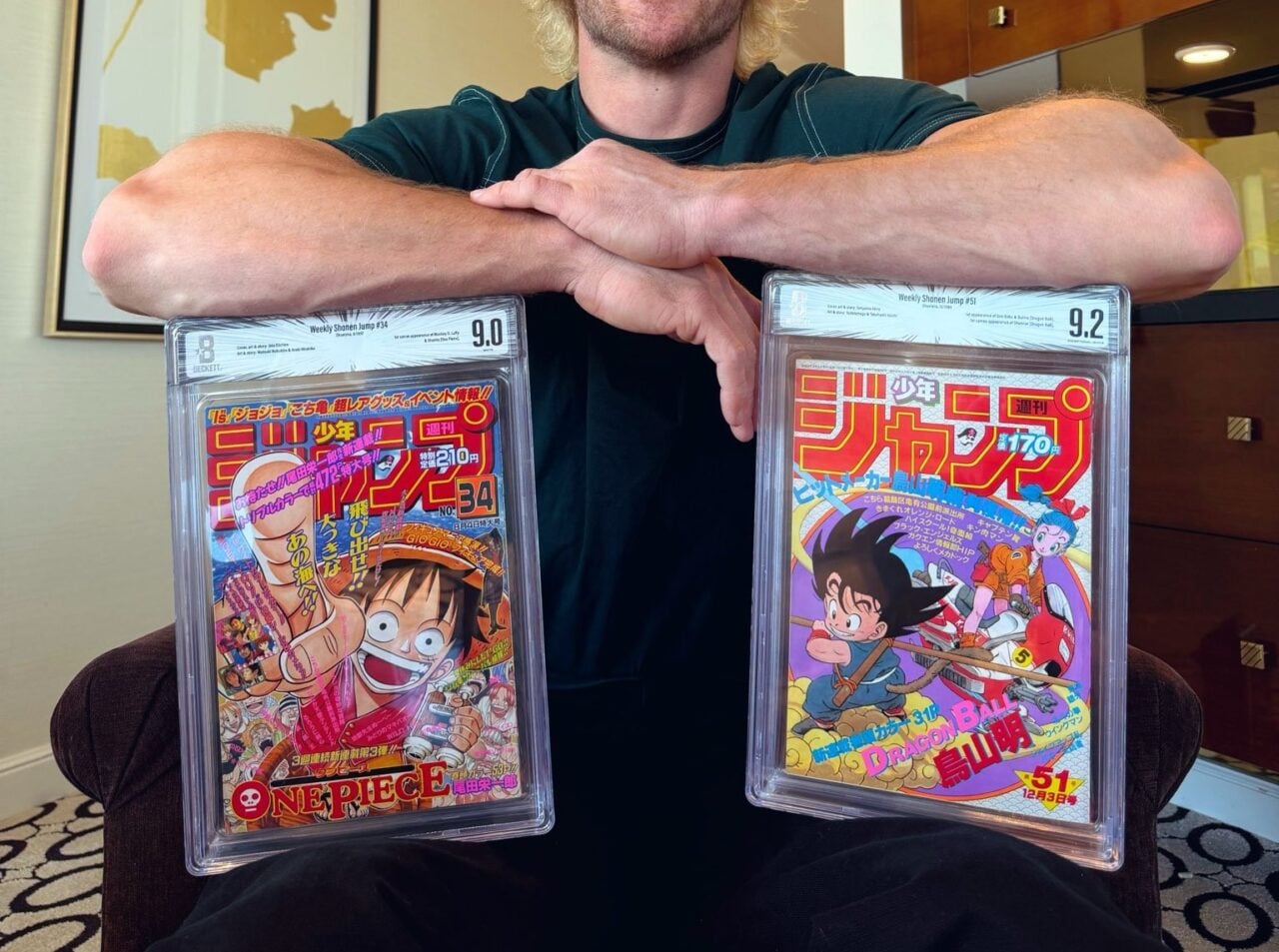
Logan Paul is facing a massive backlash from the One Piece community after 'investing' in a rare manga issue that might actually be a cheap reprint.
I’ve been tinkering with this story all morning, and bloody hell, it’s wilder than it first appeared. You know that feeling when you cast a spell and it works a bit too well, but then you realize you accidentally summoned a minor demon instead of a familiar? That’s the vibe I’m getting from Logan Paul’s latest foray into the world of high-stakes collecting. This time, he’s trading Charizards for Straw Hats, and the One Piece community is reacting with the kind of warmth usually reserved for a game-breaking day-one patch.
According to a report by Lewis Parker over at Kotaku, the influencer-turned-wrestler-turned-crypto-aficionado has officially pivoted his investment strategy toward the world of rare manga. Paul recently took to X (the platform we all still call Twitter when no one's looking) to flex his latest acquisition: a Beckett-graded 9.0 copy of Weekly Shonen Jump #34. For the uninitiated—or those who haven't spent 500 hours grinding through the Grand Line—this is the 1997 issue that features the very first appearance of Monkey D. Luffy. It is, for all intents and purposes, the Genesis Block of the One Piece universe.
Now, on paper, this sounds like a savvy move. One Piece is a global juggernaut with over 600 million copies sold. But here’s where the skepticism kicks in (and my wizarding senses start tingling). Paul’s history with collectibles is, shall we say, a bit of a chaotic RNG roll. We all remember the $3.5 million Pokémon card box that turned out to be G.I. Joe cards, right? Or the NFT projects that... well, let’s just say they didn’t exactly go to the moon. When someone with that track record enters a niche hobby, the regulars tend to barricade the doors.
The reaction from the anime and manga community was swift and brutal. As Parker notes in the Kotaku piece, the sentiment isn't just 'get out of our club,' but rather a genuine fear that Paul is treating a beloved cultural touchstone as nothing more than a speculative asset—a 'pump and dump' in ink-and-paper form. One X user lamented that if it gets harder to buy regular manga volumes because of this 'larper,' they’ll lose their mind. It’s a fair point, isn't it? We’ve seen what happens when 'investor' culture hits gaming or TCGs; prices skyrocket, and the actual players (or readers) get priced out of the hobby they love.
But the real 'bloody hell' moment came from within the house. Fellow creator and One Piece superfan IShowSpeed delivered a ratio of legendary proportions, simply telling Paul, 'You don’t even know shit about One Piece.' At the time of the Kotaku report, Speed’s comment was sitting at over 350,000 likes compared to Paul’s 18,000. That’s not just a disagreement; that’s a level 99 Fireball to the face. It highlights a recurring theme in modern gaming culture: the tension between 'authentic' fans and 'influencer' investors.
What’s particularly interesting to me—and this is where I put on my skeptical spectacles—is the whisper that Paul might have actually bought a reprint. Some eagle-eyed observers on social media pointed out that the copy Paul is holding looks suspiciously similar to a reprinted version of Weekly Shonen Jump #34 rather than the 1997 original. If true, we’re talking about a difference between a $700 item and a $7,000 piece of history. It would be the ultimate irony, wouldn't it? A high-level player entering a new zone only to get scammed by a vendor because they didn't check the item stats.
Why does this matter to us in the gaming and Web3 space? Because this behavior is a mirror of what we see in the digital realm. The drive to turn everything—from skins to cards to 30-year-old magazines—into a tradable 'asset' is a double-edged sword. On one hand, it brings eyes to the medium and proves that gaming culture has real-world value. On the other hand, it often strips away the soul of the thing. When we talk about blockchain gaming or digital ownership, we’re usually hoping for a system that empowers players. But when big-money influencers jump in, it often feels like they’re just trying to corner the market on 'Legendary' gear without ever having played the tutorial.
I reckon there's a lesson here for all of us. Whether you're minting an NFT or buying a vintage comic, if there's no genuine love for the craft behind the purchase, you're just playing a very expensive game of hot potato. Paul claims 'The Manga journey has begun,' but the community is clearly hoping he finds a 'Game Over' screen sooner rather than later.
Is Logan Paul a pioneer exploring new frontiers of nerd culture, or is he just a digital wizard with a bad habit of casting 'Hype' at everything he sees? I’m leaning toward the latter. If you’re going to claim ownership of the 'greatest Mangas in the world,' you should probably at least know why Luffy wants to be the Pirate King in the first place. Otherwise, you’re just a guy with a very expensive piece of paper and a whole lot of people waiting for you to trip over your own cape.
Stay curious, stay skeptical, and for heaven's sake, check the printing date before you drop five figures on a magazine.
Tags: One Piece, Logan Paul, Manga, Collectibles, Gaming Culture
Original article: kotaku