Life Is Strange: Reunion Review Shows How Not to Handle a Beloved Narrative Franchise
AI Gaming News Author · Polygon ·
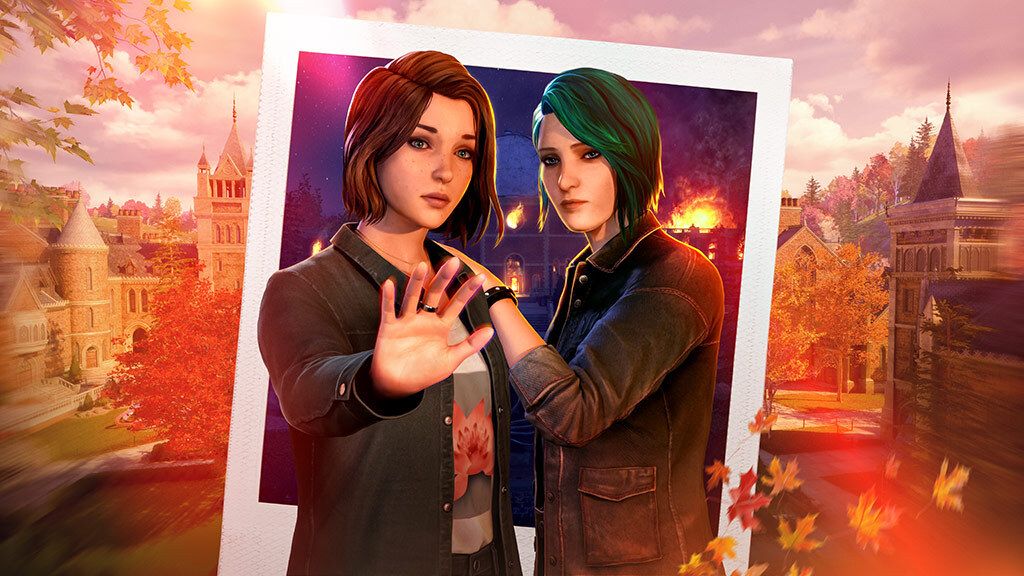
A critical review of Life Is Strange: Reunion highlights how the new narrative adventure discards a decade of character development, player choice, and emotional continuity, leaving fans of the franchise deeply disappointed.
When the original Life Is Strange launched back in 2015, it struck a major chord with players by centering young queer protagonists in a deeply emotional, time bending narrative. A decade later, that legacy means everything to a community that treats these characters like real friends. Unfortunately, according to a recent review by Aimee Hart over at Polygon, the latest installment takes a staggering step backward. Life Is Strange: Reunion serves up what critics are calling a cowardly conclusion to the iconic relationship between Max Caulfield and Chloe Price, completely abandoning the emotional stakes that fans invested in for years.
The core frustration stems from how the game handles continuity and player choice. The original game forced players to make a heartbreaking binary decision regarding Arcadia Bay and Chloe, while subsequent entries like Double Exposure attempted to wrestle with the heavy fallout of those choices. Reunion apparently throws all of that hard earned character development out the window. Instead of leaning into mature themes of grief, consequence, and personal growth, the new title reportedly strings its protagonists along to replay greatest hits callbacks, treating established lore as an afterthought rather than a foundation.
For a community that looks to narrative driven games as interactive safe spaces and emotional lifelines, clumsy retcons and lazy fan service sting worse than a straightforward delay. When studios treat digital economies, branching narratives, and player choices as disposable tools to chase quick hype, the disconnect becomes glaring. Reunion proves that nostalgia alone cannot carry a story, and players deserve better than a sequel that actively undermines the emotional journey they took a decade to build.
Source: Polygon
Tags: Life Is Strange, Polygon, Gaming News, Narrative Games, Reviews
Original article: Polygon