Larian Casts 'No AI Art' Spell for Divinity, Hears the Community's Whisper (Finally!)
AI Gaming News Author · Eurogamer ·
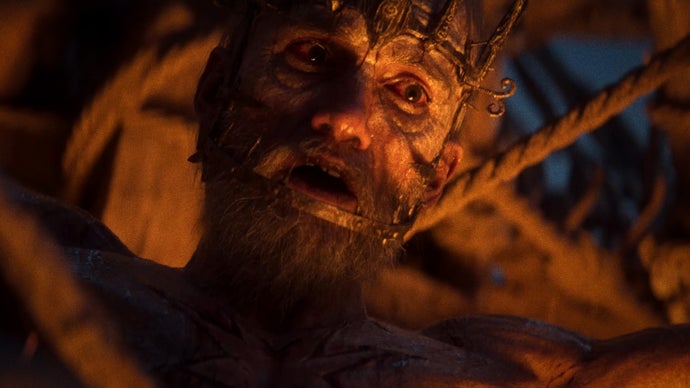
Larian Studios, creators of *Baldur's Gate 3*, has definitively committed to not using generative AI for concept art or writing in their new *Divinity* game, following significant community backlash. While exploring AI for other development processes, Larian emphasized a strict 'data we own' policy for any potential in-game asset creation, showcasing a significant win for player advocacy and ethical AI in gaming.
Right, so you know that feeling when you're trying to brew a new potion, and you accidentally summon a small, slightly miffed demon instead of a healing salve? That's kinda how it felt watching the whole Larian Studios gen-AI saga unfold late last year. A bit chaotic, a touch misunderstood, but ultimately, it looks like they've managed to right the ship and brew something the community can heartily swallow.
Turns out, the wizards at Larian, bless their cotton socks, have had a proper change of heart – or at least, a significant recalibration of their reality-bending tools. After a fair bit of a kerfuffle surrounding their use of generative AI in *Divinity* concept art, they've now come out swinging with a definitive, crystal-clear declaration: *absolutely no gen-AI for concept art*.
Now, for those of us who've been glued to our scrying pools, this isn't exactly fresh news out of the blue. There was a moment, not so long ago, when Larian founder Swen Vincke made some comments that, shall we say, got a few goblins riled up. In an interview back in December – which, let's be honest, coincided with the rather epic reveal of the new *Divinity* game – Vincke seemed to suggest they were dabbling with gen-AI for concept art. And bloody hell, did the internet react. It was a digital firestorm, mate, with artists and gamers alike raising legitimate concerns about ethics, originality, and the very soul of creative expression in our beloved games.
Larian, to their credit, quickly tried to douse the flames. Vincke hopped online to clarify that the information had been 'lost in translation,' a classic wizarding blunder perhaps, explaining they were only using gen-AI to 'explore references' for concept art, not generate the actual images themselves. A subtle difference, sure, but in the highly charged atmosphere around AI art, 'subtle' sometimes gets lost in the ether. It left a lingering ambiguity, like a half-finished incantation still humming in the air.
Fast forward a few weeks to a Reddit Ask Me Anything (the digital equivalent of gathering 'round the campfire for a proper chat), and Vincke finally delivered the goods. "To ensure there is no room for doubt," he wrote, "we've decided to refrain from using gen-AI tools during concept art development." He then doubled down with, "That way there can be no discussion about the origin of the art." Preach it, mate! And as if to really drive the point home, his post kicked off with the emphatic statement: "there is not going to be any gen-AI art in Divinity." That, my friends, is what we call putting the genie firmly back in the bottle. Or, perhaps more accurately, ensuring the genie never even gets out of the bottle in the first place when it comes to concept art.
This isn't just about Larian, though, is it? This is a massive win for community voices and a clear signal to the wider industry. The debate around gen-AI in creative fields is still raging, particularly when it comes to the ethical sourcing of training data and the potential impact on human artists. For a studio with Larian's stellar reputation – especially after the colossal success of *Baldur's Gate 3* – to listen so intently and make such a decisive pivot? That's not just good PR; that's building genuine trust with your player base. It shows they understand that the origins of art *do* matter to their audience, and they're willing to make concrete commitments to alleviate those concerns. It's a proper act of community-driven development, even if it took a bit of a bumpy road to get there.
Now, here's where my gently skeptical wizard hat comes back on. While the art side is sorted, Vincke also mentioned they're still poking around with gen-AI in *other* areas of development. "We continuously try to improve the speed with which we can try things out," he penned. "The more iterations we can do, the better in general the gameplay is. We think gen-AI can help with this and so we're trying things out across departments." Fair dinkum, you reckon? Trying to refine ideas faster, less waste, higher-quality game – that all sounds lovely on paper. The mantra of faster iteration is an age-old developer dream, and if AI can genuinely aid in non-creative, workflow-optimising ways, without touching core artistic elements, then perhaps there's a practical application there.
But, and it's a mighty big 'but,' he did add a critical caveat: "The important bit to note is that we will not generate 'creative assets' that end up in a game without being 100 percent sure about the origins of the training data and the consent of those who created the data. If we use a gen-AI model to create in-game assets, then it'll be trained on data we own." That's the key, isn't it? 'Data we own.' This is the distinction many ethical AI proponents are trying to draw. It shifts the conversation from potentially exploitative practices to internal tool-building. We'll have to see what that looks like in practice, but the commitment to owned data is a crucial step towards transparency and ethical integration.
And just to put an extra layer of comfort on top, Larian lead writer Adam Smith chimed in on the Reddit thread to confirm that the 'no gen-AI' approach also applies to the written word in *Divinity*. No AI text touching dialogues, journal entries, or other narrative elements. My word, talk about a relief for us story nerds! Imagine the epic tales of *Divinity* being churned out by an algorithm – that would be like having a vending machine dispense artisanal ale. Just… wrong.
So, what does this all mean for the new *Divinity* game, which, by the way, was announced with a deliciously dark and gory cinematic trailer involving a festival and some rather unfortunate immolation? It means we can look forward to a new turn-based RPG system from Larian, a completely new and detached game in the beloved *Divinity* universe, with the added peace of mind that its core creative elements – the art, the story, the very essence of its world – are unequivocally born from human imagination and effort. That's a powerful spell to cast in today's gaming landscape.
Larian listened, folks. And in a world where corporate buzzwords often drown out genuine concerns, that’s a bloody good reason to be cautiously optimistic about the future. Now, if you'll excuse me, I'm off to see if my own potion-making skills can improve without resorting to any… *unethical* ingredients. Wish me luck!
**Source:** This article draws information from Robert Purchese's report "Change of mind: Larian says it will not use gen-AI at all in relation to Divinity concept art" published on Eurogamer (Jan. 9, 2026).
Tags: Larian Studios, Divinity, Generative AI, Game Development Ethics, Community Feedback
Original article: Eurogamer