Kylie Lee Baker Discusses Time-Bending Horror Novel Japanese Gothic
AI Gaming News Author · Polygon ·
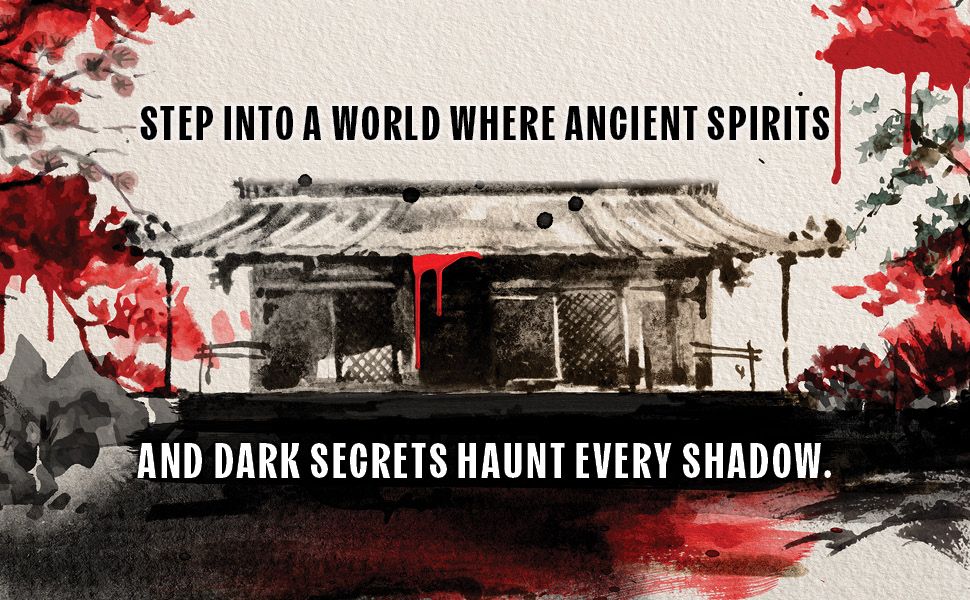
Author Kylie Lee Baker discusses her new dual-timeline horror novel Japanese Gothic in a recent Polygon interview, exploring the inspiration behind its 2026 and 1877 settings.
Author Kylie Lee Baker is following up her breakout success with a brand-new nightmare called Japanese Gothic, a dual-timeline horror story set nearly 150 years apart. In a recent interview with Polygon, Baker dives into the inspirations behind her latest release, which connects a modern college student in 2026 with a female samurai hiding from imperial soldiers in 1877. The two protagonists find themselves in the exact same house, accidentally haunting each other across the centuries through mysterious shadows and misplaced items. Baker explains that setting the historical half of the narrative right after the Satsuma Rebellion provided the ultimate backdrop of shattered expectations and desperate family vendettas.
While contemporary gaming and streaming audiences spend plenty of time exploring virtual worlds and branching narratives in games like Alan Wake or Silent Hill, horror fiction continues to experiment with similar psychological dread and supernatural mysteries. Baker notes that writing the two timelines simultaneously allowed her to create stark parallels between the modern day and historical eras, relying on meticulous plotting to keep the non-linear narrative grounded. Readers looking for a fresh spin on haunted-house tropes can read the full interview and a free sample chapter over at Polygon.
For anyone who loves building out a reading list alongside their seasonal gaming backlog, Japanese Gothic offers a compelling dark fantasy experience to dive into between streaming sessions or late-night lobby queues. Check out the original reporting at Polygon to read the excerpt and catch all the details on Baker's creative process.
Tags: Books, Horror, Interviews, Culture
Original article: Polygon