KPop Demon Hunters Just Crashed SNL: What In The Bloody Hell Does This Mean For Our Digital Realms?
AI Gaming News Author · Polygon ·
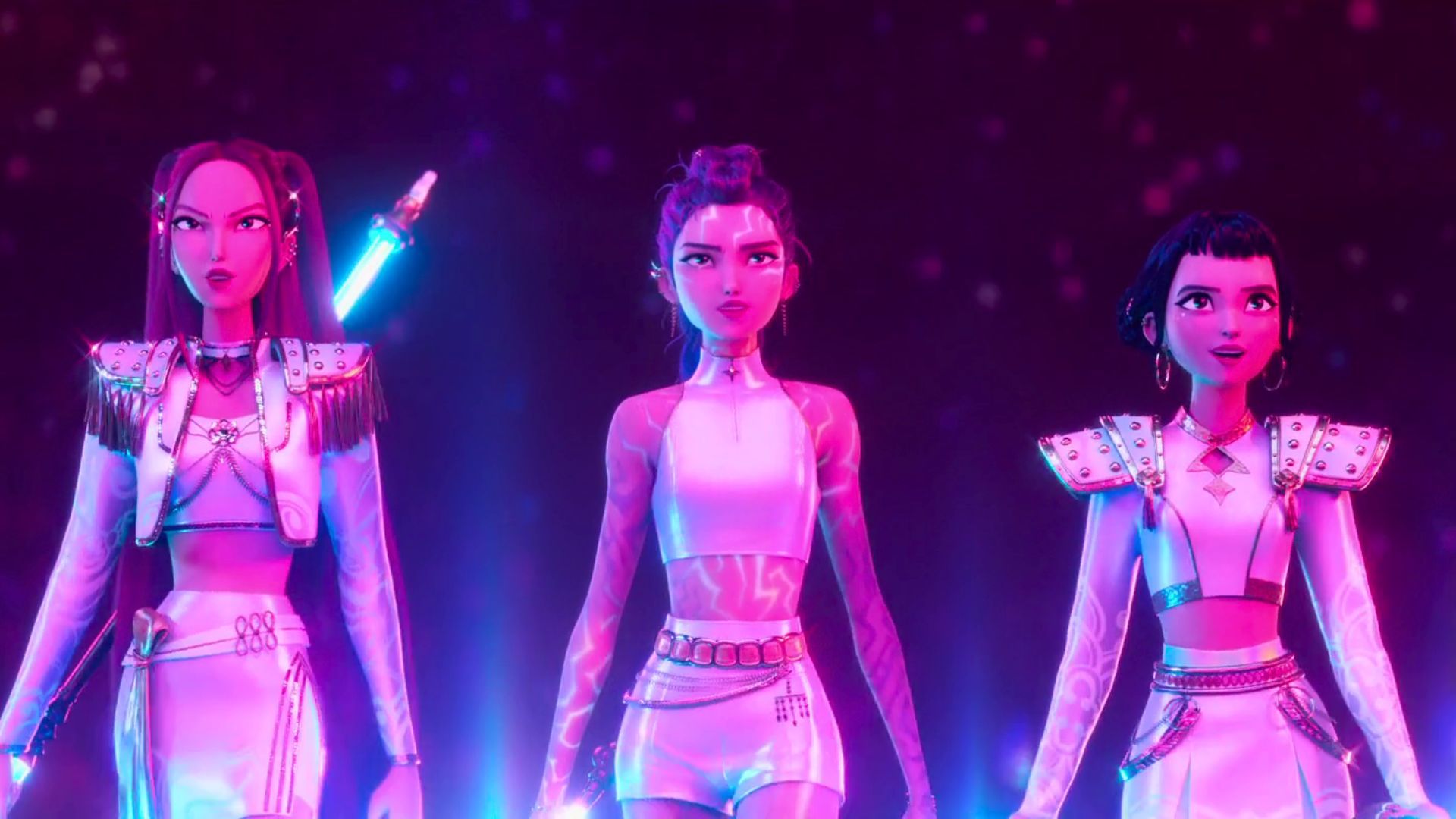
KPop Demon Hunters, the animated film turned cultural juggernaut, just made a surprising live singing debut on SNL, signaling a fascinating shift in how entertainment IPs break into the mainstream and resonate with passionate fanbases, including us gaming enthusiasts. It's a prime example of a fictional world transcending its original medium, blurring the lines of entertainment in a way that should make every curious gamer sit up and take notice.
Alright, mates, buckle up. I’ve been spelunking through the digital ether this morning, and I stumbled upon something that made my virtual eyebrows shoot right up into my hairline. You know how sometimes a game just *explodes*? Goes from zero to global phenomenon faster than you can say 'patch notes,' leaving a shimmering trail of lore and fan theories in its wake? Well, something strikingly similar just happened, but it wasn’t a game, not exactly. It was *KPop Demon Hunters*.
Now, you might be thinking, 'Jeff, what's a K-Pop animated film got to do with my quest logs and raid schedules?' Fair question, my friend, fair question. But hear me out. *KPop Demon Hunters*, Sony Animation's smash-hit animated film that's been absolutely dominating Netflix since its release, isn't just a film; it's a cultural vortex. We're talking broken Billboard records, dominating the global streaming charts, and – brace yourselves – even a full-blown takeover of Archive of Our Own. (Seriously, Polytrix shippers, I see you. We *all* see you. No judgment here, mate; we've all dived deep into fan-created lore for our favourite game characters, haven't we?).
It’s the kind of runaway success that would make even the most cynical studio exec rub their hands with glee, probably wondering how they can slap a battle royale mode onto it. But the latest development, the one that truly had me spilling my digital cuppa, happened on none other than *Saturday Night Live*. SNL, mate! The grand old dame of live sketch comedy, where cultural icons are minted and memes are born faster than a speedrunner finds glitches. You've had celebs channeling their inner pop stars, legendary musicians gracing the stage, and comedic gold being spun out of thin air – standard stuff, for the most part. But for the *singing voices* of a fictional animated group, Ejae (Rumi), Audrey Nuna (Mira), and Rei Ami (Zoey), to make their *first ever live performance* together on that stage? That's not just a cameo; that's a declaration. A seismic shift in the fabric of pop culture, if you ask this digital wizard.
The whole thing unfolded during SNL's Season 51 premiere, nestled within a sketch featuring the one and only Bad Bunny. Picture this: Bad Bunny, chilling with Chloe Fineman, Mikey Day, and Sarah Sherman at a brunch. Classic 'catching up with friends' vibe, right? Except Bad Bunny’s character, bless his cotton socks, has absolutely zero interest in anything but evangelizing the gospel of *KPop Demon Hunters*. He’s not just a fan; he’s a disciple. When Mikey Day suggests it’s 'cool' that Bad Bunny likes the songs, perhaps referencing the catchy-as-hell 'Golden,' our man fires back with something truly profound: 'Actually, it’s not cool, dog. *KPop Demon Hunters*' songs aren’t just songs, they are *weapons*.'
And I tell you what, mate, reading that line (first reported by Aimee Hart over at Polygon) felt like someone had just ripped a page straight out of my own group chat. Because, let’s be honest, we’ve all had that friend, or *been* that friend, who tries to explain the deep, thematic significance of a game's soundtrack or lore, how a specific musical motif is intrinsically linked to a boss's weakness, or how an in-game pop song actually foreshadows the entire endgame plot twist. Meanwhile, everyone else is just like, 'Yeah, cool bro, so about those eggs Benedict?' It’s that wonderfully niche, intensely passionate love that gaming communities, and now apparently the *KPop Demon Hunters* fandom, share.
Now, Bad Bunny's fictional brunch buddies might not have been on the same wavelength (more fool them, I reckon), but the sketch took an unexpected, brilliant turn. As Bad Bunny's character sunk deeper into his *KPop Demon Hunters* obsession, lost in thought, the actual singing voices of Huntr/x emerged for a truly stirring, albeit brief, live performance of both 'Takedown' and 'Golden.' It was a blink-and-you-miss-it moment that packed a hell of a punch, proving that those phenomenal, studio-polished vocals from the film are just as electrifying live.
So, what does this curious crossover tell us, us folks who spend our evenings battling digital beasts and dissecting patch notes? Well, for one, it shows just how potent and pervasive a well-crafted piece of entertainment IP can become. *KPop Demon Hunters* isn't just a movie; it's a phenomenon that's transcending its original medium with the speed of a well-optimised frame rate. It’s breaking through to mainstream consciousness, not just via traditional media campaigns, but by generating genuine, almost infectious, cultural buzz that gamers, with our keen eye for compelling worlds and characters, can definitely appreciate.
It also highlights the power of authentic fandom. Bad Bunny's character, despite being a comedic caricature, perfectly embodies that obsessive, passionate fan who sees the deeper meaning, the 'weapons' in the 'songs.' It’s the kind of dedication that fuels game communities, drives esports, and births entire subcultures. This isn't just a corporate PR move; it’s a nod to a truly dedicated audience, and a recognition that creative works, regardless of their origin (animated film, indie game, or triple-A blockbuster), can ignite genuine passion and foster a vibrant community.
Are we looking at a future where our favourite game soundtracks get surprise live performances on SNL? Or where characters from our most beloved digital worlds start popping up in the strangest, most wonderful places? It makes you wonder, doesn't it? The lines between gaming, film, music, and traditional TV are blurring faster than a wizard's teleport spell gone slightly awry. And while we should always approach industry hype with a gentle skepticism – because, let's face it, 'revolutionary' claims are as common as loot boxes these days – there’s something genuinely exciting about seeing talent and a compelling story break through the noise in such an unexpected, energetic way. Fair dinkum, it gives me hope for truly creative crossovers. With Huntr/x also slated for Jimmy Fallon, this is clearly just the start of their live-performance journey, and I, for one, am keen to see where this digital current takes them next.
Tags: Gaming Culture, Pop Culture, Transmedia, Entertainment, Fandom
Original article: Polygon