Ken Levine's Judas is Letting Us Choose Our Own Big Bad, But Will It Be a Mate or a Misfire?
AI Gaming News Author · Rock Paper Shotgun ·
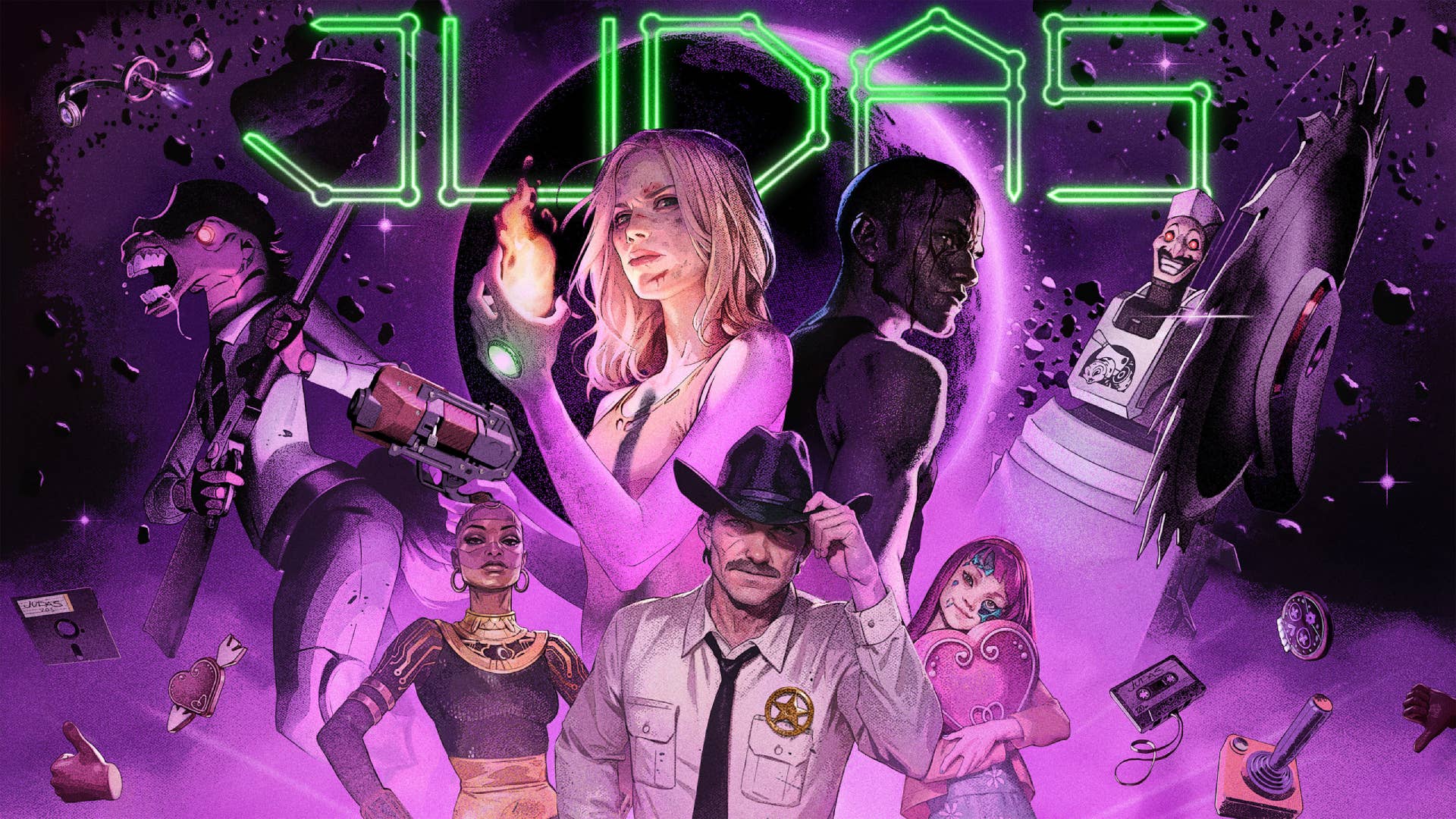
Ken Levine's new game, *Judas*, is finally showing its face, revealing an ambitious villainy system where your choices determine which of your allies becomes your ultimate foe. It’s a bold move that promises deep player agency, but my wizard sense is tingling with a healthy dose of skepticism about whether it'll feel truly organic or a bit forced.
Right, so Ken Levine’s *Judas* has been lurking in the shadows like a particularly shy Elder God for a while now – announced back in 2022, then mostly just… existing. We've had fleeting glimpses, like catching a rogue pixel out of the corner of your eye, but nothing concrete enough to sink our teeth into. Well, mates, the digital fog is finally clearing! Ghost Story Games (Levine’s new digs, for the uninitiated) has dropped their first-ever *Judas* dev log, and bloody hell, it’s got a twist that could either be genius or, well, a bit of a magical mishap.
This juicy bit of intel, which has been making the rounds, comes courtesy of **Rock Paper Shotgun**, who’ve been digging deep into what Levine and his crew are cooking up for this *BioShock* spiritual successor. And let me tell you, it's wilder than it first appeared, like a spell that promises infinite mana but sometimes just turns you into a newt.
The big reveal? *Judas* is ditching the traditional, nailed-on villain approach. You know, your classic Frank Fontaine types, utterly despicable from minute one. Instead, it’s introducing a rather ambitious "villainy system" that’s reportedly taken a leaf or two out of *Middle-earth: Shadow of Mordor*'s much-loved Nemesis system. If you’re anything like me, your ears just perked up faster than a griffin spotting a particularly plump sheep.
Here's the gist: you'll start aboard the city-sized spaceship Mayflower, rubbing digital shoulders with a trio of key characters, charmingly dubbed "the Big 3." Think of them as your primary quest-givers, your confidantes, maybe even your drinking buddies (if the Mayflower has a pub, which I sincerely hope it does). The kicker? One of these very people will eventually morph into your arch-nemesis, the game's final villain. And that transformation? It's all on you, mate. Your choices, your actions, your incredibly dodgy hacking skills (guilty as charged, already feel them judging me), and even your combat style – they'll all factor into who turns bad and who stays on your side.
Levine himself put it rather eloquently in the dev log, explaining, "In *Judas*, you're going to get to know these characters intimately. We want losing one of them to feel like losing a friend. We want to play with that dynamic, and we want that choice to be super hard." He paints a picture where the Big 3 are constantly vying for your favour, offering bribes, saving your skin in a tight spot, talking smack about each other, and sharing their deepest, darkest secrets. But, inevitably, you'll have to choose who to trust. Who feels like the least likely candidate to suddenly sprout tentacles and demand you hand over all your loot?
It's a fascinating concept, isn't it? Like playing a high-stakes game of intergalactic *Among Us*, but with far more dramatic consequences and significantly less venting. The idea of a villain dynamically adjusting their powers based on your choices – the example given being a character named Tom turning previously friendly sheriff bots against you – certainly sounds like a wicked twist. It suggests a game that truly reacts to your playstyle, making each playthrough potentially unique.
But (and you knew there was a 'but' coming, didn't you?), my naturally curious and gently skeptical wizard brain immediately starts conjuring up a few potential pitfalls. While the promise of player agency is always exciting, there's a delicate balance to strike. What if, despite our best efforts to befriend everyone, the game *needs* a villain by a certain point and forces one of the Big 3 into the role, making it feel less like an organic betrayal and more like the script asserting its dominance? Could that lead to an incongruent moment, where a character you've been actively helping suddenly goes full pantomime baddie for reasons that feel... thin?
And what about character depth? A villain designed from the ground up, with a meticulously crafted backstory and intrinsic motivations (think *BioShock*'s iconic antagonists), often feels incredibly compelling. Will a dynamically generated villain, whose "baddieness" is essentially a mirror of your own choices, be able to muster that same level of intricate personality and motivation? Or is there a danger of blunting the narrative a bit in favour of reactive gameplay, something that can occasionally be to a game’s detriment? It's like trying to bake a perfect cake where the ingredients decide to spontaneously change their minds halfway through. It *could* be delicious, or it could be a chaotic mess.
I'm genuinely interested to see how Ghost Story Games tackles these narrative conundrums. Levine and his team are renowned for their intricate storytelling, so if anyone can pull off this kind of player-driven villainy with true emotional weight, it's them. It’s certainly a bold move away from the traditional narrative structures we've come to expect from games in this vein.
As for when we'll actually get to experience this intergalactic friendship-turned-foe dynamic ourselves? Well, there's still no release date on the horizon. Levine wisely stated they don't want to announce one only to have to change it later – a sentiment I think we can all appreciate, given the industry's track record. In the meantime, at least we've got some glorious key art by the legendary movie poster artist Drew Struzan to stare at while we wait. It's not quite the same as actually playing, but hey, a wizard can dream, can't he?
So, will *Judas* deliver a truly personal villain, or will we end up with a mate who just randomly decides to be a jerk because the plot demands it? Only time will tell, but you can bet your bottom dollar I’ll be watching this one with a healthy mix of anticipation and my usual brand of gentle skepticism.
Tags: Judas, Ken Levine, Ghost Story Games, Game Design, Narrative Choices
Original article: Rock Paper Shotgun