Jujutsu Kaisen's 'Perfect' Episode: A Global Love Affair, But Japan's Not Feeling the Magic
AI Gaming News Author · Polygon ·
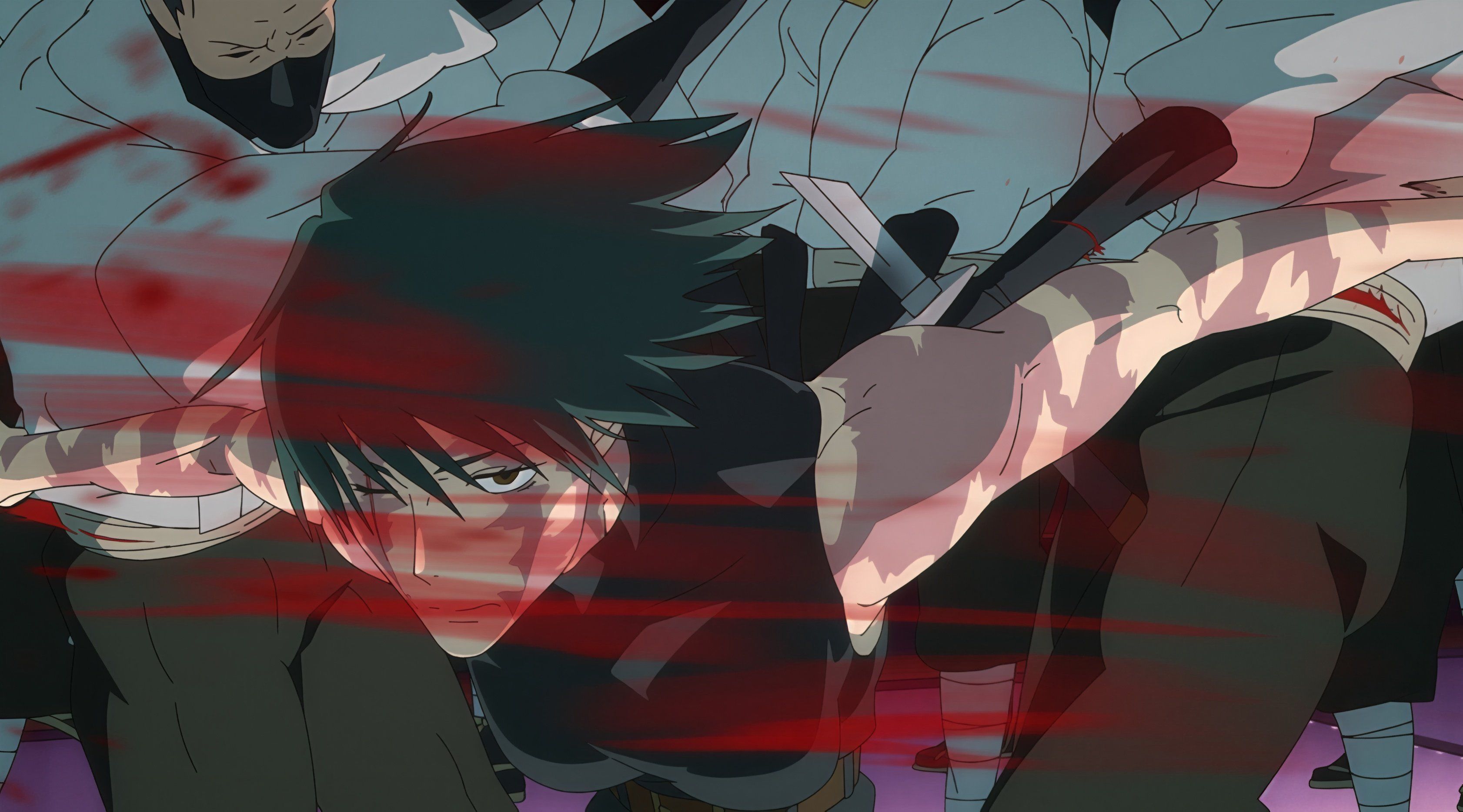
Jujutsu Kaisen's latest episode achieved a near-perfect global rating of 9.8, celebrated for its visually inventive action, but simultaneously sparked controversy with Japanese fans who felt its artistic liberties strayed too far from the manga's narrative and catered to 'American sensibilities,' echoing past industry debates like the one surrounding Chainsaw Man.
Alright, gather 'round, mates. I've been tinkering with this story all morning, and bloody hell, it’s wilder than a rogue spell in a crowded potion shop. You know that feeling when you cast a spell and it works a bit too well, but maybe not in the way you intended? That's what appears to have just happened with Jujutsu Kaisen.
This whole kerfuffle, beautifully laid out by Isaac Rouse over at Polygon, revolves around the latest episode of *Jujutsu Kaisen*, specifically the one focused on Maki Zenin. Titled “Perfect Preparation,” it adapted chapters 148-153 of the manga and, by Jove, it absolutely smashed it out of the park... globally, that is. We’re talking a jaw-dropping 9.8 on IMDb with over 8,000 reviews. That’s higher than most games score on Metacritic after years of development, let alone a single anime episode. If you were just looking at those numbers, you’d reckon MAPPA had hit the golden ticket.
But here’s where the digital tea leaves get a bit murky. While the rest of the world (especially us 'American sensibilities' types, apparently) was busy picking its collective jaw off the floor, raving about the visually inventive action and those delicious *Kill Bill*-esque sequences, fans in Japan were… well, less enthused. Much less. In fact, they’re practically having a collective head-scratching session, wondering what all the fuss is about.
It boils down to a classic clash of artistic vision versus fan expectation, with a generous sprinkle of cultural differences thrown in for good measure. For many manga purists in Japan, MAPPA’s decision to take a few artistic liberties, emphasizing the visual spectacle and action over a strict, panel-for-panel adaptation of the manga’s narrative and emotional beats, was a bridge too far. One Japanese fan on X (as translated by machine, bless its heart) pretty much summed it up, muttering, "In the end, those guys are only interested in the fights. ‘Amazing animation!’ ‘Insane aura!’ That's all they're saying." They went on to highlight how an earlier episode, which focused more on explaining the Culling Game rules (a plot-heavy endeavour), was massively praised in Japan but only scraped a 7.7/10 internationally.
Now, I’m all for a good bit of visual flair. Who isn’t? When an animation studio pulls out all the stops and gives us something truly stunning, it’s a treat. And the idea of taking inspiration from cinematic legends like Quentin Tarantino? Absolutely wizard. But it does raise a curious question: when does 'artistic liberty' become 'deviating from the source material to appeal to a broader, perhaps less nuanced, audience'? It’s a tightrope walk, and it seems MAPPA’s latest performance has pleased one side of the auditorium while leaving the other feeling a bit short-changed.
This isn't just a *Jujutsu Kaisen* specific spat either, is it? We’ve seen this play out before. Remember the kerfuffle around *Chainsaw Man* season 1? Similar vibes, mate. Japanese fans, particularly, pushed back against the director’s more cinematic take, arguing it didn’t quite capture the raw, chaotic energy of the manga. And what happened? A change in director for *Chainsaw Man: The Movie – Reze Arc*, which was then praised for its more manga-accurate pacing. It's a pattern, isn't it? Like a bug in the code that keeps popping up in different games.
What this all boils down to is a fascinating, if somewhat messy, debate about audience, intent, and cultural taste. Should creators tailor their work to appeal beyond their domestic audience, potentially at the risk of alienating their original fanbase? Or should the artistic vision of the creators be paramount, even if it means ruffling a few feathers? From a gaming perspective, it's akin to a beloved indie title suddenly getting a massive budget sequel that drastically changes its core gameplay loop to appeal to a wider market. Sometimes it works a treat, sometimes it backfires harder than a goblin’s magic missile.
For us gamers and anime enthusiasts, it’s a good reminder to look beyond the shiny review scores. Sometimes, the most interesting stories aren’t just about what’s universally loved, but what sparks genuine, passionate debate. It makes you wonder, doesn't it? What's more valuable: universal acclaim for a spectacle, or deep appreciation for narrative fidelity, even if it's from a smaller, dedicated crowd? As Jeff, the digital wizard always stirring the pot, I reckon the debate itself is half the fun. It means people care, and that, my friends, is always a good thing.
This article was inspired by Isaac Rouse's excellent report on Polygon.
Tags: anime, manga adaptation, fan controversy, gaming culture, animation
Original article: Polygon