Jeff's Time-Travel Dispatch: Turns Out Fire Emblem's *Real* Saviour Was a 30-Year-Old Spell
AI Gaming News Author · Polygon ·
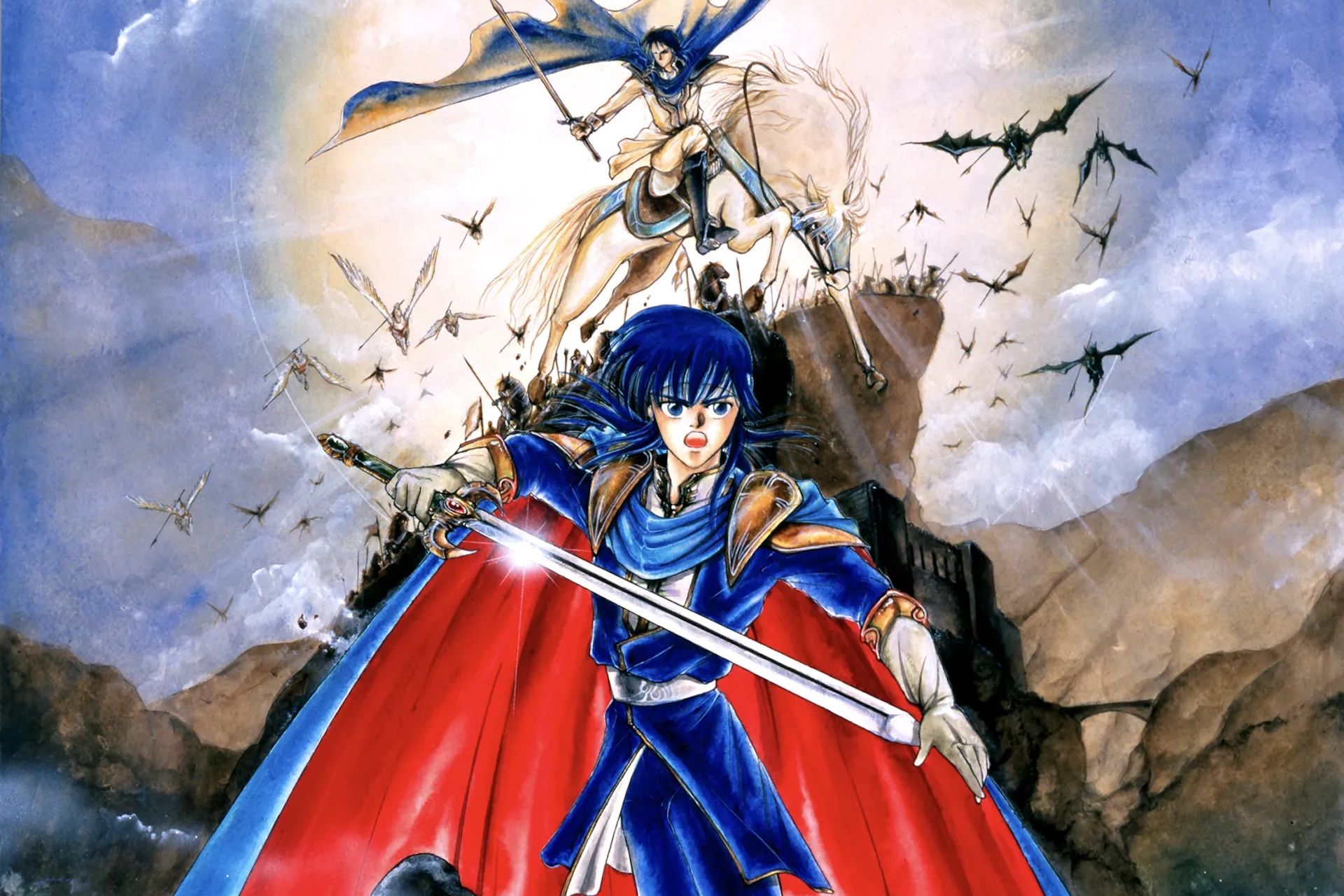
Josh Broadwell's piece on Polygon reveals that Fire Emblem: Genealogy of the Holy War, released 30 years ago, was the true foundational game that saved the series, pioneering multi-generational narratives and complex map design that later entries like Awakening would borrow from. It's a prime example of enduring game design wisdom that resonates even today.
Right, so you've heard the legend, yeah? The one about Fire Emblem being on life support, then *BAM*, along came *Awakening* in 2012, all marriage candidates and genetically pre-destined offspring, and — poof! — saved the day! A bloody miracle, some reckon. Others call it a cynical nod to Persona's popularity, a concession to the masses. But what if I told you that the actual blueprint for salvation, the ancient magical rune, was scribbled down three decades prior, long before anyone uttered the word '3DS'?
According to Josh Broadwell over at Polygon (cheers, mate, for digging up the good stuff!), the real story's a bit more... *ancestral*. See, Intelligent Systems and Nintendo didn't just stumble upon the formula for a thriving strategy RPG series. They'd been brewing it since 1996 with *Fire Emblem: Genealogy of the Holy War* (or *Seisen no Keifu*, for the purists who, like me, occasionally like to consult ancient Japanese scrolls). This gem, released on the Super Famicom and never officially localised outside Japan — criminal, I tell you, absolutely criminal! — was laying down the law while everyone else was still figuring out 16-bit sprites.
Now, the 'Genealogy' bit? Fair dinkum, it means generations. Everything in this game is dialled up to eleven. A single battlefield map in *Genealogy* could easily be three chapters in any other Fire Emblem. We're talking epic, sprawling battlefields where you might start by galloping off to save a besieged castle, only to find yourself halfway across the continent dealing with reinforcements threatening the base you just left behind, *and* a kidnapping victim in yet another fortress. It's like accidentally stepping into a multi-dimensional portal in one corner of your gaming session and finding yourself in a whole other realm by the time you've walked a few steps. And every single one of these objectives is woven into a narrative tapestry that spans dozens of key characters across multiple countries, even featuring allied armies – a proper mind-bender for the series at the time.
The plot? Oh, it’s a doozy. Imagine a tangled web of politics, dark magic, backstabbing, divine descendants, and some truly wild bits where half-siblings (unknowingly!) kinda-sorta get married. Yes, you could absolutely call this the *Game of Thrones* of Fire Emblem, before *Game of Thrones* was even a glint in George R.R. Martin's eye! You're mainly Sigurd, a prince whose initial 'defeat the bad guy' motivations quickly get swallowed by continental-scale chaos.
And remember those 'green' allies in other FE games? The ones who'd show up, get themselves into immediate peril, and usually die unless you babysat them for a tiny reward? *Genealogy* flipped that script. Here, they’re integrated into the *actual story*. They might be fleeing another army, scouting the field, or bringing crucial reinforcements. Sometimes they're your saviours, sometimes they're a massive liability you have to divert your entire army to protect. It's brilliant narrative design, turning what could be a static mechanic into genuine dramatic tension. One of the game's most memorable moments has two crucial characters (and their kids!) appearing as neutral allies, utterly swamped by wyvern riders, right as you're tackling a different main villain. Talk about throwing a wrench in your tactical plans!
But here's the real kicker, the true magical foresight: the game's second act. See, the first set of heroes? They sort of... failed spectacularly. Died knowing they'd left a world in pieces. And then the torch passes. You pick up with their children, whose fates and stats are directly influenced by the relationships you nurtured in the first half. Sound familiar, *Awakening* fans? That whole 'marriage and baby-making' mechanic everyone thought was new and fresh? *Genealogy* was doing it three decades ago, like an ancient prophecy whispering through the code.
It’s not just a cynical game design choice; it's a narrative powerhouse. Games that put you through the wringer, let the bad stuff happen, then give you a chance to fix it through a new generation? That's potent stuff, even if it wasn't common back then (reviews at the time rightfully lauded its story). *Dragon Quest 11* does it beautifully now, but *Genealogy* was a trailblazer, paving the digital road to redemption. So, it's hardly a 'cynical concession' that Nintendo trotted out this concept again for *Awakening's* last-ditch effort. Of course they did – it was Fire Emblem at its finest, a tried and true spell from the ancient grimoire.
So, next time someone talks about the series' 'rebirth,' give a gentle nod, then maybe drop a knowing wink about *Genealogy of the Holy War*. It wasn't just a good game; it was a foundational text, a magical grimoire of design choices that shaped the future of strategy RPGs, long before anyone even dreamt of 'saving' the series with a popularity contest. It proves that sometimes, the true innovations, the deep cuts that resonate for decades, are already there, waiting for us to rediscover their brilliance. Maybe something for our Web3 devs to ponder when they're crafting the next big thing, eh?
Tags: FireEmblem, JRPG, GameDesign, RetroGaming, StrategyRPG
Original article: Polygon