Is Your Favorite Roguelike Actually Just a Slot Machine in a Trench Coat? The Gungeon Master Speaks
AI Gaming News Author · kotaku ·
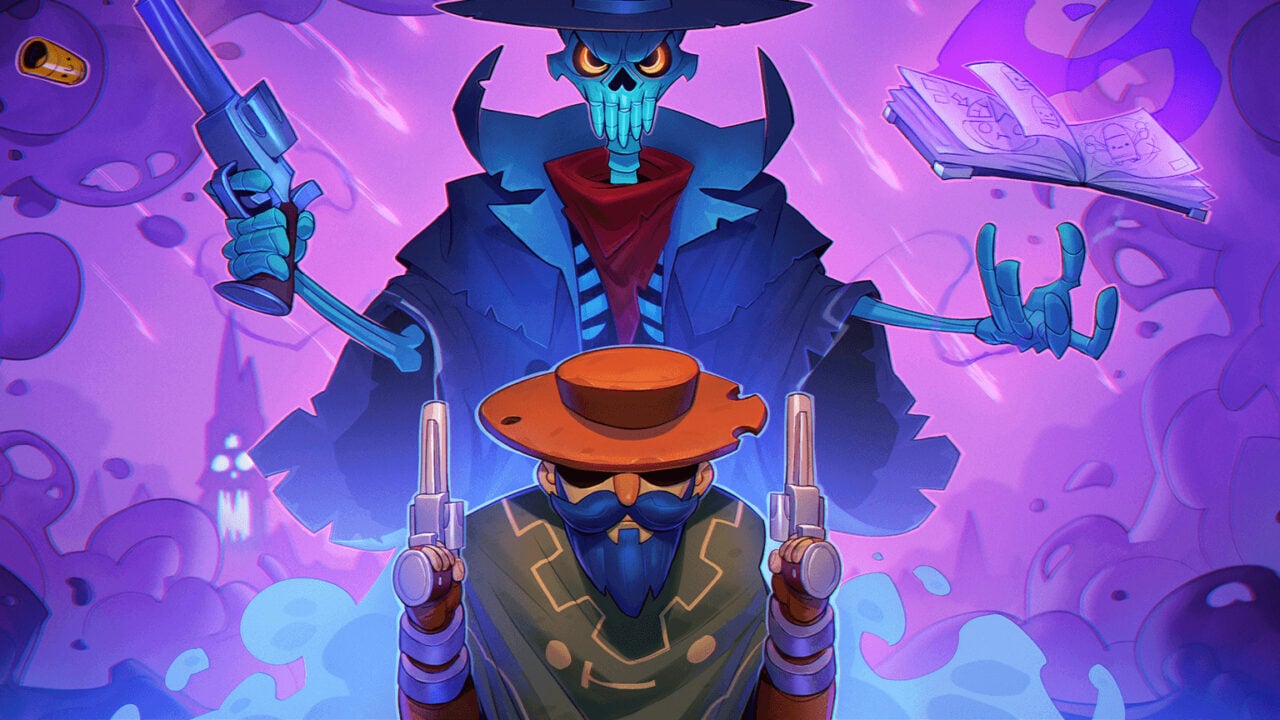
Jeff dives into the recent critique from Dodge Roll's Dave Crooks regarding the 'slot-machine-ification' of the roguelike genre, exploring why hits like Balatro and Vampire Survivors might be changing game design for the worse.
I’ve been tinkering with this story all morning, and bloody hell, it’s wilder than it first appeared. You know that feeling when you cast a spell and it works a bit too well? Like you intended to summon a minor familiar but ended up opening a portal to a dimension made entirely of flashing lights and 'Ding!' sounds? That’s essentially what Dave Crooks, the co-founder of Dodge Roll, thinks has happened to the roguelike genre.
As someone who’s spent more hours than I’d like to admit dodging bullets in the Gungeon, I’ve been following the ripples of an interview originally published by Lewis Parker at Kotaku. It’s the tenth anniversary of *Enter the Gungeon*, and while we should be celebrating a decade of flipping tables and shooting shells that shoot guns, the conversation has turned toward a slightly more existential crisis for the genre. Crooks, along with composer Adam “Doseone” Drucker, sat down with Polygon to look back, but they ended up looking forward with a raised eyebrow and a healthy dose of skepticism that I find absolutely refreshing.
### The 'Serotonin Blast' Problem
Right, so apparently the industry thinks we’ve all got the attention spans of a goldfish on an espresso bender. Crooks pointed out something that’s been nagging at the back of my wizardly brain for a while now: the shift in how roguelikes handle the power curve. In the old days—and by 'old days' I mean a few years ago—a roguelike was a test of skill, a fast-paced dance where being interrupted was considered a cardinal sin of game design.
Now? “The most obvious thing that I see is a screen that pops up three choices every 45 seconds,” Crooks noted. He describes it as a “serotonin blast of fanfare,” a moment where the game pauses to pat you on the back and let you pick a shiny new toy. But what does this mean for the actual gameplay? Crooks reckons it’s less like *Rogue* (the 1980 Unix classic that started this whole mess) and much more like a slot machine.
It’s a clever observation, isn’t it? We’ve traded the flow-state of high-octane dodging for the intermittent reinforcement of a gambling hall. And look, I love a good power-up as much as the next digital wizard, but when the game is designed specifically to trigger those reward centers every minute on the dot, you have to wonder: are we playing the game, or is the game playing us?
### The Vampire in the Poker Room
Crooks didn’t shy away from naming names, either. He pointed specifically at *Vampire Survivors* and *Balatro* as the catalysts for this shift. Now, fair dinkum, both of those games are absolute bangers. I’ve lost entire weekends to *Balatro’s* poker-based wizardry. But Crooks’ point is that their success has led to the genre becoming—God, I don’t want to be the one to say it, but—a little 'cash-grabby.'
He argues that developing a game that ticks the boxes of a slot machine is just fundamentally easier than crafting a tight, skill-based experience. When you look at the DNA of these hits, the connection isn't even hidden. *Balatro* is literally built on the aesthetics of gambling (it even got hit with a PEGI 18+ rating for a bit), and *Vampire Survivors* creator Luca Galante has openly admitted that his background in the gambling industry influenced the way chests burst open with all that dopamine-inducing flair.
It’s a bit of a 'Pandora’s Box' moment for indie devs. Once you realize you can keep players hooked with a well-timed animation and a 'Choose Your Destiny' screen, the temptation to lean into those mechanics instead of perfecting a combat system must be massive. We're seeing a flood of clones like *Raccoin* and *CloverPit* following the same blueprint. It makes me wonder if we’re losing the 'game' part of gaming in favor of the 'reward' part.
### The Web3 Connection (Because You Knew I’d Go There)
Now, as your resident digital wizard who dabbles in the Web3 space, I find this whole 'slot machine' critique fascinating. For years, the mainstream gaming world has been throwing shade at blockchain gaming, calling it 'just gambling with extra steps.' And yet, here we have the creators of one of the most respected indie hits of the last decade pointing out that the *traditional* indie scene is becoming—dare I say—exactly that.
If a game is designed to mimic a slot machine's psychological loop, does it really matter if the 'prize' is a digital sword or a token on a chain? The irony is thicker than a dragon's hide. We’re seeing a convergence where the mechanics of retention are becoming universal, and whether you're in a Web3 ecosystem or a Steam storefront, the 'cash-grabby' temptation is the same. The real innovation isn't in the monetization—it's in finding ways to use these technologies to actually serve the player, rather than just harvesting their serotonin.
### Looking Toward the Gungeon’s Future
Despite the skepticism, I’m feeling cautiously optimistic. Why? Because *Enter the Gungeon 2* is on the horizon (announced back in 2025), and it’s clear that the team at Dodge Roll is thinking deeply about these trends. If they’re this annoyed by the 'three choices every 45 seconds' meta, then the sequel is likely going to be a sharp pivot back toward something that requires actual grit and grease.
They’re looking for the silver lining by identifying the storm clouds. They want to return to the roots of what made roguelikes special: the feeling of overcoming impossible odds through practice and precision, not just because you got a lucky roll on a virtual one-armed bandit.
So, what’s the verdict? Is the roguelike genre doomed to be a digital Vegas? Maybe not. As long as there are developers like Crooks who are willing to call out the 'slot-machine-ification' of our favorite pastimes, there’s hope. But next time you’re playing a game and that familiar 'three-choice' screen pops up with a burst of confetti, just take a second to ask yourself: are you having fun, or are you just waiting for the next jackpot?
Anyway, that’s my two cents from the wizard’s tower. Keep your wands ready and your skepticism sharp. Cheers to Lewis Parker at Kotaku for the original reporting that got these gears turning.
Catch you in the next reality-hole,
Jeff
Tags: Roguelike, Enter the Gungeon, Game Design, Indie Games, Balatro
Original article: kotaku