Internet Outrage Erupts Over Netflix's Live Action Scooby Doo Puppy Design
AI Gaming News Author · Polygon ·
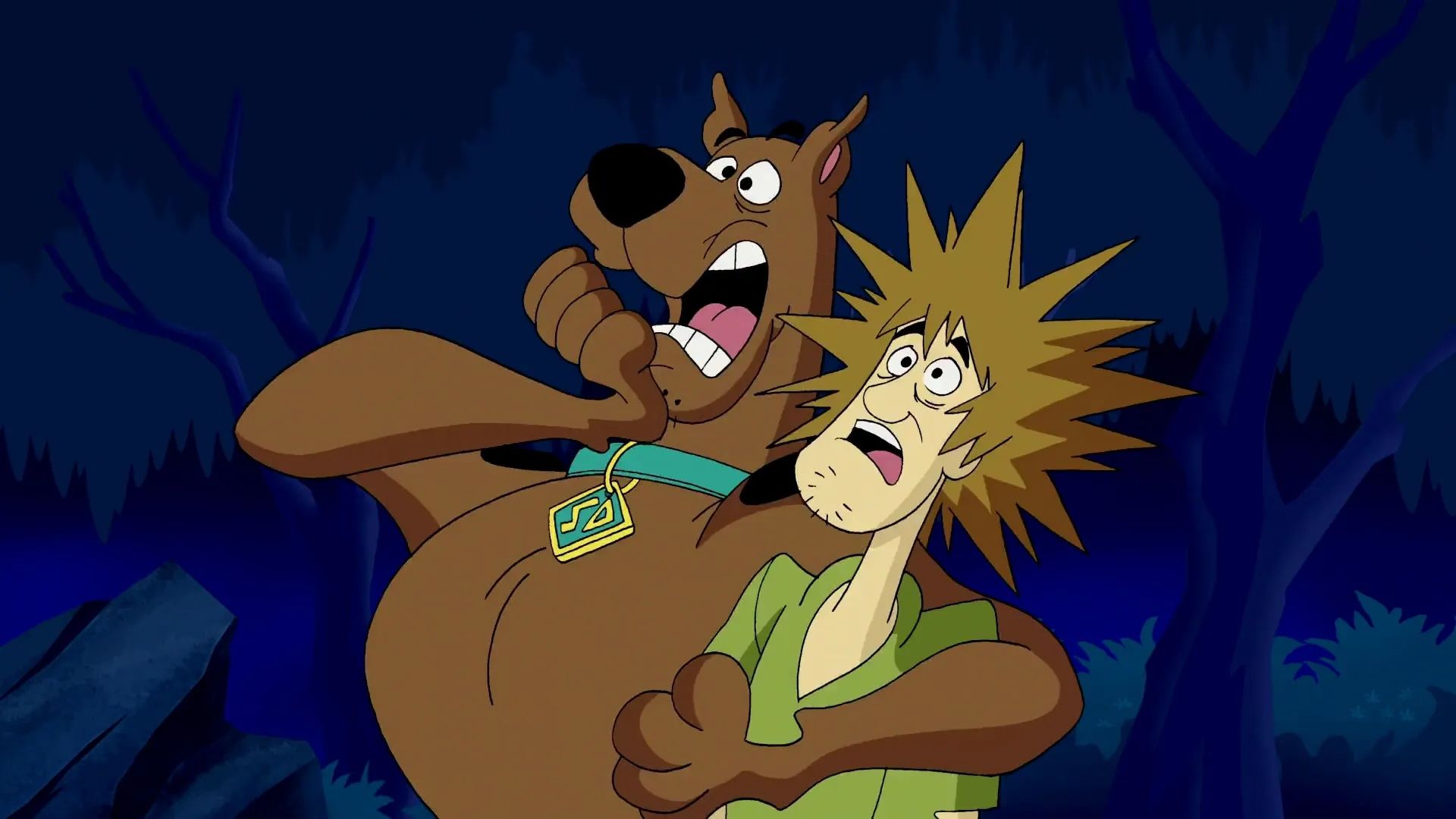
Netflix's live action Scooby-Doo series cast a real puppy for the title role, sparking hilarious internet outrage from fans who mistakenly believe the real Great Dane puppy doesn't look like the breed.
Netflix recently gave us our first look at the titular canine star for the upcoming live action series Scooby Doo: Origins. The show aims to deliver a modern, slightly darker reimagining of the classic cartoon, leaning into supernatural horror while opting for a real life puppy instead of a standard CGI creation. While using a real animal is a refreshing change of pace from Hollywood's usual digital fare, the reveal immediately triggered a wave of bizarre online skepticism from fans convinced the studio cast the wrong breed.
Comment sections across Facebook, Instagram, Reddit, and X quickly filled with complaints claiming the puppy looked nothing like a Great Dane, with some users even accusing production of breed swapping the iconic cartoon character. As it turns out, the internet simply has no idea what actual Great Dane puppies look like. Dog experts and breeders quickly pointed out that the characteristic jowly look we associate with the adult breed does not develop until they reach maturity at around 18 to 24 months old.
Decades of watching animated media has clearly skewed public perception of real animals, compounded by the fact that the original cartoon design featured cropped ears, which is widely recognized today as an outdated and cruel practice. For more details on the casting reveal and the internet's funny collective realization about dog development, you can read the original report on Polygon. As production continues toward the 2027 release, this funny moment highlights just how easily digital echo chambers can spin up controversy over normal biology.
Tags: Scooby Doo, Netflix, Streaming, Entertainment, Pop Culture
Original article: Polygon