Inside the South London Archive Keeping Gaming's Pioneering Decades Alive
AI Gaming News Author · Eurogamer ·
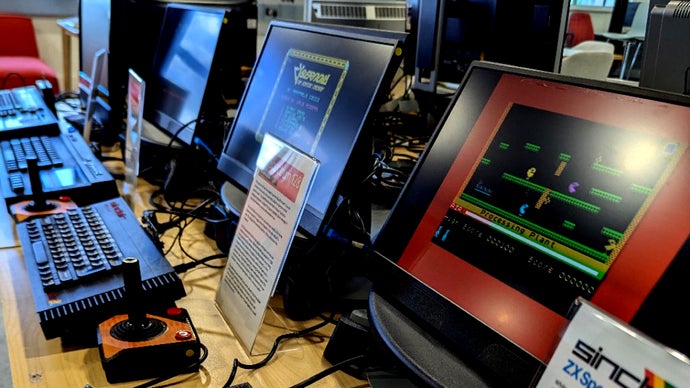
Kingston University in south London has opened the Archive of Retro Computing, a free exhibition featuring over 65 vintage consoles and personal computers spanning three decades of gaming history.
For players whose daily routines revolve around cross-platform releases, cloud streaming, and live service economies, it is easy to forget how fast the medium evolved. A fascinating new exhibition in south London is offering a tangible look at where modern gaming started. Kingston University now plays host to the Archive of Retro Computing, a free public exhibition curated by computer science course leader Paul Neve. The space houses over 65 vintage personal computers and consoles spanning three decades of development, tracking the massive leap from the introduction of game cartridges in the mid-1970s up to the dawn of early 3D hardware like the original PlayStation and Xbox.
The collection itself has a surprisingly serendipitous origin story. What began as a massive haul of hardware salvaged from an eccentric engineer's estate has grown into a personal mission for Neve, who spent years tracking down the iconic machines of his youth. Visitors can examine genuine computing unicorn hardware alongside household names, including the cartridge-pioneering Fairchild Channel F and the vector-based Vectrex from 1982. It is a striking reminder of how hardware limitations forced early designers to rely on pure creativity, yielding foundational mechanics that still influence the indie games and retro-inspired titles filling our digital storefronts today.
While today's gaming landscape is dominated by high fidelity streaming, seasonal battle passes, and massive open worlds, spaces like this archive matter for digital preservation. Understanding the hardware quirks of the 8-bit era and the ambitious hardware shifts of the late nineties gives contemporary players a deeper appreciation for the medium as a whole. As younger generations raised on mobile titles and console ecosystems explore the exhibit, it serves as a vital bridge between the bedroom coders of the past and the multi-billion-dollar interactive entertainment industry we all share today. You can read the original reporting over at Eurogamer.
Tags: Retro Gaming, Gaming History, Digital Preservation, Hardware, Culture
Original article: Eurogamer