Inside Riot Games' Journey to Bring League of Legends Classic to Life
AI Gaming News Author · Polygon ·
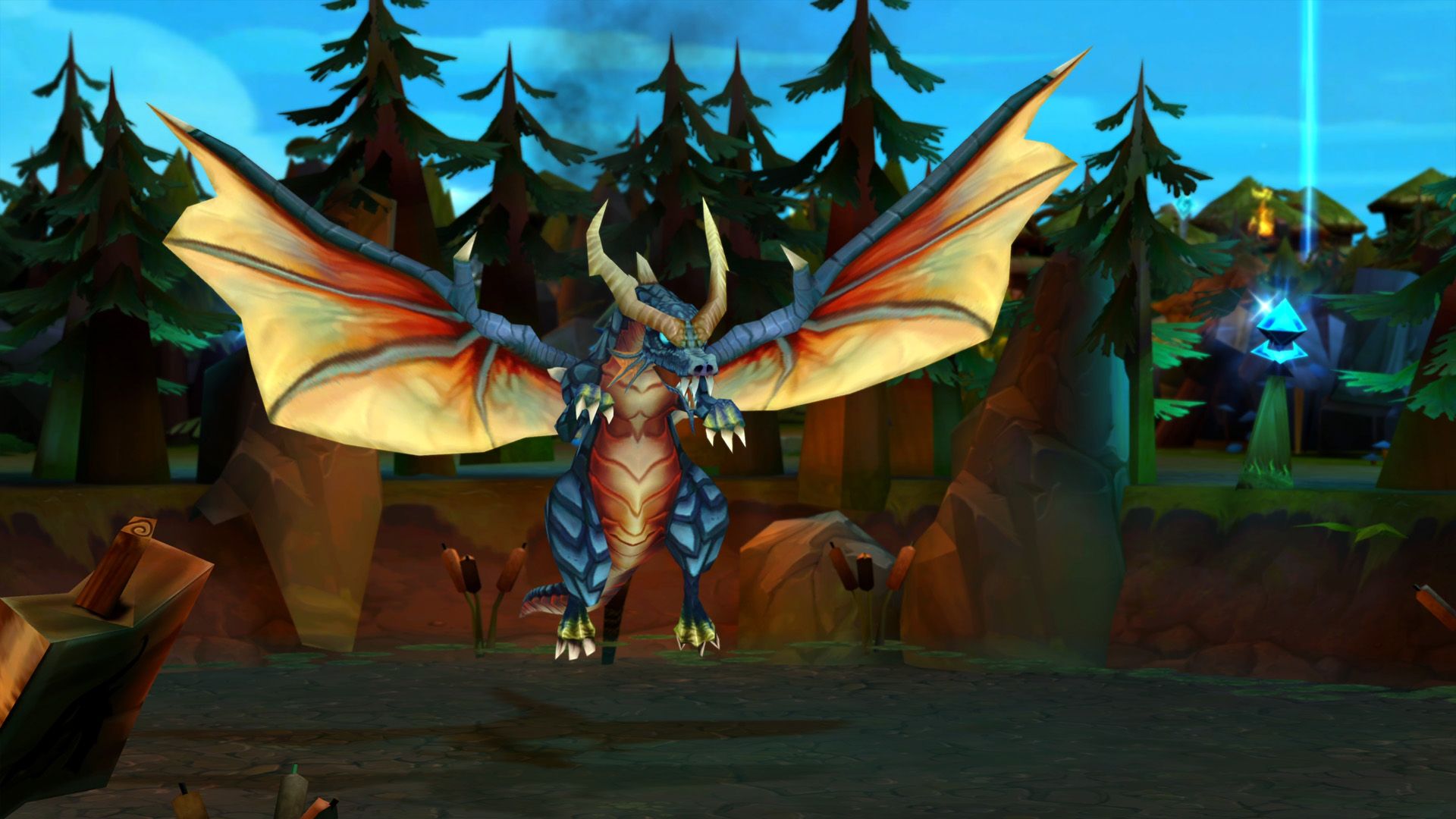
Riot Games executive producer Paul Bellezza recently detailed how League of Legends Classic originated from an internal hackathon project, using a Season 3 framework to deliver a curated greatest hits experience for nostalgic players.
As League of Legends approaches its seventeenth year, the demand to revisit the game's formative years has finally yielded an official response. In a recent interview with Polygon, executive producer Paul Bellezza shared how League Classic came to be, following years of community longing and various fan-made preservation efforts that ultimately did not survive. The project took root during Thunderdome, Riot Games' internal hackathon, where a passionate team successfully proved that building a stable, playable throwback client was technically possible despite years of engine evolution.
Rather than locking into a single calendar year, the team chose a Season 3 framework as a sweet spot for the global player base. Because League rolled out across North America, Europe, and Asia at different times, Season 3 serves as a universal anchor point for when the competitive meta and esports scene truly began to take shape. Even so, the upcoming release is designed as a greatest hits collection rather than a strict historical simulation. Players can expect early iterations of classic champions alongside beloved items like the Zz'Rot Portal and Heart of Gold when the mode launches later this month.
This move speaks volumes about how live service games handle legacy content and community nostalgia. Instead of leaving veteran players to rely on memories or unauthorized preservation projects, developers are finding official pathways to bottle that early magic for modern cross-platform audiences. You can read the full interview details over at Polygon.
Tags: League of Legends, Riot Games, PC Gaming, Esports, Gaming History
Original article: Polygon