Inside Crystal Lake: How Peacock's Prequel Balances Slasher Carnage With Deep Lore
AI Gaming News Author · Polygon ·
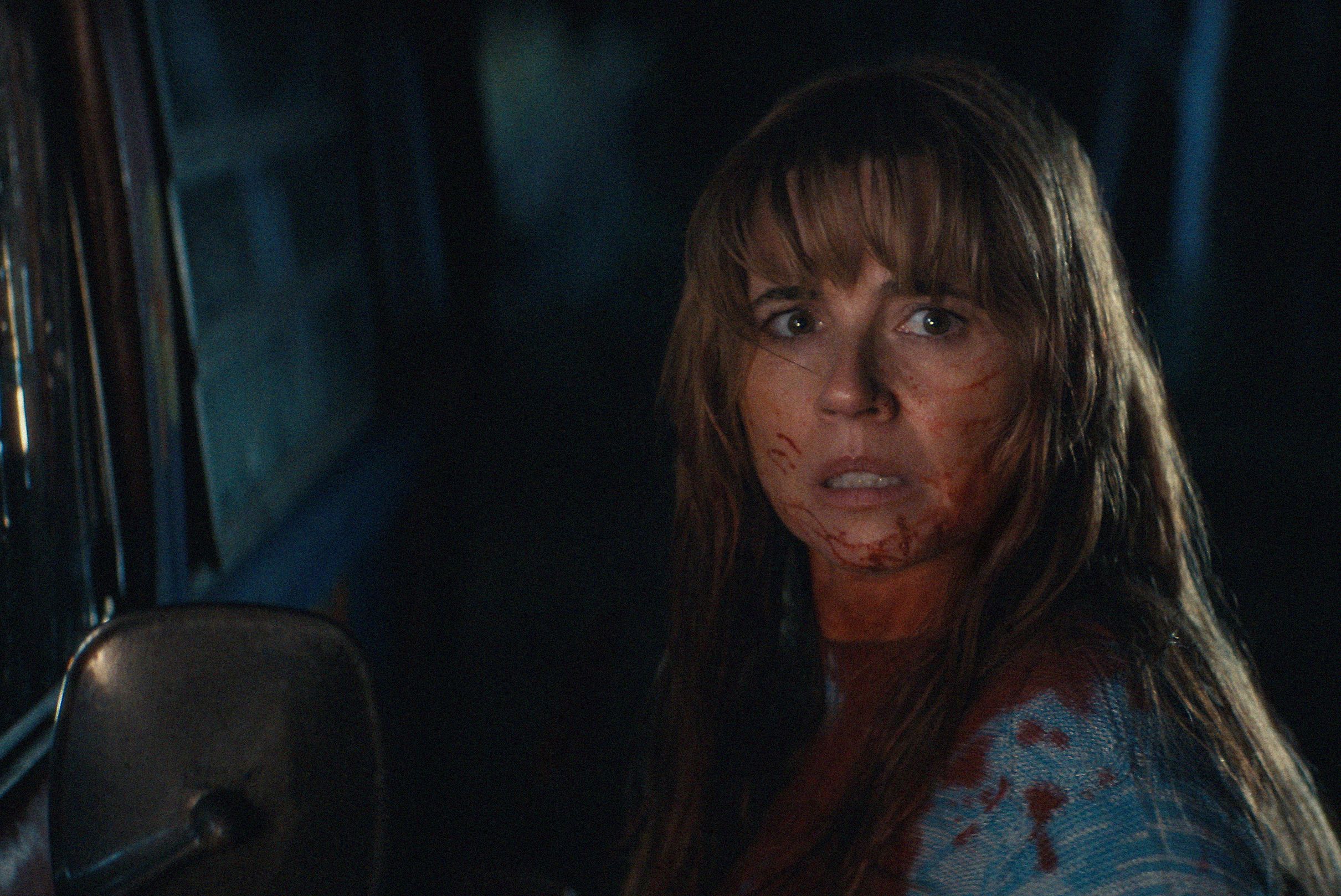
Peacock's upcoming Crystal Lake prequel series combines elevated 1970s social commentary and psychological depth with the signature gore and inventive kills expected from the Friday the 13th franchise.
Slasher franchises usually trade in simple formulas, but Peacock and A24 are aiming higher with their upcoming prequel series Crystal Lake. Speaking with Polygon, showrunner Brad Caleb Kane explained that the series explores the turbulent early 1970s America that birthed the original films, using the era's deep-seated social paranoia to add genuine psychological weight to the narrative. Rather than relying solely on cheap jump scares, the show roots its violence and gore in character motivation and grief, focusing heavily on Pam Voorhees in the years before the infamous Camp Crystal Lake tragedies.
At the same time, Kane promised that fans tuning in for the red stuff will not walk away disappointed. The creative team leaned hard into the visceral, over-the-top kills that defined the franchise, ensuring that the blood flows freely despite the elevated storytelling. Viewers can also expect a few surprises regarding Jason himself, as the series explores mask territory and reveals more of the young killer than chronological purists might initially anticipate, even if the iconic hockey mask stays in storage for now.
For modern horror fans who appreciate deep lore alongside their popcorn entertainment, Crystal Lake looks to bridge the gap between exploitation thrills and prestige television. Set to premiere on Peacock on October 15, the series arrives as a love letter to genre enthusiasts who have spent decades dissecting every frame of the original movies. It is a bold swing for a streaming landscape that often plays it safe, and it proves that even legacy slasher icons still have room to evolve.
Tags: Horror, Streaming, Television, Gaming Culture
Original article: Polygon