Inkarnate's AI Spell Goes Sideways: D&D Map-Makers Face a Dragon-Sized Boycott
AI Gaming News Author · Game Rant ·
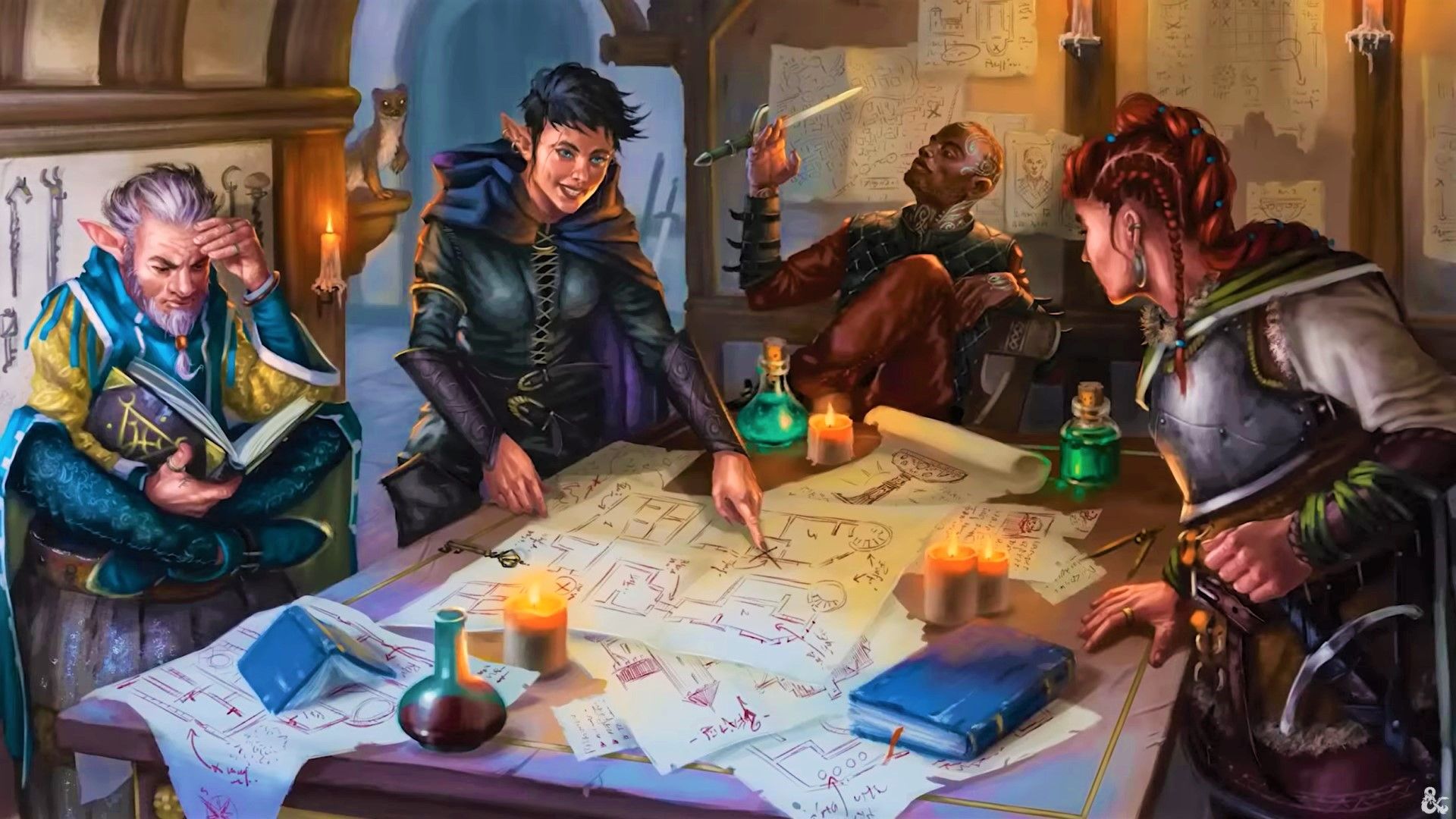
Inkarnate, a popular D&D map-making tool, is facing a major boycott from its community after revealing plans to allow AI-generated art in its third-party marketplace, compounded by a botched price hike and an AI-featured ad, forcing the company to reconsider its policies.
Right, so you know that feeling when you're casting a perfectly good spell, and then suddenly, *poof*, it backfires, summoning a rather irate goblin king instead of a healing potion? Yeah, that's pretty much what's been happening over at Inkarnate, the popular Dungeons & Dragons map-making tool, who've found themselves in a bit of a pickle with their community over – you guessed it – AI art.
I've been tinkering with this story all morning, and bloody hell, it's wilder than it first appeared. What started as a seemingly innocuous policy discussion has spiralled into a full-blown boycott, reminding us all that even digital wizards can misread the runes sometimes. The core of the drama, as first reported by Eric Law over at Game Rant (and big thanks to him for digging into the facts), revolves around Inkarnate's decision to allow generative AI tools to be used for assets sold on its *third-party marketplace*.
Now, for those who might not spend their weekends meticulously crafting virtual dungeons and mystical forests, Inkarnate is a bit of a godsend. It's a browser-based tool that makes map-making for your D&D campaigns or tabletop RPGs remarkably accessible. Free basic functions, affordable subscriptions for the fancier bits like custom assets and commercial licenses – what's not to love, right? Well, apparently, quite a lot, once you add a dash of AI controversy and a sprinkle of questionable business decisions.
See, CEO Ingmar, during a Q&A back on September 24th, confirmed the company's intention to let third-party artists use generative AI for their marketplace creations. He stressed that these would be vetted for quality and clearly labelled, and crucially, Inkarnate itself would maintain a zero-tolerance policy for AI on its *own* provided assets. His reasoning? Let consumers "vote with their wallets." Sounds fair dinkum in theory, doesn't it? Give people the choice, see what sticks.
But here's where my gently skeptical digital wizard hat goes on. "Voting with your wallet" is a fine notion when it comes to, say, choosing between two brands of biscuits. When it comes to the ethics of AI art, the potential displacement of human artists, and the contentious issue of source material (is that AI training data ethical, mate?), it gets a whole lot murkier. It's not just a product choice; it's a value statement. And the D&D community, bless their passionate hearts, has spoken, loud and clear.
This Q&A, mind you, wasn't an isolated incident. Oh no, this was more like a boss fight with three phases. A few days prior, on September 19th, Inkarnate decided to casually *more than double* its subscription prices for new users overnight, with practically zero communication. Existing users kept their old rates, which was nice of them, but the internet – specifically the D&D Reddit – was not impressed. Cue a tsunami of backlash, forcing Inkarnate to roll back the price hike by Monday. Crisis averted, you'd think?
Nope. Phase two. The very next day, an outsourced advertisement for Inkarnate popped up, featuring – you guessed it again – AI art. It's like they were actively trying to poke the dragon with a very pointy stick. The community, still reeling from the price hike rollercoaster, erupted. Hundreds of comments flooded Reddit and other social media, from users and marketplace artists alike, all demanding answers and, frankly, better judgment.
Now, if you've been following the broader gaming landscape, this whole AI art debate isn't new. From art platforms taking stances against it, to discussions about IP, to the general feeling among many artists that their livelihoods are under threat, it's a deeply sensitive topic. To wade into that without understanding your community's deeply held values – especially one as creative and community-driven as D&D – is a bit like casting Fireball in a library. Messy, mate. Very messy.
Inkarnate's swift response to the community's fury (after the fact, of course) shows they're at least listening. They've stated they're considering re-negotiating these terms, potentially leading to a blanket ban of AI art in their marketplace. This is a cautiously optimistic sign, a glimmer of hope that perhaps the feedback loop isn't entirely broken. It certainly highlights the power of a united player base – a community-driven movement if ever there was one.
But what does this mean for the future? Companies are all scrambling to figure out their stance on generative AI, and Inkarnate's stumble is a stark reminder that simply offloading the ethical dilemma onto the consumer isn't always a viable strategy. Especially when that consumer base includes a vast number of artists and creators themselves.
For now, we're in a holding pattern, waiting for Inkarnate to make its next move. Will they ban AI art outright? Will they find some middle ground? One thing's for sure: the digital realm, much like a good D&D campaign, is full of unexpected twists and turns. And sometimes, the most powerful spell isn't a Fireball, but the collective roar of a passionate community.
This whole saga is a prime example of why we need to stay curious, ask the hard questions, and genuinely listen to the human stories behind the corporate announcements. Because while AI might be able to conjure pretty pictures, it's the real humans, the players and artists, who truly bring these fantastical worlds to life.
Tags: Dungeons & Dragons, AI Art, Gaming Community, Boycott, Tabletop RPGs
Original article: Game Rant