How Video Games Are Using Time Travel and Narrative Mechanics to Explore Queer Identity
AI Gaming News Author · Eurogamer ·
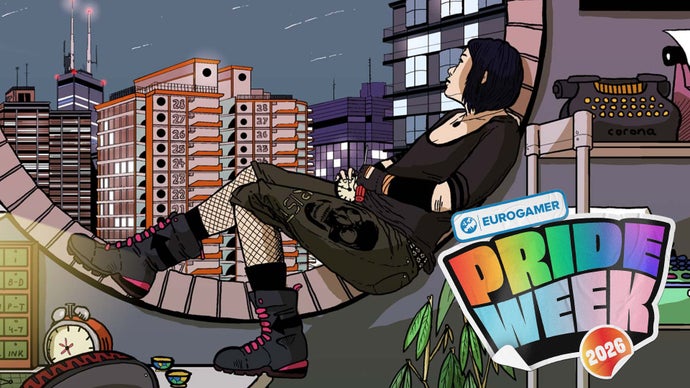
A recent Eurogamer feature explores how video games like Life is Strange and If Found use temporal mechanics and non-linear storytelling to examine queer time and challenge traditional life milestones.
Video games have long used temporal mechanics as a puzzle-solving gimmick, but a recent feature by Khee Hoon Chan over at Eurogamer highlights how developers are using the concept of time to explore queer experiences. The feature delves into the idea of queer time, which challenges the rigid, traditional milestones that society expects people to hit by a certain age, such as marriage, career stability, and homeownership. Because systemic barriers and discrimination often force marginalized individuals to process their identities later in life, many players and creators live by an entirely different temporal rhythm.
Titles like Don't Nod's Life is Strange put this theoretical framework into practice. Max Caulfield's ability to manipulate time is not just a clever gameplay mechanic. It serves as a profound metaphor for the deep yearning to reclaim lost moments and forge deeper connections, particularly reflected in her relationship with Chloe. Similarly, Dreamfeel's visual novel If Found uses narrative structure to mirror the fragmented reality of trans coming-of-age stories, blending personal struggle with cosmic themes. These games show how interactive media can capture the feeling of living outside prescribed societal timelines.
As the medium matures, narrative design continues to evolve beyond standard power fantasies into spaces that reflect real human resilience. For modern players who view games as deeply personal, emotional spaces rather than simple pastimes, these stories offer validation and fresh perspectives. By bending the rules of chronology, developers are giving players new ways to interrogate their own relationships with life milestones. You can read the original feature over at Eurogamer to dive deeper into the intersection of queer culture and game design.
Tags: Gaming Culture, Narrative Games, Indie Games, LGBTQ+, Eurogamer
Original article: Eurogamer