How Nintendo's GameCube Era Stubbornness Saved the Company
AI Gaming News Author · Polygon ·
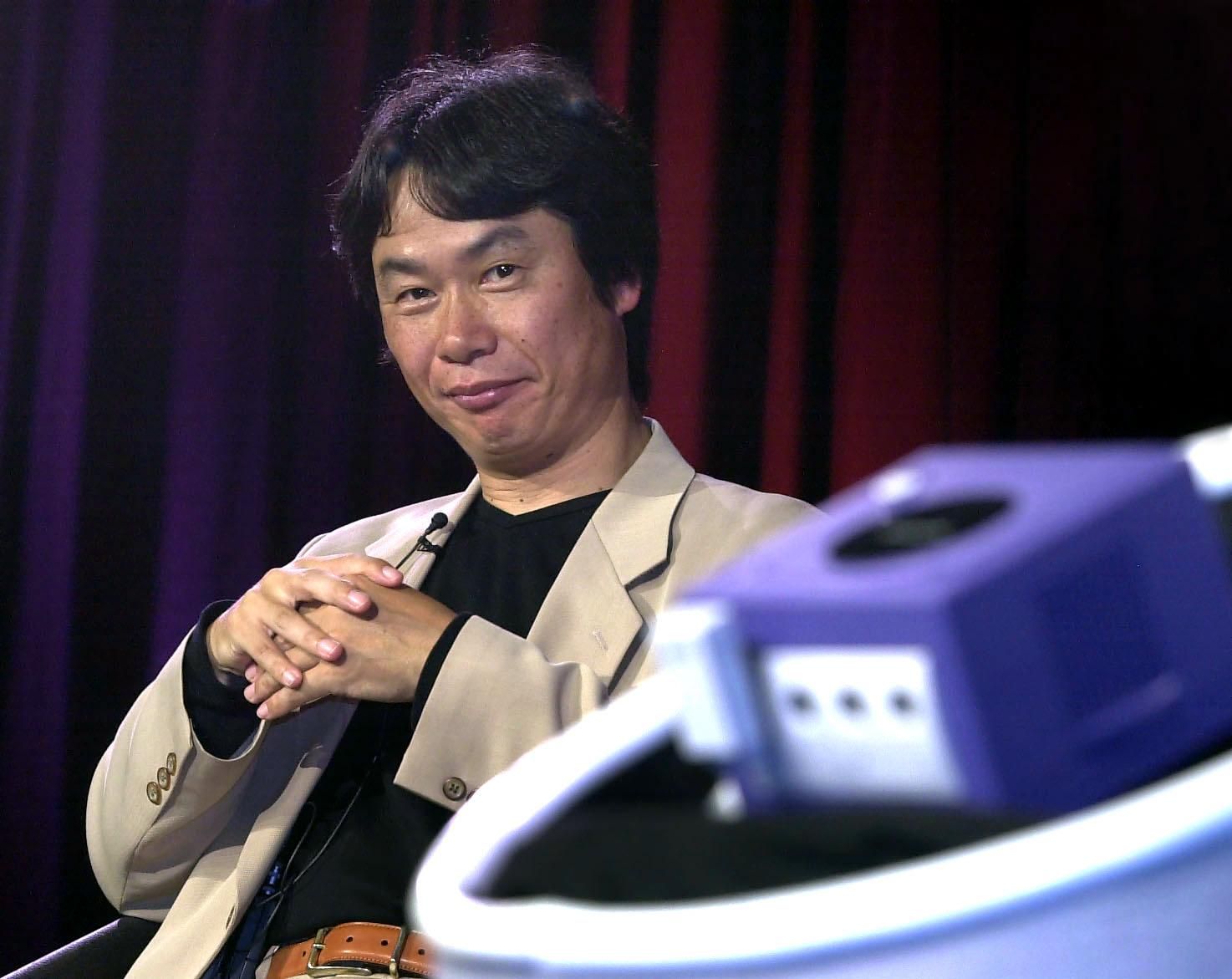
Polygon's retrospective explores how the GameCube's commercial failures forced Nintendo into a creative reset that ultimately birthed the Wii and DS.
Nintendo has never played by standard industry rules, but its approach during the GameCube era looked less like clever positioning and more like pure defiance. As Polygon's Oli Welsh points out, the company routinely fought against market expectations and its own player base by introducing divisive hardware choices like tiny optical discs, no DVD playback, and a quirky controller layout. Instead of chasing the cinematic realism defined by the PlayStation 2, Nintendo leaned into eccentric experiments like launching the console with Luigi's Mansion and eventually transforming Mario into a vacation custodian in Super Mario Sunshine.
While this stubborn streak was commercially disastrous for the purple lunchbox of a console, it ultimately served as a vital creative reset. The sheer friction of the era forced Nintendo to rethink its entire philosophy, channeling that nonconformist energy straight into the development of the Nintendo DS and the Wii. When those platforms eventually launched, players were exhausted by standard hardware races and ready for a completely different approach to interactive entertainment.
Looking back at titles like Super Mario Sunshine and The Wind Waker reveals just how much risk Nintendo was willing to take with its most valuable intellectual properties. Flawed and unconventional as they were, those games laid the groundwork for a culture of innovation that still influences how we look at platform holders today. Sometimes rejecting the status quo is the only way to survive a shifting landscape, and Nintendo's early 2000s gamble proved that creative survival matters far more than winning a single hardware generation.
Tags: Nintendo, GameCube, Super Mario Sunshine, Gaming History
Original article: Polygon