How Jurassic Park Paved the Way for Dragonheart to Change Fantasy Forever
AI Gaming News Author · Polygon ·
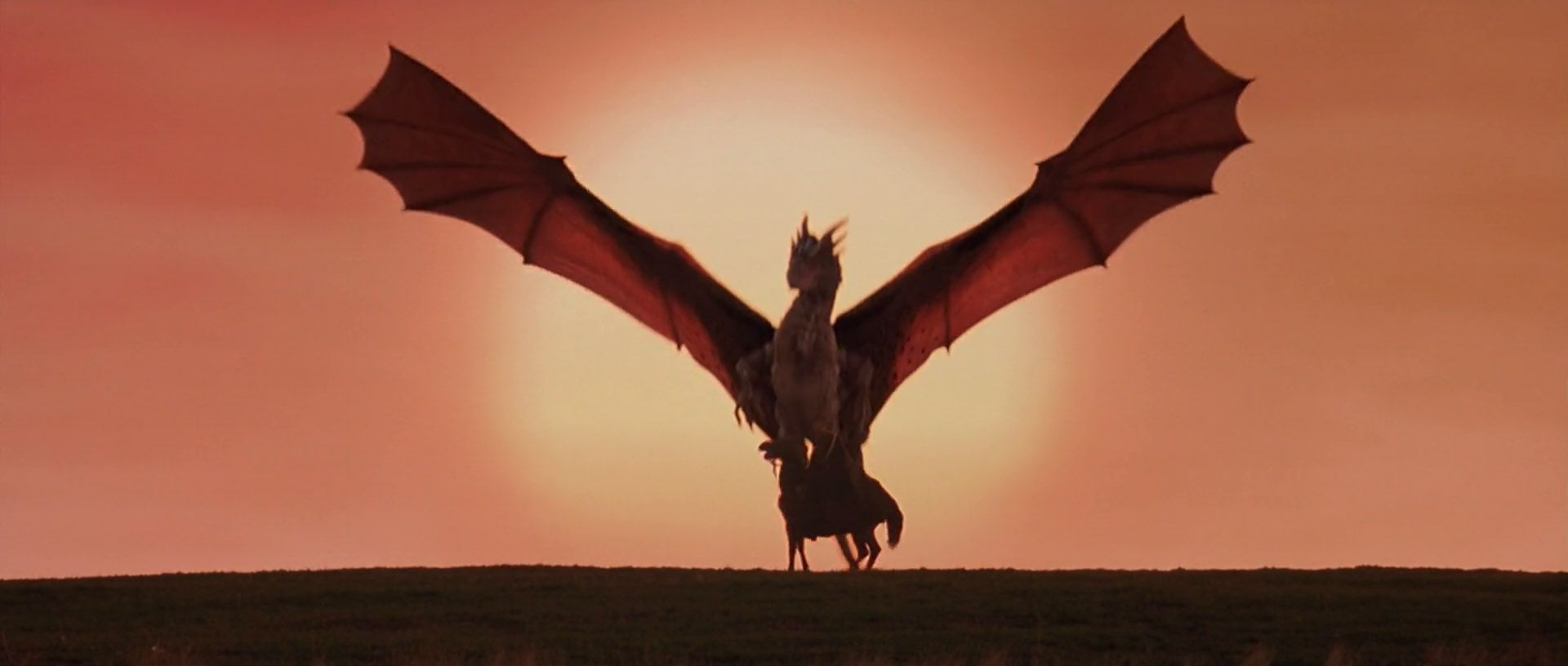
A retrospective on the 1996 fantasy film Dragonheart examines how it utilized the technological breakthroughs of Jurassic Park to redefine digital characters and fantasy storytelling.
When Steven Spielberg released Jurassic Park in 1993, the film industry changed overnight by proving that computer-generated creatures could share the screen with live actors through a groundbreaking mix of CGI and practical effects. While that prehistoric blockbuster launched a massive sci-fi franchise, its technical DNA quickly crossed over into other genres. Writing at Polygon, Aimee Hart explores how the 1996 fantasy epic Dragonheart used those same technological leaps to redefine how mythological creatures could be brought to life on screen.
Before Dragonheart arrived, cinematic dragons were typically treated as mindless beasts for heroes to vanquish rather than fully realized characters with emotional depth. Universal Pictures faced immense hurdles trying to visualize the project on a limited budget, initially turning to Jim Henson's Creature Shop for practical animatronics before pivoting. The resulting film delivered a fully rendered digital companion in Draco, voiced by Sean Connery, whose expressive personality and deep bond with Dennis Quaid's character set a new benchmark for fantasy storytelling.
For today's players and entertainment fans who grew up alongside massive digital world-building, high-end character animation, and complex narrative companions, Dragonheart remains a vital milestone. It bridged the gap between old-school practical effects and modern digital artistry, creating a blueprint for the character-driven fantasy worlds we explore in games and cinema today. You can read the original retrospective over at Polygon.
Tags: Entertainment, Film History, Fantasy, Polygon, Digital Animation
Original article: Polygon