How Fan Culture Saved Spike in Buffy the Vampire Slayer
AI Gaming News Author · Polygon ·
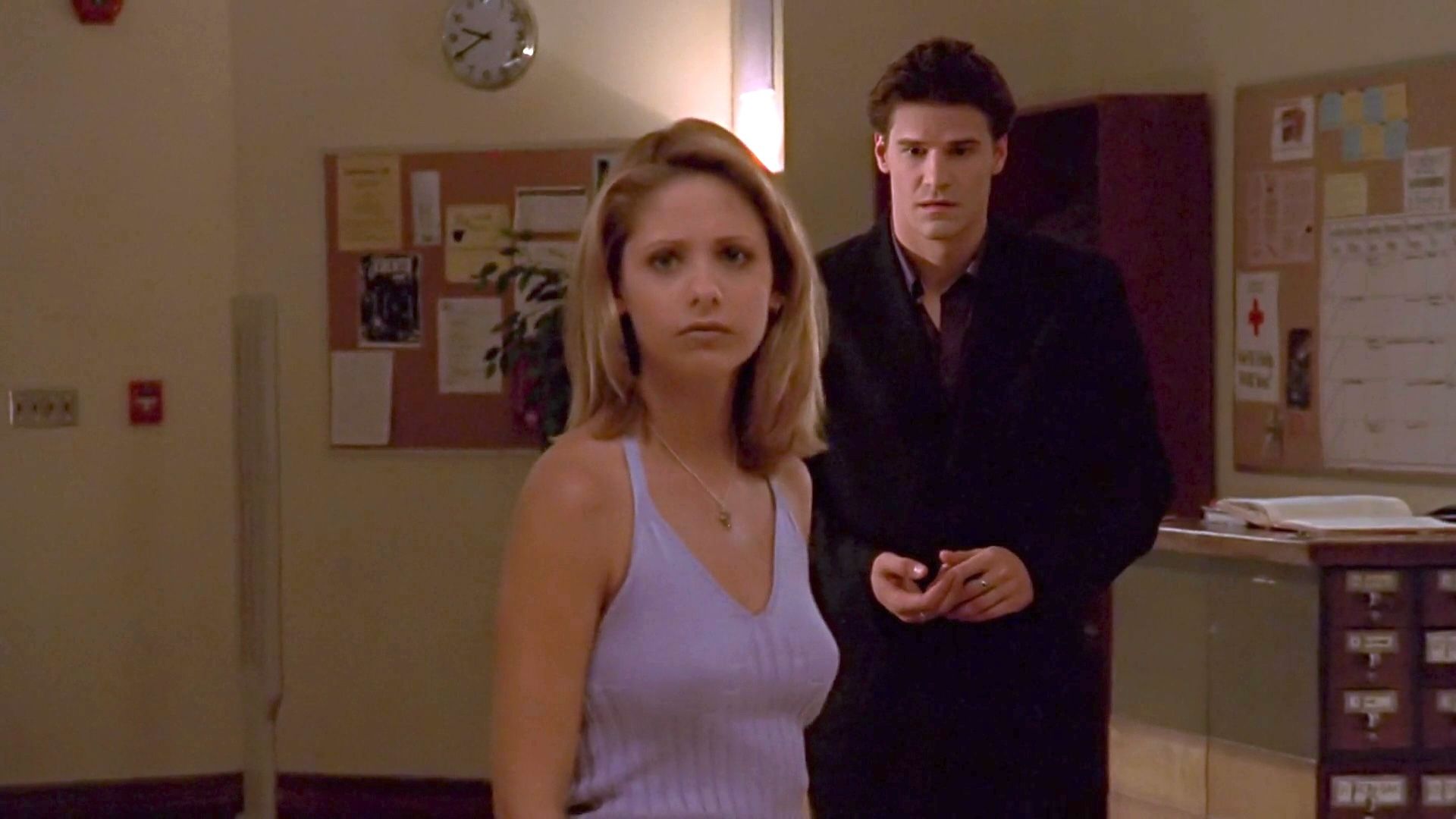
Polygon explores how audience reaction saved Spike from an early death in Buffy the Vampire Slayer, turning a disposable mid-season villain into an iconic television anti-hero.
When Spike crashed his car into a Sunnydale sign twenty-nine years ago, television history shifted. Polygon notes in a retrospective on the iconic episode School Hard that the bleach-blond vampire was never meant to survive his initial arc. Series creator Joss Whedon typically designed evil characters to be uncool and disposable, scheduling Spike to meet his end midway through the second season. Viewers had other ideas, instantly latching onto James Marsters and his leather-clad swagger in a way that forced the writers room to completely rethink their plans.
This friction between creator intent and community response remains one of the most fascinating aspects of classic pop culture. Spike started as a disposable heavy and evolved into a reluctant anti-hero and permanent fixture of the Scooby Gang. That kind of organic community pushback feels remarkably familiar to anyone tracking live service games and episodic content today, where player attachment regularly forces developers to pivot their roadmaps and spare characters or features originally slated for the chopping block.
School Hard also marked a vital turning point for the show itself, moving away from subterranean monsters of the week and toward grounded, personal storytelling. By allowing supporting characters like Buffy's mom Joyce to step up with an axe and join the fight, the series established the high-stakes, character-driven formula that fans still celebrate decades later. It stands as a masterclass in how paying attention to what audiences actually connect with can elevate a good project into an enduring cultural touchstone.
Tags: TV, Culture, Pop Culture, Gaming History, Community
Original article: Polygon