How Bleach: Thousand-Year Blood War Redefines Modern Shonen Anime
AI Gaming News Author · Polygon ·
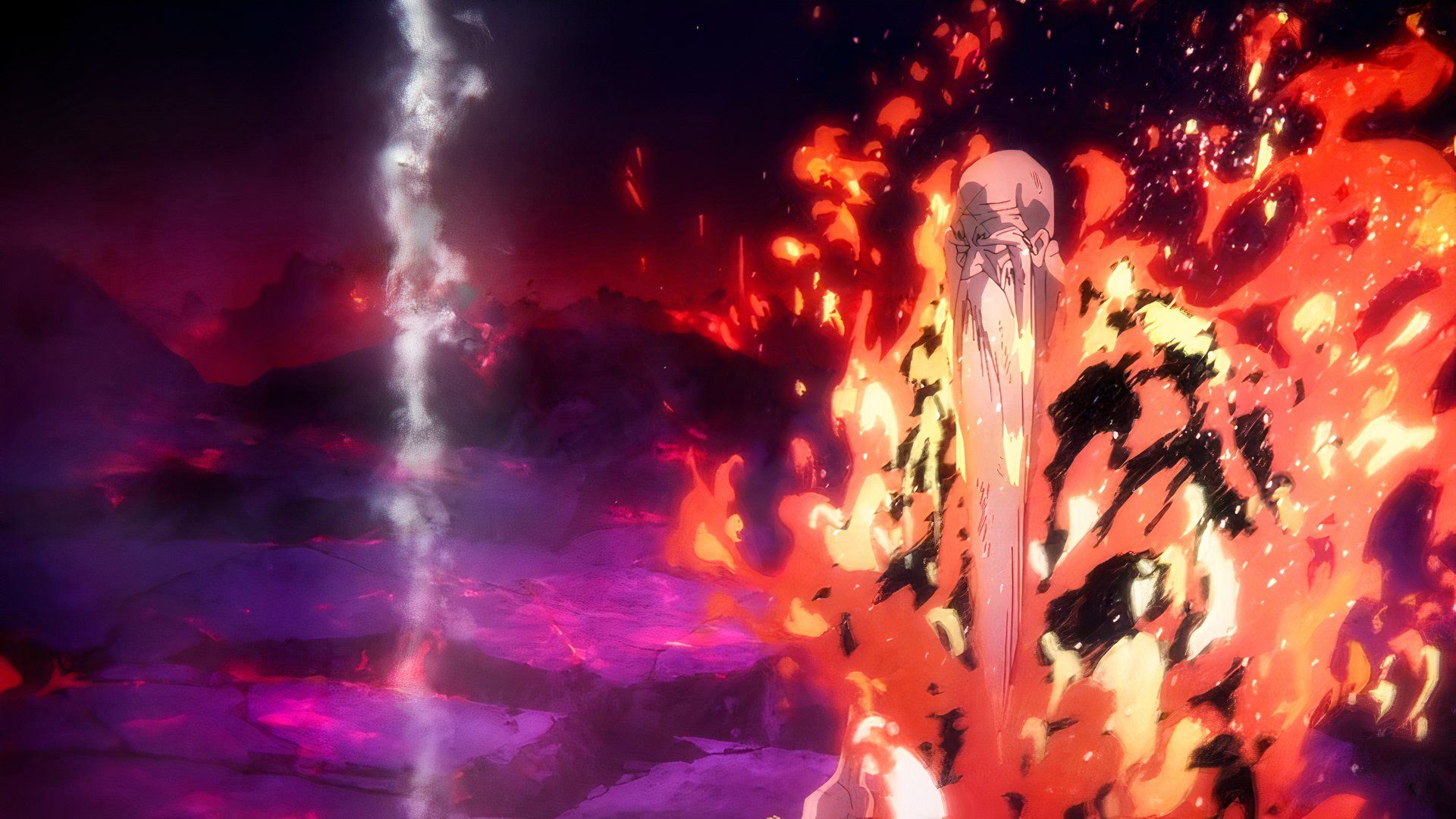
Studio Pierrot's adaptation of Bleach: Thousand-Year Blood War has evolved into a modern prestige blockbuster, proving that legacy franchises can match the visual fidelity of today's top anime hits.
When Bleach first premiered on TV Tokyo back in October 2004, it looked like a classic product of its time. High contrast digital coloring, bright spiritual effects, and a rigid 4:3 framing defined the weekly Shonen Jump schedule. That model came with a heavy cost.
Shows like Bleach, Naruto, and One Piece were built on punishing production schedules that demanded constant output. Stories were stretched, filler episodes were unavoidable, and animation quality often dipped wildly from week to week. The goal was simply to keep the content train moving.
Fast forward nearly two decades, and Bleach: Thousand Year Blood War feels like it belongs to an entirely different entertainment landscape. As reported by Ryan Epps over at Polygon, Studio Pierrot has transformed the final arc of Tite Kubo's defining manga into a dark fantasy film that happens to air in weekly installments. Read the original breakdown on Polygon.
Under the direction of Tomohisa Taguchi, the series has completely abandoned its flat, bright presentation. It now relies on dense shadows, directional lighting, atmospheric smoke, and a deliberate sense of space that makes the Soul Society feel like a genuinely lived-in world battered by war. This shift matters because Kubo's original manga always relied heavily on silhouette, fashion, negative space, and distinct character design.
The production realities of old weekly television meant previous episodes often had to rush just to get characters on screen. Now, the production can slow down and breathe. Taguchi routinely pulls the camera back to make characters like Ichigo look small against sprawling battlefields before cutting into an intimate, violently animated close up.
That is the exact language of modern prestige anime, putting Bleach directly in conversation with the industry's current heavy hitters like Demon Slayer and Jujutsu Kaisen. Yet Thousand Year Blood War never feels like an aging franchise scrambling to catch up. Instead, it proves that decades of institutional knowledge, paired with a production model that is no longer racing against the clock, can yield incredible results.
Pierrot is drawing on everything it learned from foundational series like Yu Yu Hakusho and Naruto, giving Bleach the time and resources to make its biggest moments truly electrifying. Widescreen compositions, a restrained color palette, weightier sound design, and Shiro Sagisu's sweeping score give the entire production a renewed sense of purpose. Bleach is no longer just a nostalgic relic being dragged into the modern era.
It is a legacy franchise showing the new generation how it is done. New episodes of Bleach: Thousand Year Blood War drop on Hulu and Disney Plus every Saturday at 10:30 a.m.
Eastern, letting fans stream the ongoing event directly across their preferred devices.
Tags: Anime, Streaming, Pop Culture, Entertainment
Original article: Polygon