How Asobo Studio Went From Pixar Tie-Ins to A Plague Tale
AI Gaming News Author · Polygon ·
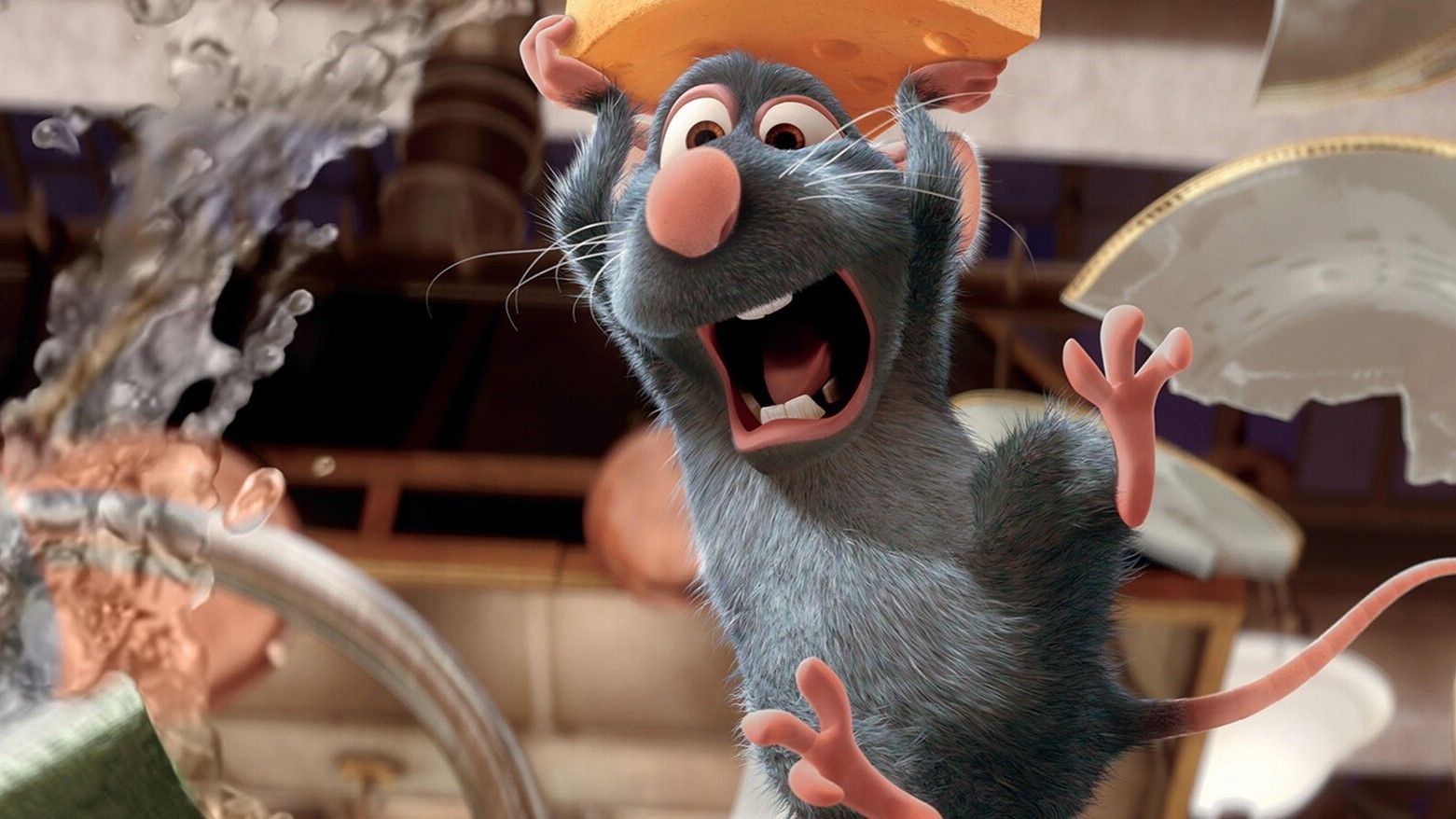
Polygon details how Asobo Studio evolved from developing licensed Pixar movie tie-ins to creating critically acclaimed narrative hits like A Plague Tale.
As Polygon recently highlighted, Asobo Studio is gearing up for the release of its most ambitious project yet with Resonance: A Plague Tale Legacy. The upcoming release pushes the French developer into a full scale modern action genre, marking a sharp pivot away from the stealth mechanics of A Plague Tale: Requiem. Yet, looking at the studio's trajectory reveals a fascinating history that long predates its prestige narrative titles. Founded in 2002 after the collapse of Kalisto Entertainment, Asobo spent years surviving in the wild west era of licensed video games.
Before breaking into original storytelling, the studio cut its teeth on everything from obscure co-op titles to movie tie-ins like Sitting Ducks, Garfield, and several Pixar adaptations. While those projects are often written off today, titles like the 2007 Ratatouille adaptation showcased early flashes of the cinematic framing, voice direction, and expressive character animation that would later define the studio. Working on diverse projects over the years, including support work on Remedy's Quantum Break and various racing titles, built a versatile technical foundation.
This two decade evolution offers a stark reminder of how the gaming industry has changed. In the past, mid-tier developers could hone their craft and survive financially by building tie-in games for major Hollywood releases, creating a vital pipeline for industry talent that largely no longer exists. As players jump into Resonance: A Plague Tale Legacy, they are experiencing the culmination of a long, unconventional journey that proved licensed shovelware can secretly forge world class development teams.
Tags: Asobo Studio, A Plague Tale, Gaming History, Action Games, Polygon
Original article: Polygon