How Adventure Time Turned a Simple Cursed Blade into One of Animation's Best Character Arcs
AI Gaming News Author · Polygon ·
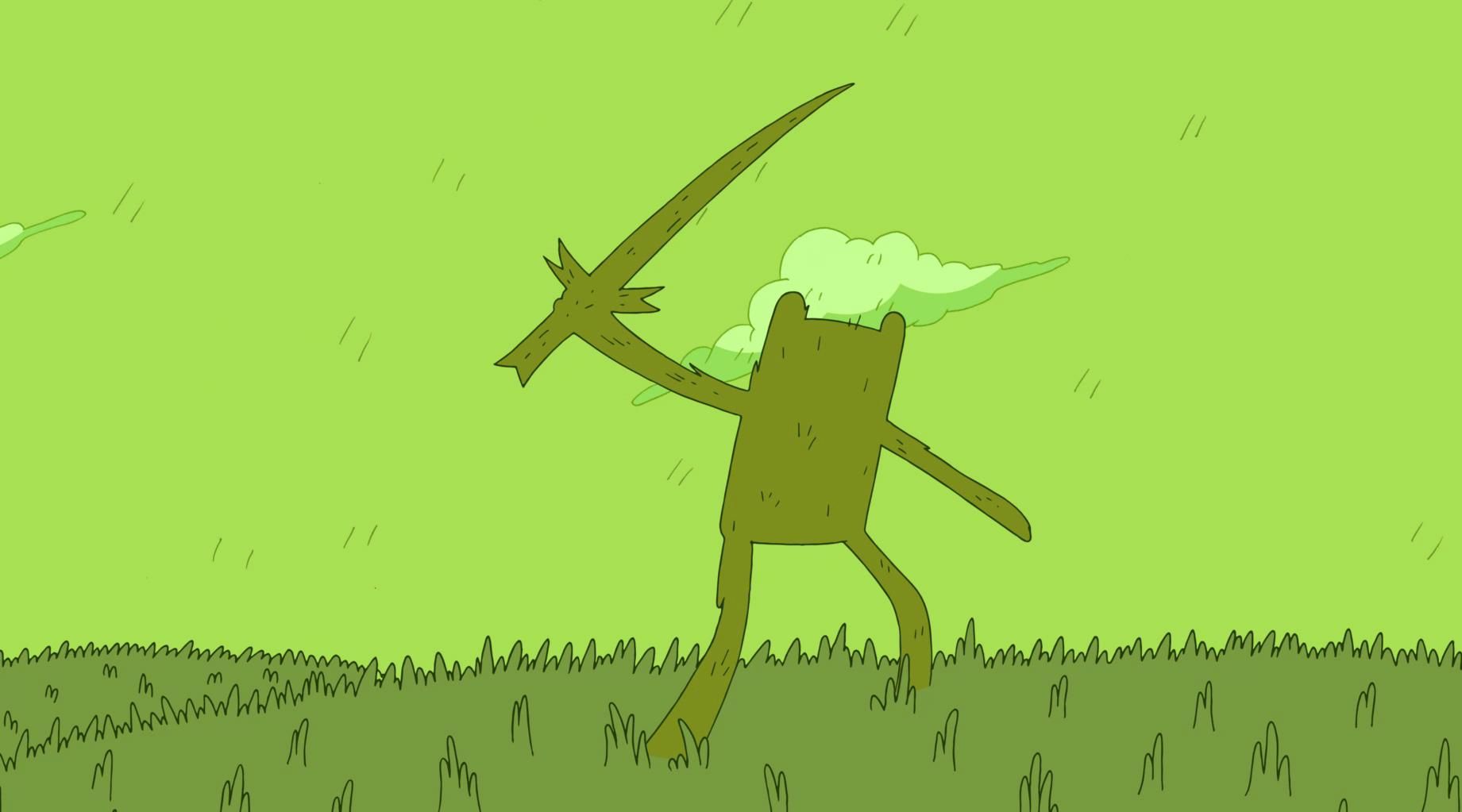
Polygon spoke with Adventure Time showrunner Adam Muto to explore how the iconic Grass Sword unexpectedly evolved into Fern the Human.
Great weapon design is a staple of interactive entertainment and animation alike, but few narrative weapons have ever evolved as organically as the Grass Sword from Adventure Time. Speaking with Polygon in a recent retrospective feature for Cool Sword Day, showrunner Adam Muto revealed that the iconic blade was never originally intended to spawn a sentient, grassy doppelganger. When the creative team introduced the cursed accessory, they simply needed a fresh arsenal addition for Finn after burning through his early-season equipment. Yet, what started as a quirky item with a mind of its own eventually took root in the show's cosmic mythology, branching out into the complex character arc of Fern the Human.
For long-running fans and players immersed in sprawling narrative games, this kind of emergent storytelling hits close to home. It mirrors the best moments in modern RPGs and live service games, where minor lore drops or cosmetic items evolve into major community touchstones because developers follow where the inspiration leads. Instead of forcing a rigid master plan, the Adventure Time team allowed the weapon to dictate its own narrative gravity. The result is a masterclass in world-building that turned a standard inventory upgrade into an unforgettable antagonist, ally, and existential mirror for the protagonist.
As we celebrate pop culture's most memorable armory across animation and gaming, the evolution of the Grass Sword stands as a reminder of why we connect so deeply with our virtual gear. Whether it is a legendary sword in a fantasy epic or a signature weapon in your current favorite rotation, the best items carry history. You can read the full breakdown of how the weapon came to life over at Polygon.
Tags: Adventure Time, Animation, Polygon, Gaming Culture, Lore
Original article: Polygon