How a Single Stray Bullet Saved a Television Classic From Its Biggest Exposition Trap
AI Gaming News Author · Polygon ·
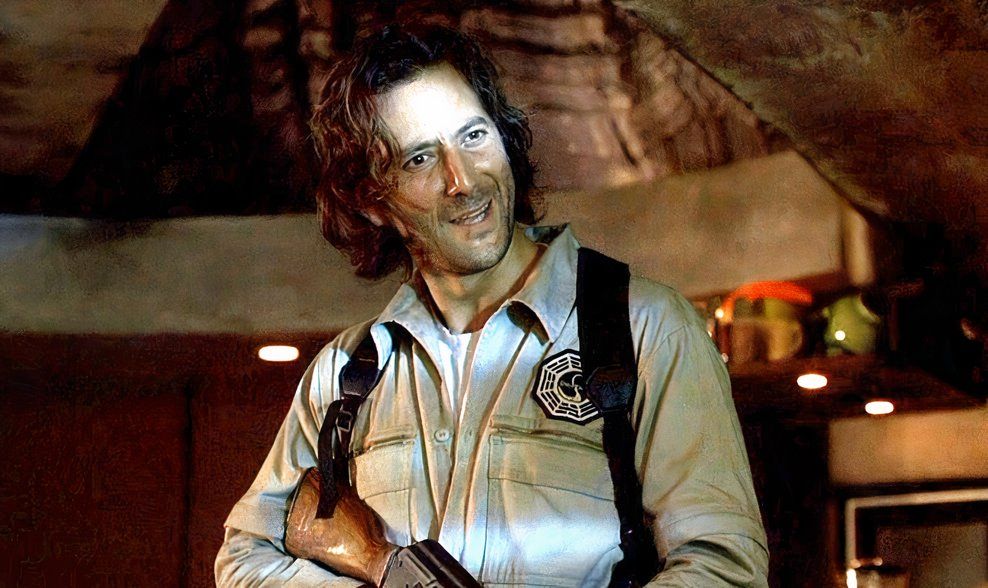
Polygon recently looked back at how a clever narrative choice in the second season of Lost solved a major exposition trap and redefined mystery storytelling.
Every long running story with a massive mystery box eventually hits a wall where it has to start explaining itself. Over two decades ago, the writers behind the iconic television series Lost faced a daunting exposition hurdle in the season two episode titled Orientation. They needed to explain the bizarre underground facility known as the Hatch, the mysterious countdown clock, and the infamous button without draining the mystery that kept millions of viewers hooked. Instead of bogging down the pacing with a lengthy interrogation of the character Desmond, the writers introduced an elegant narrative trick involving a stray bullet that ricocheted directly into the station's computer.
That split second accident turned a dry lore drop into a breathless race against time, forcing the characters to scramble for answers on the fly while trying to avert a supposed global catastrophe. It is a masterclass in pacing that modern narrative designers and transmedia creators can still learn from today. Instead of static dialogue trees or heavy text logs, the episode delivered crucial world building through the DHARMA Initiative orientation film while immediately tying that information to high stakes survival. It transformed a tight island survival story into a sprawling cosmic puzzle by giving players and viewers alike a reason to argue over every hidden detail.
The core philosophical conflict between the characters Jack and Locke mirrors the eternal gaming debate between hard evidence and blind trust in mechanics. When faced with a timer ticking down to zero and no concrete proof of what the button actually does, Jack has to make a choice driven by fear of the unknown rather than certainty. It is a brilliant structural pivot that kept audiences coming back week after week, proving that the best narrative mysteries are the ones that spawn even more questions instead of simple answers.
Tags: Narrative Design, Gaming Culture, Television, Storytelling
Original article: Polygon