How a Forgotten Robin Williams Thriller Shaped the Cinematic Backrooms
AI Gaming News Author · Polygon ·
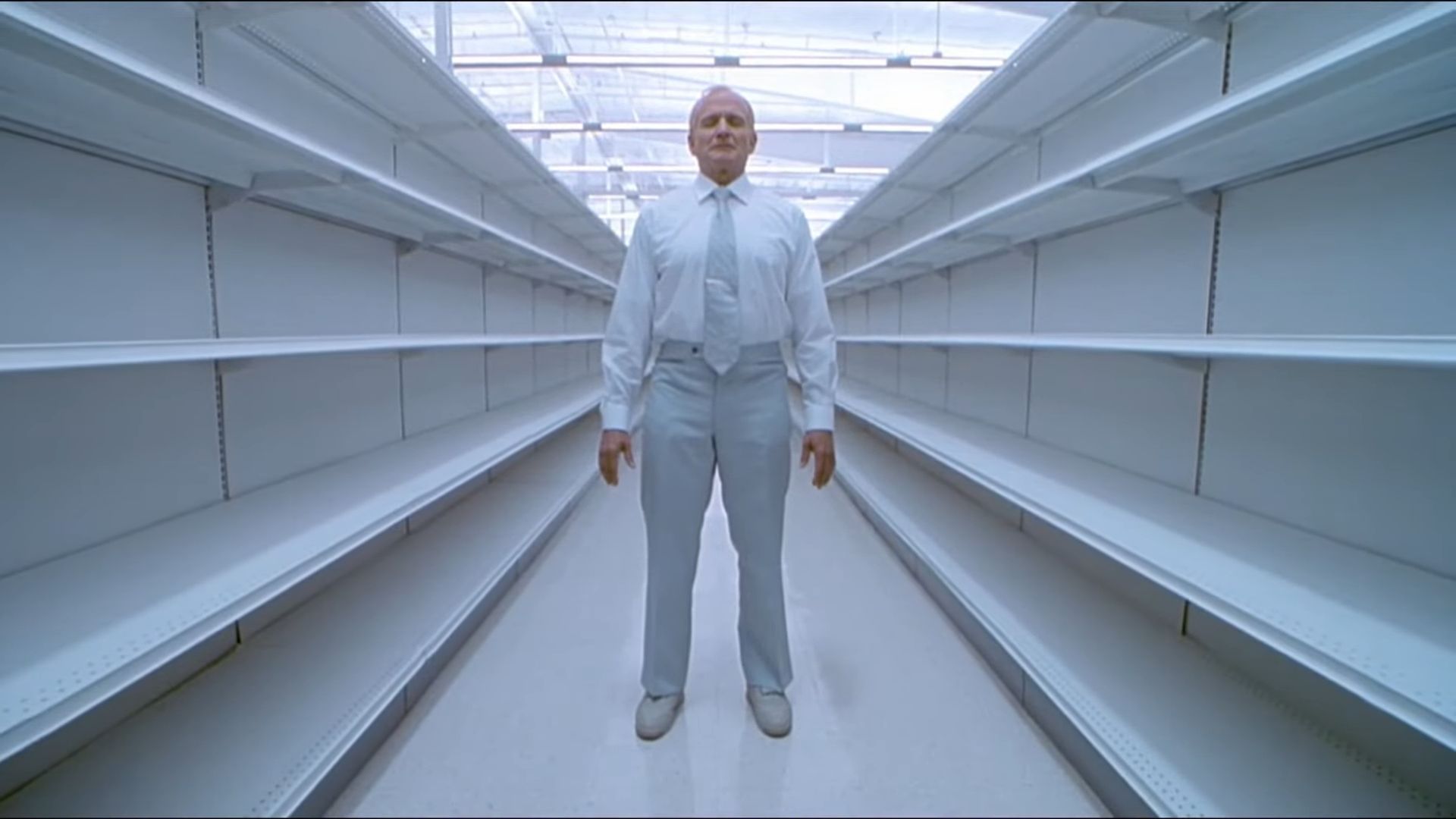
Director Kane Parsons reveals that the cinematic adaptation of the Backrooms drew heavy inspiration from Robin Williams' 2002 psychological thriller One Hour Photo, channeling its themes of modern isolation and clinical aesthetic into the record-breaking horror hit.
The modern horror landscape is shifting in fascinating ways. As original horror projects continue to dominate the box office, the cinematic adaptation of the internet-born Backrooms phenomenon has officially arrived with a record-breaking opening weekend. While the film is rooted in the beloved user-generated creepypasta that captivated online communities for over a decade, director Kane Parsons revealed a surprising cinematic influence that helped shape the project. In interviews with Letterboxd and Variety, Parsons pointed to the 2002 psychological thriller One Hour Photo, starring Robin Williams in a chilling against-type role, as a foundational touchstone for the movie's atmosphere and visual identity.
For those who only know Williams from his legendary comedic and dramatic outings, One Hour Photo offered something entirely different, casting him as a meticulous, isolated photo technician whose obsession with a customer spirals into psychological dread. Parsons noted that the film speaks directly to the language of the Backrooms. It focuses on an individual trapped in modern isolation, pouring their existence into a routine until a threshold is crossed. That sense of clinical, sterile loneliness heavily informed the portrayal of the film's protagonist, a furniture store owner whose work has consumed his personal life before he stumbles through an invisible doorway into the endless, fluorescent-lit labyrinth.
Beyond the thematic parallels, the visual vocabulary of One Hour Photo left a distinct mark on the Backrooms aesthetic. The 2002 film relies on hyper-clean, brightly lit, and meticulously framed cinematography from Jeff Cronenweth, creating a hyper-real exterior world that contrasts sharply with the uncanny emptiness awaiting the protagonist inside the anomalous maze. By grounding a surreal internet myth in the tactile, quiet dread of early noughties psychological horror, the adaptation bridges digital culture and traditional filmmaking in a way that respects the source material while building something entirely new for modern audiences. You can read the original reporting over at Polygon.
Original reporting by Brian VanHooker at Polygon
Tags: Backrooms, Movies, Horror, Streaming, Culture
Original article: Polygon