How a Cancelled Middle-earth Project Gave Us Cinema's Greatest Arthurian Epic
AI Gaming News Author · Polygon ·
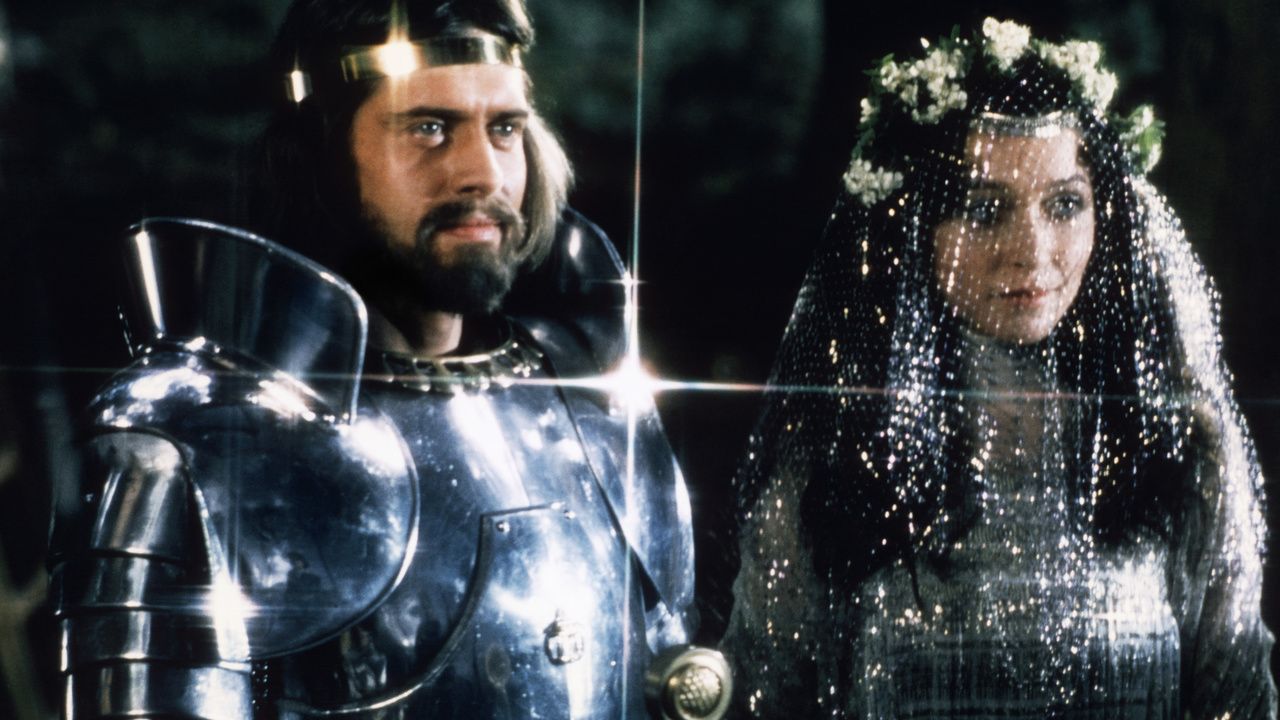
Polygon's retrospective on John Boorman's 1981 film Excalibur reveals how the Arthurian classic was built from the ashes of a cancelled Lord of the Rings adaptation.
Forty-five years after its theatrical run, John Boorman's 1981 epic Excalibur remains a defining milestone for fantasy on screen. Writing for Polygon, Francesco Cacciatore explores how the film rejects traditional cinematic pacing in favor of presenting raw, unadulterated myth. Instead of offering a neat, modern narrative arc, Boorman designed the film to mirror the disjointed, larger-than-life structure of ancient legends, drawing heavily on Thomas Malory's Le Morte d'Arthur and comparative mythology to create a viewing experience that feels closer to a stage play than a standard Hollywood blockbuster.
What many fantasy fans miss is the fascinating behind-the-scenes history connecting this Arthurian classic to modern world-building. Before tackling King Arthur, Boorman and co-writer Rospo Pallenberg spent months developing a massive feature film adaptation of J.R.R. Tolkien's The Lord of the Rings for United Artists. When that ambitious pitch collapsed under its own projected budget, the duo did not let their world-building go to waste. They redirected much of that early Middle-earth concept art, visual tone, and primal atmosphere into their upcoming Merlin and Arthur project.
For contemporary gamers and fantasy enthusiasts raised on massive open-world RPGs and expansive cross-media lore, Excalibur offers a compelling look at how foundational fantasy aesthetics actually evolved. Boorman wanted to evoke a primal clarity where landscapes and human drama intertwine, an ethos that directly influenced how modern studios build immersive digital worlds today. You can read the original deep dive over at Polygon to fully appreciate how a failed Tolkien adaptation accidentally birthed a cinematic masterpiece.
Tags: Excalibur, Lord of the Rings, Polygon, Fantasy Cinema, Gaming History
Original article: Polygon